

























































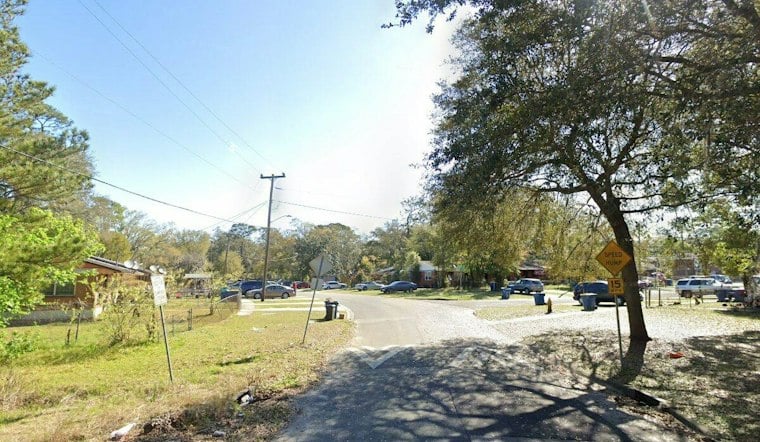
The Ribault River rose to the level of homes along Jacksonville's Ken Knight Drive on Friday, creeping toward the boat ramp at Charles Reese Park as floodwater seeped into yards and driveways. Forecasters warned conditions could deteriorate further, reviving fears in a neighborhood that has flooded repeatedly during storms including Hurricane Irma, Hurricane Nicole and Tropical Storm Debby.
According to News4JAX, resident Latasha Howard said persistent rain has caused roof leaks at her home and that she worries cracks in her house could let water inside. “I've been very nervous,” Howard said, describing days of rain that just kept coming down. The rising river arrived as a Flood Watch and Coastal Flood Advisory covered Duval County, with a persistent storm system dropping 1 to 3 inches of additional rain onto already saturated soil, according to Hoodline.
City Council member Ju'Coby Pittman, who represents the Ken Knight Drive area, urged residents to follow emergency management advisories, protect important documents and prepare to relocate temporarily if evacuation becomes necessary, per the same News4JAX report. Her warning echoes a pattern residents have lived through before: during Hurricane Irma in September 2017, rising floodwaters trapped people in their homes, and neighbor Alton Gordon used his personal boat to rescue 17 people, Jacksonville Today reported. More recently, floodwaters from the overflowing Ribault River breached homes up to 1.5 feet deep during Hurricane Nicole in November 2022, temporarily displacing multiple families, according to News4JAX's earlier coverage.
Why the River Keeps Coming Back
The flooding is not a fluke of geography so much as a predictable hydrological trap. The Ribault River is a tidally influenced tributary of the Trout River within the 94-square-mile Trout River basin, and its low-lying shoreline becomes highly susceptible to backwater flooding when high tides block rainwater from draining into the St. Johns River, according to a St. Johns River Water Management District technical report. That combination of low elevation and tidal surge creates a bottleneck during prolonged rainfall, the kind the region has seen in consecutive days of heavy downpours.
City officials have also concluded that a structural fix isn't realistic. Jacksonville Chief Resilience Officer Anne Coglianese said in January 2025 that building a sea wall or shoreline barrier along Ken Knight Drive is legally and technically unfeasible, since the city does not own the riverfront shoreline and a wall would simply redirect floodwater onto neighboring properties, First Coast News reported. Elevating the existing homes isn't much of an option either: city legislative fact sheets cited by the Free Press of Jacksonville found that homes along the street, many built in the 1960s or earlier, would need to be raised at least 10 feet to meet modern flood codes, and their age and condition make that impractical.
Buyouts as a Long-Term Response
Voluntary buyouts are one of the city's long-term responses to flooding along Ken Knight Drive. Jacksonville has pursued a buyout effort in the neighborhood.
The effort affects people living along Ken Knight Drive as the city works to address recurring floods. Residents remain exposed to flooding during major storms.
Not all past efforts have focused on relocation. The city has also pursued other responses to flooding, even as the underlying risk remains unresolved.





