

























































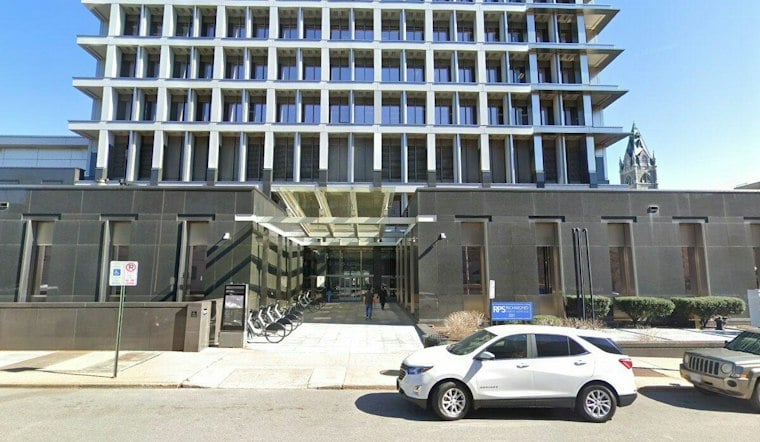
Richmond City Council voted 7-2 Tuesday to overhaul the city's 2015 financial transparency law, clearing the way for the city to resume publishing its monthly payment register after a seven-year gap. The register, which tracks taxpayer-funded spending, stopped appearing regularly in 2019, and the revised version will leave out some of the detail that used to make it useful to watchdogs.
A Transparency Law Gets a Makeover
According to richmonder.org, officials had stopped publishing the so-called payment register in 2019, and the Council's vote Tuesday revises that original law rather than scrapping it outright. The new ordinance must be implemented within 90 days of the vote, and once running, the city is expected to publish new monthly payment data no later than 60 days after the close of each month. As Axios reports, Richmond is bringing back its monthly public spending data tracker after the tool sat inactive for seven years, and the revived version is expected to provide payee names, payment amounts and payment dates.
Mayor Danny Avula's administration pitched the scaled-back approach in April as a way to make publication more manageable and restore consistent public access, per Axios. The city has cited staffing demands and concerns about sensitive information and legal risk as reasons it stopped regular publication in the first place, and the register's process historically required a highly manual extraction and data-inspection process, the same richmonder.org report notes.
What Gets Left Out
The revised register will clearly exclude payments to individual people like tax refunds or social services assistance, while still covering vendor payments and employee reimbursements, richmonder.org reports. It will also exclude any payment that would disclose personally identifiable information protected by law, and it won't include any information about money spent to settle lawsuits or legal claims against City Hall. Perhaps most notably for anyone trying to scrutinize city purchases, the payment register will no longer include an “invoice description” field — though it will still include funding codes and cost center descriptions that offer some indication of what was bought.
Richmond had released a fiscal 2025 payment registry in March, breaking a years-long silence, but Councilmember Kenya Gibson criticized that version as incomplete because it lacked payee information, according to wric.com. Avula said at the time that going forward, registries will contain payee identities, but there will also be safeguards in place to protect sensitive information, per the same report. That March release reportedly required manual redactions on 1.2% of fiscal 2025 spending records, according to Axios, which also reported that preparing the nearly 232,000 rows required roughly 1,000 staff hours.
Dissent on the Council
Gibson, who voted against the ordinance, warned the changes would create loopholes in public disclosure, Axios reports. The Council also rejected a proposal from Gibson to investigate why the city stopped publishing the records in the first place, per the same report. Councilmember Sara Abubaker raised a related concern earlier in the process, telling wric.com that if the city is paying certain vendors a disproportionate amount of money, residents deserve to know who those vendors are and what their ties to the city might be.
Public spending data can help residents and watchdogs uncover waste and questionable spending, according to Axios, and the publication's reporting notes that the tracker changes could make that kind of scrutiny harder. The city's own announcement frames the effort as an attempt to improve delivery of payment-registry data required under City Code §12-16, per rva.gov.
A Pattern of Delayed Disclosure
The city's public database tracking government expenditures had not been updated since 2019, richmond.com reported, and before the March release, Richmond hadn't released a granular payment registry in several years, per wric.com. City officials have separately described technical and staffing issues as making routine publication of the register too burdensome, according to richmonder.org's reporting on the matter. Richmond's fiscal year 2025 payment register, covering July 2024 through June 2025, contained 231,933 rows of payment data, the city said in its own release announcing that disclosure.




