

























































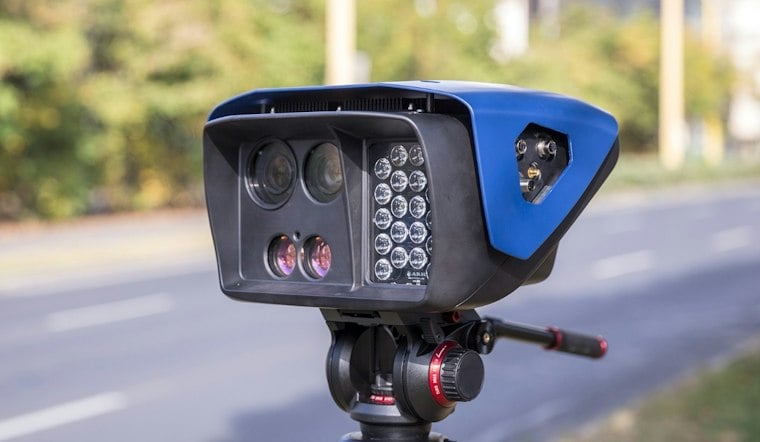
Richmond will not renew its contract with Flock Safety, Mayor Danny Avula announced Saturday, putting an expiration date on the city's network of 99 automatic license plate readers once the current agreement runs out in June 2027. Avula said the decision came together in part because neighboring Henrico County had just cut its own ties with the company over privacy concerns, a move that he said makes the cameras far less useful to Richmond going forward.
According to wric.com, Avula said the decision was made in part because of Henrico County's choice to cut ties with Flock earlier this week after citing privacy concerns. Flock, the company behind the cameras, specializes in manufacturing and operating surveillance technology, most notably its automatic license plate recognition systems, per the same outlet. Richmond's contract with the company runs until June 30, 2027, according to vpm.org.
Regional Network Loses Its Edge
Avula framed the decision around a simple problem: license plate readers are only as useful as the network they're part of. Per vpm.org, the mayor said part of what makes the technology a useful crime-solving tool is the city's ability to work together with regional partners — a capability that erodes once a neighboring jurisdiction like Henrico steps away. The Virginian-Pilot reported that Avula described Flock as having become less useful as a tool once that regional link was broken.
Henrico County announced Tuesday that it was terminating its contract with Flock Safety, according to the same vpm.org report. The county had used the cameras since November 2022, installing more than 120 of them and spending roughly $1 million on the company's services, and its early exit will not carry a financial penalty. Richmond's own reevaluation didn't start with Henrico's move, though — Avula first signaled on September 19 that the city would be reexamining its relationship with Flock due to growing concerns, per wric.com.
Data Retention Already Cut in Half
Richmond had already begun scaling back its use of the cameras before Saturday's announcement. As reported by wtvr.com, Avula directed the Richmond Police Department to cut its data retention policy from 21 days to seven days, effective immediately. Richmond Police Chief Rick Edwards described the shorter window as an additional safeguard that still preserves the department's ability to use the technology to help solve serious crimes, locate missing and endangered people, and protect the community, according to the same report.
The city also plans to gather resident feedback and review its oversight and transparency policies, including whether an independent third party should examine current procedures, wtvr.com reported. Avula said his team is working on engagement sessions to collect additional public input and discuss other concerns tied to the cameras, according to wric.com.
Other Virginia Localities Pulling Back
Richmond and Henrico are not alone in reconsidering Flock. Goochland and Prince Edward counties both suspended their use of the cameras within the two months before Saturday's announcement, per wric.com. Arlington County's board separately directed its county manager to discontinue the use of county-leased Flock technology, according to Arlington County Government.
The pullback comes as Virginia lawmakers push for more transparency around the data these systems collect. Some legislators would like to see the General Assembly allow for greater transparency when it convenes in January, according to WVTF. Virginia law already defines what counts as an audit trail for these systems — records of every query, response, and instance of data being accessed, entered, updated, shared, or disseminated, including the time of access, the purpose, any related case number, and the username involved, under Virginia Law.
Legislature Expected to Take Up the Issue
Richmond's decision lands just months before state lawmakers are expected to weigh in directly on the technology. The General Assembly will also be taking up issues of automatic license plate reader technology during its upcoming session, according to wric.com. Some legislators plan to propose legislation during the 2027 session that could ban the readers outright, add stronger guardrails, or impose penalties for misuse, vpm.org reported.
For now, Richmond's 99 cameras remain in operation under the shortened retention window as the city heads toward the 2027 contract expiration. As originally reported by The Virginian-Pilot, the debate over the cameras' future is now intertwined with the same privacy and transparency questions driving decisions in Henrico, Arlington, and other Virginia localities.





