

























































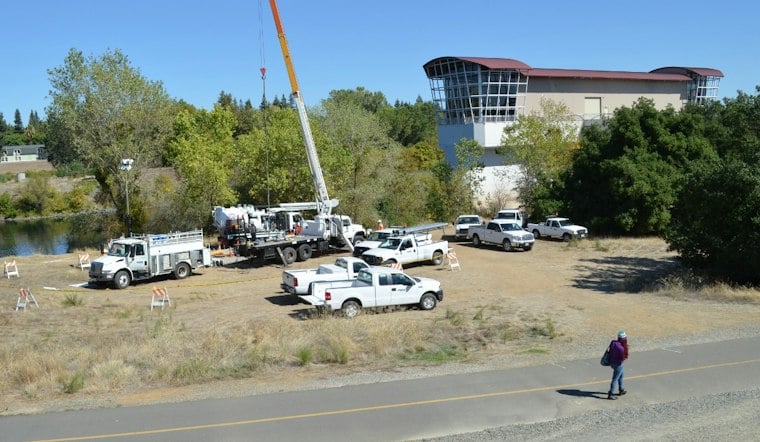
Rio Linda-Elverta Community Water District board members considered a nearly $2 million purchase of chromium treatment equipment Monday, even as residents stood up at the meeting to ask where their rising water bills were actually going. One resident, Stephanie Suela, said her bill was $419 for the first time during the latest billing period, and she wasn't alone — other attendees reported increases of another $50 to $100.
Suela described herself as a money watcher and said she'd also heard complaints from neighbors that their tap water smelled like chlorine, according to CBS Sacramento. She asked board members directly where the money was going, a question echoed by other meeting attendees who said they weren't sure how increased water-rate revenue was being spent. The frustration landed on the same night the board also held a closed-session meeting with labor negotiators to discuss a proposed employee rate hike and remote-work benefits, ultimately approving a labor-negotiation measure for revisions.
Nearly $2 Million Pegged for Chromium Treatment
The spending fight centers on hexavalent chromium, a cancer-causing contaminant that the state has moved to regulate more tightly. The district's board was scheduled to consider the nearly $2 million purchase of treatment equipment for Wells 2A and 10 at Monday's meeting, according to riolindaonline.com. Vendor Rollup Regeneration Alliance put the capital cost at $980,000 per system, bringing the total proposed purchase to $1.96 million, the outlet reported.
District staff have said buying the equipment in advance could shave three to four months off the construction timeline, though the report notes the district doesn't expect to award the actual construction contract until February 2027. The board was also weighing a separate $33,000 agreement with Wood Rodgers for a shallow-well feasibility study at the existing Well 15 property, per the same outlet's reporting.
Fee Studies and Recruitment Costs Add to the Tally
Beyond the chromium equipment, directors were slated to consider two $12,020 proposals from RDN — one examining the district's water-capacity fee and the other addressing accessory-dwelling-unit fees, a combined $24,040 in study costs. No capacity or accessory-dwelling-unit fee change was being adopted at Monday's meeting itself, riolindaonline.com reported.
Former board member Mary Garrison told CBS Sacramento that three board members had not voted on chromium or well repairs, and argued that board members prioritized the union and employees over water-system work. Garrison said state mandates required chromium remediation and well repairs. Resident Mary Nelson said fixing chromium should take priority over employee raises and said she wanted water-related funds directed to the right place, according to the station's report. Residents broadly said they wanted cleaner and safer water to be the district's top priority.
What the District's Own Water Testing Shows
The district's 2026 Consumer Confidence Report, built from water-quality data collected in 2025, lists hexavalent chromium at an average of 10.6 parts per billion across reported samples, with individual results ranging from 4.2 to 18 parts per billion, according to a separate riolindaonline.com report. That range sits above and below the state's new health standard: the California State Water Resources Control Board voted in January to adopt a maximum contaminant level of 10 parts per billion for hexavalent chromium, according to the agency's own announcement.
The district is designing treatment systems for three well sites and expects them to be operating before an October 1, 2027 compliance deadline, per riolindaonline.com's reporting. Separately, public commenters at an earlier district meeting pressed for clearer information about how treatment costs would affect customer bills and asked for a workshop, according to Citizen Portal.
For now, the central tension remains unresolved in public view: ratepayers describing climbing bills and unanswered questions about where their money lands, set against a district facing a hard state deadline to treat a contaminant found in its own wells.





