

























































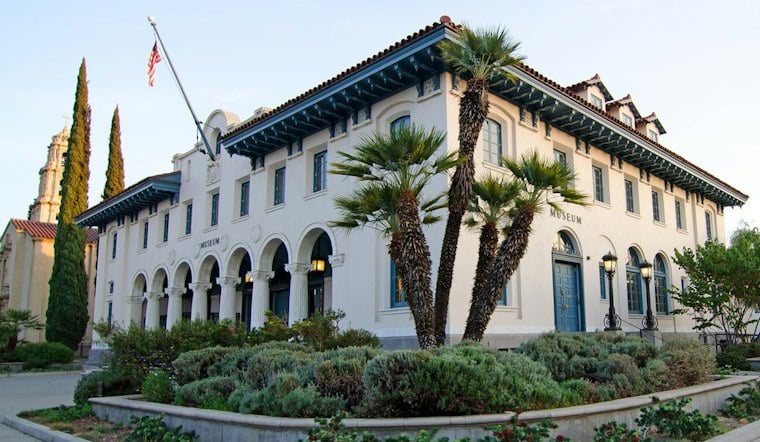
The Museum of Riverside is unveiling a new exhibit this Friday that puts visitors face to face with a creature that has not roamed California's hills in a century: the state's own grizzly bear. “California's Grizzlies” opens October 30 at the Orange Terrace Community Center, examining what the bear ate, how big it actually got, and why it disappeared entirely from the state that still puts its image on the flag.
According to raincrossgazette.com, the museum describes the exhibit as a chance to encounter “some of the historic photos and objects that tell us about our iconic state animal, an animal that actually no longer exists in California.” The show is housed at the Orange Terrace Community Center, 20010 Orange Terrace Parkway in Riverside, and uses maps and historic illustrations to trace what the museum calls the “complicated human-grizzly relationship” throughout California's history. Visitors will also get, per the same source, “an opportunity to stand toe-to-toe with a life-sized silhouette of a grizzly bear.”
A Bear That Vanished From Its Own Flag
The grizzly remains California's official state animal and still appears on the state flag, even though the species has been gone from the wild for generations, according to KVPR. The last wild California grizzly was seen in 1924, per Science/AAAS, which reported that a research team compiled 330 documented grizzly observations spanning from 1602 to 1924. Before the Gold Rush, biologists estimate California was home to as many as 10,000 of the bears, KVPR notes, a population wiped out through what the Natural History Museums of Los Angeles County describes as decades of persecution and hunting bounties. Today, fewer than 100 historical grizzly skins and skeletons are known to still exist, the same museum reports.
Rethinking the Grizzly's Size and Diet
Part of what makes the exhibit timely is a body of newer research complicating old assumptions about just how fearsome California's grizzlies really were. Scientists who measured the teeth, skulls and femurs of 57 preserved California grizzlies estimated the bears weighed up to 252 kilograms, according to Science/AAAS — considerably less than some historical claims. KVPR, drawing on a different account, describes the bears as giants weighing up to 1,000 pounds and capable of running 35 miles an hour in short bursts; the two figures reflect a genuine dispute in the historical and scientific record rather than a settled number.
The same Science/AAAS research found the bears' eating habits shifted dramatically after contact with Spanish settlers. Before 1542, almost 90 percent of a California grizzly's diet consisted of plants. After Spanish settlement, meat consumption more than doubled, rising from 10 percent to 26 percent of the diet — though the bears, the outlet reports, remained mostly herbivorous even then. A 2024 study published by the Royal Society Publishing combined museum specimens with archival records to reconstruct the social and ecological factors behind the species' extinction.
Should the Grizzly Come Back?
The exhibit arrives amid a long-running, unresolved debate over whether grizzlies should ever return to California. Some scientists first proposed reintroducing the species to the state's wildlands back in 2014, Science/AAAS reports, and researchers have continued revisiting the idea. KVPR describes it plainly: some advocate for bringing the grizzly back by reintroducing bears from populations in other states, but the proposal remains controversial, with no resolution in sight.
For now, the closest most Californians will get to the animal is the Museum of Riverside's exhibit, which the raincrossgazette.com report notes will remain on view well into 2027 alongside the museum's other current highlight exhibitions. “California's Grizzlies” opens this Friday at the Orange Terrace Community Center, offering a rare, close look at a bear that still defines the state's identity even though it hasn't walked its hills in a hundred years.




