

























































Rockville could soon become the 12th city in Maryland to let 16-year-olds cast ballots in local elections, under a charter amendment the Mayor and Council will take up at public hearings next month. The proposal would lower the municipal voting age to 16 and arrives bundled with two other changes to the city's elections code: a four-term limit for council members and a minimum age of 18 to hold office.
Hearings Set for Early November
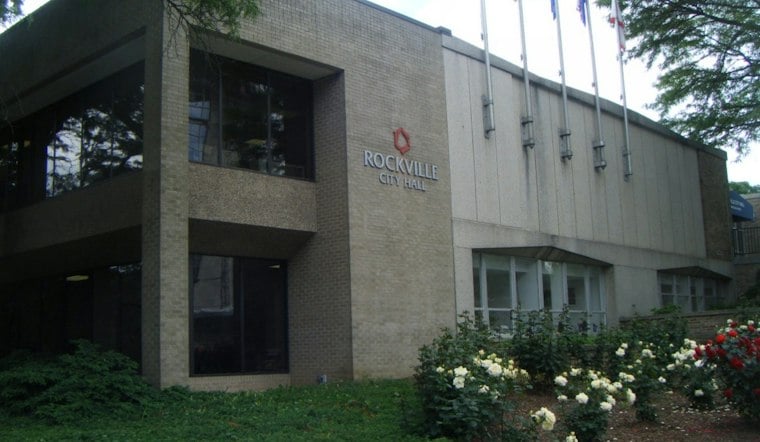
As reported by the Baltimore Sun, the Rockville City Council and Mayor must formally approve the voting-age change before it takes effect, with a vote expected in November 2026. The city has scheduled four public hearings at City Hall on Nov. 2 and Nov. 9 to gather resident feedback on the proposed charter amendments, according to the City of Rockville. Those same notices lay out the legal basis for the move: under Article XI-E of the Maryland Constitution and Title 4 of the state Local Government Article, Maryland cities hold home-rule authority to lower municipal voting ages through council-passed charter amendments, without needing a statewide or county referendum.
The push toward 16-year-old voting rights isn't a sudden idea from current council members. It traces back to a unanimous January 2023 recommendation from Rockville's own Charter Review Commission, which argued that 16- and 17-year-olds are directly affected by municipal decisions on policing, local debt, environmental planning, and public school resources, per DCist. That same commission report notes Rockville's track record of voting innovation — the city became the first in its region to adopt all-mail-in ballot elections back in 2019.
Following a Regional Pattern
Rockville would hardly be breaking new ground among Maryland municipalities. Takoma Park became the first city in the entire country to lower its voting age to 16 for local elections back in May 2013, after city leaders passed a charter amendment, according to FairVote's archived reform library. Hyattsville followed in 2015, and College Park passed its own resolution allowing county-registered 16-year-olds to vote in city contests in 2025, per the City of College Park, Maryland.
Supporters of the change often point to Takoma Park's own results as evidence the policy works. In Takoma Park's 2013 municipal election, registered 16- and 17-year-old voters turned out at a rate nearly quadruple the city's overall average. Civic advocates argue voting habits are established most effectively while teens are still in school.
A Broader Statewide Conversation
Rockville's proposal also fits into a wider state conversation about youth civic participation. In 2024, Delegate Joe Vogel introduced House Bill 373, the Your School, Your Voice Act, in the Maryland General Assembly, which would have authorized counties to pass local laws letting 16- and 17-year-olds vote in school board elections, according to bill records from the Maryland General Assembly. Proponents of that measure argued high school students deserve a voice in decisions made by the boards that govern their schools.
Public opinion on the underlying question has been studied directly in Maryland. A September 2022 poll conducted by Braun Research for the University of Maryland and the Washington Post surveyed 810 registered Maryland voters on lowering the voting age to 16 for local and state elections, with a margin of error of plus or minus 4 percentage points, according to a report hosted by Vote16USA. The University of Maryland's Center for Democracy and Civic Engagement has also run its Vote16 Research Network since August 2021, tracking turnout metrics and civic impact data across U.S. cities that have already enfranchised 16-year-olds.
For now, the question in Rockville remains open. The Mayor and Council have scheduled the hearings to collect public input before any formal vote, and residents will have two opportunities in early November to weigh in before the city decides whether to join its neighbors in lowering the bar to the ballot box.





