

























































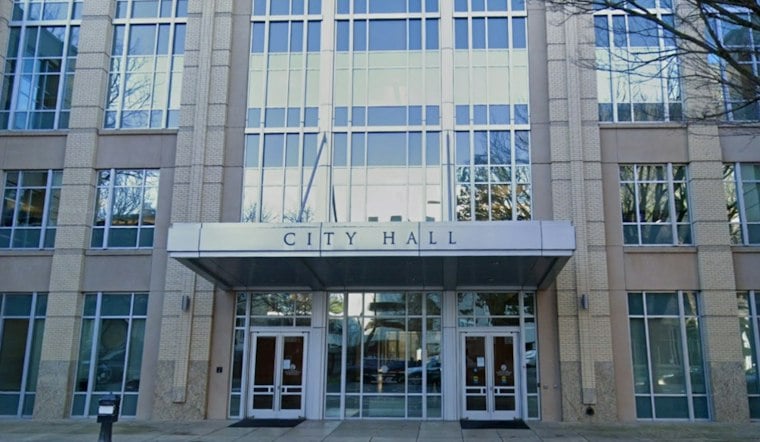
A Sacramento councilmember wants the city to get serious about illegal e-bikes, e-motos and e-scooters, submitting a policy proposal that asks city staff to study increased enforcement and penalties as injury cases involving the devices have climbed sharply in recent years. Karina Talamantes, who represents South Natomas, Northgate and Gardenland, says education campaigns alone aren't cutting it anymore.
Talamantes said she introduced the legislation to make the city's shared spaces safer for everyone, not just riders, according to the Sacramento Bee. “Education is not enough,” she said, per the same report, framing her push as an effort to curb illegal and dangerous activity without discouraging people from using electric transportation altogether. The proposal, which asks the city to study ways to increase enforcement and improve safety around electric two-wheeled vehicles, has not yet been assigned to a committee meeting agenda. Its agenda date is unclear; October 20 is only the Law and Legislation Committee’s next scheduled meeting.
Hospital Data Shows Injuries Climbing Fast
The numbers driving the proposal are stark. UC Davis Medical Center recorded roughly 340 e-bike and e-scooter-related cases in 2025, up from 70 in 2021 — an increase the Sacramento Bee's reporting describes as nearly fivefold. Among children younger than 15, trauma cases tied to e-bikes and scooters rose from less than 0.6% in 2021 to 8.5% in 2025, while cases among adults 16 and older climbed from about 1% to 3.25% over the same period, the outlet's report notes.
Those local figures track with broader statewide trends. A study published in Trauma Surgery & Acute Care Open found California e-bike injuries jumped from just two incidents in 2018 to 1,566 in 2024, and identified 4,035 e-bike collisions statewide compared with 58,332 traditional bicycle collisions over the same stretch. The same research found moderate-to-severe injuries were more common among e-bike riders than traditional cyclists, occurring in 15.8% of cases versus 11.9%, and that e-bike riders skewed younger, with 15.6% of them age 14 or under compared with 10.2% of bicyclists.
A separate study covered by Medical Xpress found e-bike and e-scooter injury cases among children and teens at one California hospital rose from 33 in 2019 to 124 in 2025 — nearly a fourfold jump. At UC Davis specifically, e-scooter crashes more than tripled from 22 in 2024 to 79 in 2025, and the campus logged 112 combined e-bike and e-scooter crashes across those two years alongside 119 bicycle crashes, according to UC Davis Transportation Services. The university says it's now developing its own enforcement program that would address unsafe and illegal riding through citations, with an option for an educational diversion.
Regional Agencies Already Cracking Down
Sacramento wouldn't be the first local government to act. Law enforcement agencies across the region have already been stepping up enforcement, as reported by KCRA. In Lincoln, officers have been patrolling trails and pathways on dual-sport motorcycles, issuing multiple citations and impounding illegal bikes, while Elk Grove police have taken a more educational approach, visiting schools and handing out pamphlets about e-bike laws. In one case highlighted by the station, a 14-year-old was taken to juvenile hall after allegedly riding an electric dirt bike faster than 50 mph through a Rancho Cordova neighborhood.
Folsom has also ramped up targeted operations, according to FOX40, with officers in marked and unmarked cars issuing eight citations, contacting and educating 19 riders, and towing two illegally operated e-motorcycles during one enforcement push. As of July 23, the station reported, Folsom police had issued 14 citations total and made 48 contacts with riders during that month's dedicated enforcement operations, in a city that has logged 16 traffic collisions tied to e-bikes or e-motorcycles so far. Folsom is reportedly considering additional e-vehicle regulations on top of that enforcement.
Other nearby cities have gone further with new local rules. Galt adopted an urgency ordinance setting speed limits and equipment requirements for electric devices, and the ordinance gives police authority to tow them. Elk Grove passed new rules in August barring e-bikes and e-scooters from sidewalks unless signs specifically allow them, a change that came alongside the city's school-based education efforts.
What Sacramento Can — and Can't — Do Right Now
Under existing California law, motorized scooter riders already must stay off sidewalks, and sidewalk violations in Sacramento can draw a citation of up to $207. The city's municipal code also bars parking shared scooters or bikes in ways that block sidewalks or curb ramps. But despite having pursued stricter enforcement of these devices as far back as 2019, Sacramento currently lacks sufficient staffing or deputized personnel to consistently cite violators, and the city has not formed a formal interdepartmental e-vehicle group, according to the Bee's reporting.
The Sacramento Police Department has instead leaned on collaboration and outreach, working with Public Works and the Youth, Parks & Community Enrichment department on e-vehicle education initiatives. In July, the department and surrounding law enforcement agencies produced an e-bike safety video, and the city separately offers a free monthly urban bicycling and scooting class. Talamantes's proposal would push beyond that framework by asking staff to formally study tougher enforcement and penalty options, with the stated goal of keeping both riders and non-riders safe in shared spaces.
New State Law Targets Crash Reporting and Device Standards
Help may also be coming from Sacramento, as in the capital's own state legislature. Governor Gavin Newsom signed Senate Bill 1167, which defines e-motos and sets standards for devices advertised as e-bikes in California, and creates new labeling requirements and law-enforcement obligations meant to improve the accuracy of crash reporting. The law includes vehicle-labeling provisions and crash-reporting obligations. SB 1167 is set to take effect January 1, 2027.
Newsom also signed Assembly Bill 2595, which allows San Mateo County to temporarily prohibit children younger than 12 from riding Class 1 or Class 2 e-bikes. Under California's existing classification system, Class 1 and Class 2 e-bikes are capped at 20 mph, while Class 3 models can reach up to 28 mph, per KCRA's reporting; higher-powered electric dirt bikes and similar devices are instead classified as e-motorcycles, which require a license and registration to operate.
Advocates caution that the crackdown may not address every safety risk. Members of the American River Bike Patrol told CapRadio they've recently noticed more high-powered devices, commonly called e-motos, showing up on the parkway. CapRadio also reported that available injury and crash data often fails to clearly distinguish between legal e-bikes and more powerful or illegal devices, a gap that complicates efforts to target enforcement precisely.
The surge in ridership helps explain why cities are scrambling. U.S. electric bicycle sales nearly quadrupled between 2019 and 2022, climbing from just under 290,000 units to 1.1 million, and one ATV wholesale outlet that began selling electric bicycles in 2021 reported that electric vehicles made up about 80% of its sales earlier this year. With that kind of growth and a hospital caseload climbing alongside it, the date for Talamantes's proposal to appear on the Law and Legislation Committee agenda remains unclear; October 20 is only the committee's next scheduled meeting.



