

























































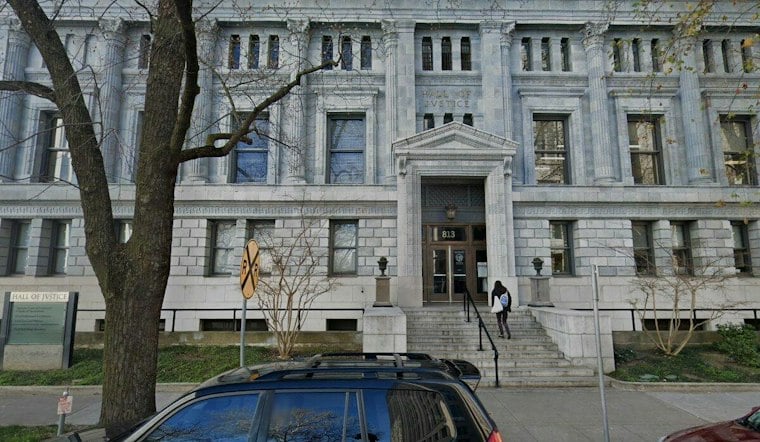
Roughly 450 Sacramento Superior Court employees are poised to walk off the job on or after October 30, after months of stalled contract talks over pay. The workers, represented by United Public Employees, have been without a contract since early September, and the union says the court has refused to offer raises that keep pace with the rising cost of living in the region.
The strike vote comes after a state mediator sat in on two days of negotiations, October 19 and 20, that ultimately produced no agreement, according to CBS News Sacramento. The union is asking for a 4% pay increase, and says the court told bargainers there simply was not funding available for rank-and-file raises. United Public Employees also claims the court managed to find money to raise pay for managers, even as it held the line with frontline staff.
California’s court labor rules put wages within the scope of bargaining: Rule 10.654 covers matters within a court’s authority that relate to employment conditions, including “wages, hours” and other terms of employment. The rule excludes decisions about the merits, necessity or organization of services provided by law or executive order. That framework makes pay a bargaining subject, while leaving the court’s delivery of legally required services outside that scope. California Rules of Court Rule 10.654
UPE executive director Ted Somera did not mince words about the breakdown. Somera said court administration disregards frontline employees who make the justice system work in Sacramento County, and separately called the court administration's approach unjust. Those are strong accusations from a union leader who has now taken his members to the brink of a walkout over the union's requested pay increase.
Court Says Budget Is Tens of Millions Short
The Sacramento Superior Court tells a different story about its finances. Court officials say they are projected to receive $109 million in funding for the 2026-2027 fiscal year, but that figure sits roughly $61 million below what the Judicial Council's own operating formula says the court needs. The court has also claimed that UPE is asking it to tap reserve funds to finance the salary increases the union wants, according to the same CBS Sacramento report.
Court Executive Officer Kelly Sullivan struck a more conciliatory tone than the union's public statements, telling reporters that bargaining continues and that the court remains open while providing essential public services. The court separately said it remains committed to finding a solution that recognizes employees while still maintaining service to the public, language that suggests more talks could happen even as the strike clock ticks toward October 30.
What Happens If Workers Walk Out
If the strike proceeds, the court says it will activate an emergency operations plan built around employees who are not represented by UPE. Under that plan, constitutionally mandated court functions would be staffed by non-union personnel, and the court says every location will stay open to the public. Officials caution, however, that some services may be delayed while the plan is in effect.
This is not the first labor standoff involving UPE and Sacramento-area public employers. The Sacramento Bee has reported that Sacramento County employees represented by the same union sent a 10-day strike notice during a separate wage dispute, seeking a 4% to 5% raise after 15 rounds of negotiations with the county failed to produce a deal going back to December 2024. In that dispute, as in this one, workers framed the fight as a battle to keep pace with living costs that have outrun their paychecks.
Sacramento’s court and UPE have faced a strike dispute before. In 2015, after their agreement expired, the union gave notice of a two-day walkout; the court asked California’s Public Employment Relations Board to seek an injunction against some clerks and court reporters. PERB denied the request, finding the court had not shown that essential functions could not be performed by managers, supervisors or replacement staff. That decision addressed the evidence in that case, not the legality of a potential 2026 walkout. PERB’s 2015 decision involving Sacramento Superior Court and UPE
Court labor disputes elsewhere in California offer a glimpse of how contentious these standoffs can get. Capital Public Radio reported that the Sacramento County Attorneys Association, which represents about 300 prosecutors, public defenders and child support lawyers, pushed for at least a 5.5% raise recommended by a fact-finding panel in 2024 — a fight that would have marked that group's first strike since September 2006. Across the bay, the Superior Court of California, County of Alameda noted that its own 2025 labor agreement came only after roughly 10 months of contentious negotiations that included a two-day work stoppage that February.
Whether Sacramento's court workers actually walk out on October 30 may hinge on what happens at the bargaining table in the coming days. For now, both sides remain publicly at odds over how much money is actually available and where it should go — a dispute that, if unresolved, could leave the region's courthouses leaning on emergency staffing just as the strike date arrives.





