

























































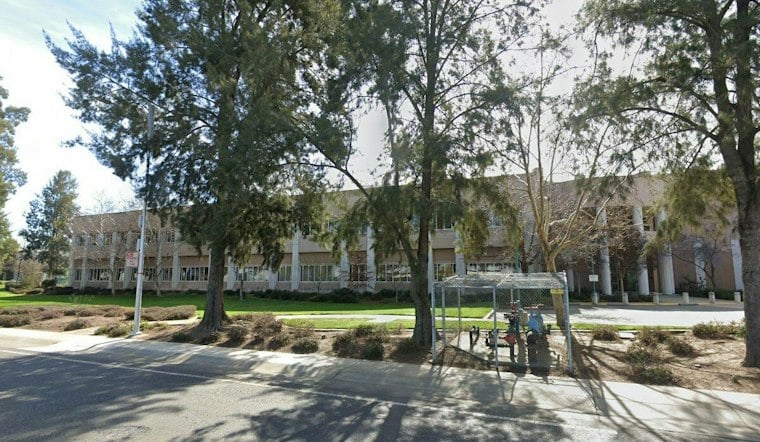
Curtis Burdan lived on the streets of Sacramento starting in 2012, and for years he carried congestive heart failure that eventually left his heart functioning at about 10%. Today he has a private room, daily necessities and professional hospice care at Joshua’s House, a South Natomas facility built specifically so people experiencing homelessness do not have to die in a hospital bed or on the pavement. He has stayed there for five months.
Joshua’s House opened in summer 2025 and is operated by YoloCares, according to CapRadio. As KCRA 3 News reports, the facility hosts six cottages with capacity for 15 patients, and each cottage includes three private rooms along with shared kitchen, dining and bathroom spaces. Hospice patients are generally given a prognosis of six months or less, and Joshua’s House provides food, personal care and other comforts for people who are seriously ill and need end-of-life support.
A Grandson’s Death Sparked the Idea
The facility traces its origin to Dr. Marlene von Friedricks-Fitzwater, whose grandson Joshua died on the streets of Omaha, Nebraska, after struggling with drug addiction and unstable housing, per KCRA 3 News. Von Friedricks-Fitzwater interviewed about 180 people experiencing homelessness about their greatest fears and found that dying alone on the street was chief among them. She has said the facility exists so that people do not have to face that fate.
Joshua’s House features a tree of dignity honoring people whose lives have been lost, according to KCRA 3 News. Program manager Adi Rasilau, who lost her younger cousin during the COVID-19 pandemic, works alongside CEO Craig Dresang to run daily operations. Dresang has said Joshua’s House is the first facility of its kind on the West Coast and one of only a few in the country.
No Walk-Ins, but a Wide Referral Network
Despite serving a population often associated with emergency rooms and street outreach, Joshua’s House has no walk-in services, per CapRadio’s report. Referrals instead come from health care partners well beyond Sacramento — the outlet notes that Enloe Health in Chico, Providence on the North Coast and hospitals in Stockton have all sent patients to the facility.
Roughly 50% to 60% of the funding at Joshua’s House comes from Medicare and Medi-Cal benefits, with the rest raised through philanthropy, the station reports. More than 100 volunteers support Joshua’s House and YoloCares’ other programs. KCRA 3 News reports the facility was built without taxpayer funding, after raising about $3.5 million to establish its six cottages — a project that, according to the Sacramento Bee, was originally slated to open back in 2018 before construction delays pushed the timeline years past that goal.
The Cost Math Behind the Mission
Dresang has estimated that comparable hospital care can run between $3,000 and $5,000 per day, while general hospice care reimbursement is about $230 per day, according to KCRA 3 News. That gap helps explain why Dresang hopes to expand the Joshua’s House model to other communities in California and across the country. The facility already has property space for three additional cottages and a goal of eventually serving as many as 25 people, and per CapRadio, it aims to inspire five more similar innovations within the next five years.
The stakes behind that ambition are stark. Sacramento County saw more than 100 deaths of people experiencing homelessness on its streets in 2025, according to the Sacramento County Coroner’s website cited by KCRA 3 News. A broader count from the Sacramento Bee found 197 people listed as having died while homeless in the county in 2025, a 22% jump from 162 in 2024, with nearly 100 dying outdoors and 63 dying in hospitals. The Bee also reported that 71% of those who died while homeless in 2025 were under age 60, and that the county coroner has recorded 1,230 homeless deaths since 2020.
Models Elsewhere Point to a Growing Need
Sacramento is not alone in grappling with the gap between homelessness and end-of-life care. Hospice News notes that many urban areas nationwide lack sufficient end-of-life resources for people who are underhoused. In Salt Lake City, The INN Between has offered medical respite and end-of-life care since 2015, growing to 50 beds — including 25 for short-term recuperative care — while partnering with local hospice providers rather than serving as the hospice itself, according to the organization. In Indiana, Morning Light Home provides hospice care alongside free housing, meals and daily living supplies; the outlet reports it served 51 hospice patients with an average stay of 58 days in 2023 across 12 rooms and an outdoor garden.
For Burdan, those broader statistics translate into something simpler: a private room, hospice care and the daily necessities he lacked while living on the street for more than a decade. Joshua’s House was built to make sure fewer people in Sacramento County face their final months the way Joshua himself once did — alone, unhoused and far from care.





