

























































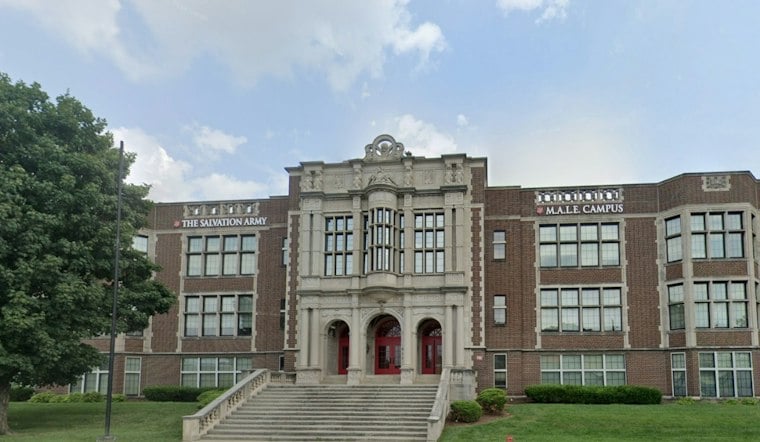
The Salvation Army of Louisville is closing its day center shelter at 911 South Brook Street on Nov. 2, 2026, ending a program that served just 8 to 12 people each day but gave them one of the few indoor daytime refuges in the city. The center, which opened during the COVID-19 pandemic, offered daytime shelter, a safe place to rest, basic support, and connections to community resources for Louisville's homeless community.
According to WHAS11, the day center operated Monday through Friday from 7 a.m. to 4 p.m., and the Salvation Army of Louisville said it decided to close the program after reviewing sustainable funding, staffing and volunteer capacity, current utilization, and the need to protect essential services. Rising operating costs and declining participation both contributed to the closure, the organization said. Salvation Army officials acknowledged the change may be difficult for day center users and partner organizations alike.
The organization said closing the day program will allow it to focus limited resources where they can have the greatest impact, directing attention instead toward safe emergency shelter accommodations, extended sheltering during White Flag situations, hot meals, food boxes, emergency financial assistance, case management, and collaborative services with community partners. A Salvation Army team is working to directly contact people who relied on the day center and connect them with other daytime shelter and support resources, per the same report.
Other Shelter Protections Remain
The Red Kettle Cafe serves meals, according to Salvation Army Louisville. The facility will also keep supporting Louisville's Operation White Flag protocol, which expands indoor shelter access whenever winter wind chills drop to 35 degrees or lower or summer heat index readings hit 95 degrees or higher, per Louisville Metro Government. TARC waives bus fares to shelters during those White Flag activations.
The loss of a dedicated daytime option still narrows an already tight list of choices downtown. St. John Center for Homeless Men, operating since 1986 out of a historic Catholic church at 700 East Muhammad Ali Boulevard, runs an emergency day shelter serving up to 200 clients daily with showers and social services, according to St. John Center. Uniting Partners for Women and Children, known as UP Louisville, operates a day center for unhoused women and children at 425 South 2nd Street, per UP for Women and Children.
A Citywide Shelter Gap That Predates This Closure
The numbers behind Louisville's homelessness crisis help explain why any reduction in daytime capacity draws concern. A 2025 Point-in-Time count identified 1,831 people experiencing homelessness across Jefferson County, with most staying in emergency shelters or living unsheltered, according to WFPL
. Separately, the Kentucky Coalition for the Homeless estimates roughly 1,600 people experience homelessness on any given night in Louisville, while only about 800 emergency shelter beds exist citywide, according to the Commonwealth of Kentucky Legislative Research Commission.
That gap matters more now that Kentucky's Safer Kentucky Act, House Bill 5, enacted in 2024, bans unauthorized street camping and was associated with at least 425 unlawful camping charges in district court across 30 counties since the law took effect, according to WUKY. Homeless advocates have said the law pushes people into hiding rather than toward help. In May 2026, Jefferson County District Judge Stephanie Burke ruled the unlawful camping statute unconstitutional in a case involving an unhoused man cited for sleeping under a Louisville overpass, dismissing the charges with prejudice, though the ruling does not bind all Kentucky courts, per Kentucky Policy.
The day center's closure comes as Louisville Metro Government pursues a separate track of expansion, having opened a new family emergency shelter as part of its Community Care Campus initiative, with medical respite and young-adult services planned for future phases, as Hoodline reported in its piece on the bigger care campus taking shape. The campus represents a major city investment in supportive housing even as a smaller nonprofit program winds down.




