

























































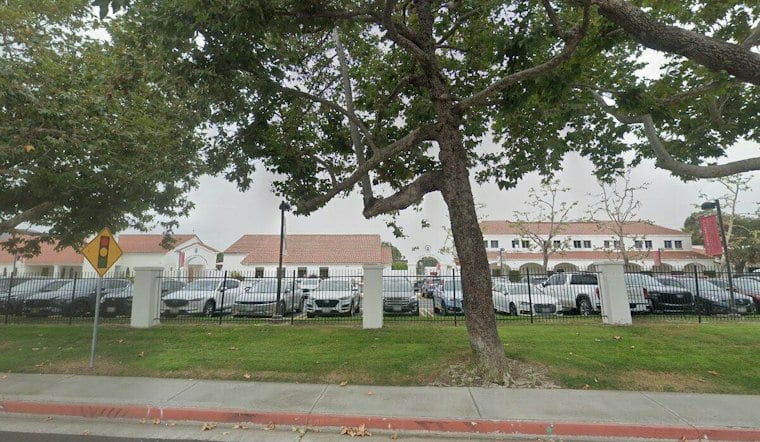
La Novia Farm is a new two-acre working farm on the campus of St. Margaret's Episcopal School in San Juan Capistrano, with plans to serve as both a learning site and a future source of produce for the school cafeteria. The farm officially opened Wednesday after its first summer growing season, which produced heirloom tomatoes and chili peppers in quantities organizers called an encouraging start.
The farm is a partnership among the Ecology Center, the city of San Juan Capistrano and St. Margaret's Episcopal School, according to the Los Angeles Times. The city provided the parcel, while the Ecology Center — a 28-acre regenerative organic farm and education center near Alipaz Street — helped develop it as a potential community learning space. Before planting, the land was amended with organic compost and prepared through several seasons of cover cropping.
Ecology Center founder Evan Marks said the first harvest was a sign of the farm's potential. “Our dream here on this two-acre site is to replicate dozens of these in the seasons ahead,” Marks said, according to the Times. He named Padrón and Jimmy Nardello peppers among his favorites from the summer crop.
A Ceremony Rooted in Land and Legacy
Wednesday's opening included a blessing by Acjachemen leader Adelia Sandoval and an acknowledgment of the land and the Acjachemen people, the Times reported. Baskets of farm-grown produce were displayed beneath rainbow arches along the main walkway. For broader historical context, Mission San Juan Capistrano identifies a grinding stone as a place where Native Americans ground acorns for food; its account does not explain the specific meaning of the farm's blessing.
Farm manager Zack Schuman led students, spectators and local leaders in planting fava beans and chickpeas in prepared furrows, making the ceremony the farm's first cool-season planting. The site has an irrigation system and 250 trees, including native species as well as stone fruit, citrus and avocado varieties, according to the Times.
City and School Leaders Weigh In
Mayor John Campbell described the city's former undeveloped parcel as a working organic farm serving students and community members. St. Margaret's Head of School Jeneen Graham said she was excited about the educational programming the site could offer, linking it to the school's emphasis on experiential learning, the Times reported.
Students already visit La Novia for science lessons and what the school describes as spiritual practice, including breathing exercises and lessons on connection to the land. As the farm develops, it is also aiming to increase production for St. Margaret's cafeteria and other distribution channels, the Times reported.
From Farm Stand to Future Blueprint
The first crop was distributed through the Ecology Center's farm stand and local farmers markets, according to the Times. The Ecology Center has grown from hundreds of annual visitors to more than 75,000 people visiting or participating in its programs each year since a 2018 expansion, the Orange County Register reported. About 3,000 to 5,000 households shop at its farm stand each week.
The Ecology Center describes its approach as certified regenerative organic, developed in partnership with the Regenerative Organic Alliance, according to Forbes. The publication described the broader 28-acre campus as combining farming, small enterprises and education. La Novia is intended as a model that could help other school districts develop regenerative farms, the Times reported in an earlier account of the Ecology Center's work.
State Sen. Catherine S. Blakespear secured $265,000 in the 2025 state budget for the La Novia Community Farm effort. As warm weather fades, half the farm will return to cover crop, while the other half is to be planted with cool-season crops including radishes, carrots, peas and legumes such as fava beans. Marks said he was grateful for the farm's progress and hoped it would inspire other community farms.





