

























































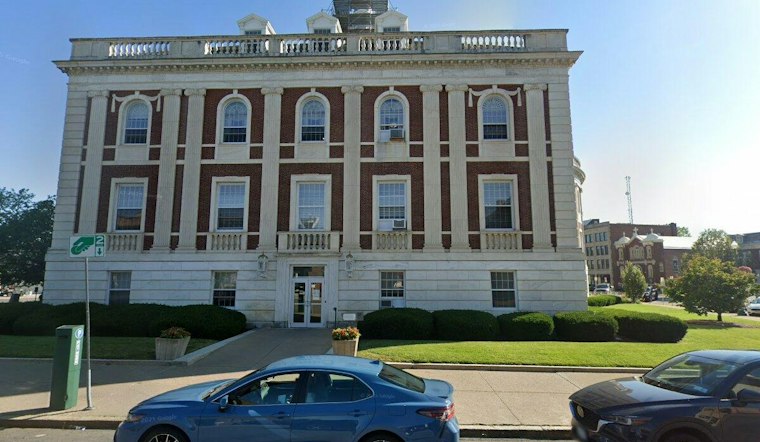
Schenectady councilmembers spent Monday night trading ideas for trimming a tentative 2027 budget that includes a tax increase reported as high as 42.5 percent, but none of the proposals on the table — from closing public pools to charging colleges more for police and fire protection — appeared large enough on their own to close the gap. The city council has been meeting with department heads for two weeks as it tries to meet its charter budget deadline.
Council Members Pitch Dueling Cost-Cutting Plans
According to The Daily Gazette, the council began proposing cuts to the tentative 2027 budget and its 42.5% tax increase during the first large-scale budget-cut discussion on Monday night. Councilmember Carmel Patrick suggested cutting travel and conference expenses, department stipends and management raises, while also floating higher payments from colleges that use city police and fire departments. Patrick also proposed adding fees to city tennis courts and raising costs at the Central Park Pool, though she was blunt about her own list of options: “I don’t like any of these suggestions.”
Council President Carl Williams offered a more sweeping set of ideas, including keeping only Central Park Pool open next year and restricting capital spending to cover only essentials. Williams also suggested re-examining emergency services contracts or asking the county to broker a conversation about a health care consortium between municipalities. He urged the council to act quickly, saying time is running out.
Trash Contracts and Waste Fees Back in the Conversation
Williams also said the city should re-examine its waste contract with Scotia and find ways, like composting, to cut back the amount of waste it handles. Schenectady collects garbage itself but does not own the transfer station that carries it to Seneca Meadows, so it pays a tipping fee based on tonnage, per the same Daily Gazette account. Separately, Schenectady Mayor Gary McCarthy has said the city’s overall trash collection, including both municipal solid waste and recyclables, is down about 10 percent, according to CBS6 Albany, which also reported that officials see potential for additional revenue through trash fees.
The idea of charging more for garbage isn’t new to Schenectady. A prior Daily Gazette report described a proposal that would have charged residents $2.50 for each trash bag beyond seven per week, or for garbage exceeding the capacity of a 45-gallon bag, alongside a bulk-item sticker system with fees ranging from $15 to dispose of a refrigerator down to $10 for a tire. That same report noted the city’s approved $116.7 million 2025 budget already included a separate $52-per-year increase in trash fees, with $500,000 in projected revenue from excess-waste charges built into that year’s budget.
Overtime Caps Run Into Staffing Realities
Williams suggested capping noncontractual overtime — a category that excludes police and fire — at 75 percent above the prior year’s allotment. But department heads pushed back on the practicality of that number: Street Maintenance, Water Distribution and Parks all asked for overtime increases rather than cuts, the Daily Gazette reported. Corporation Counsel Maxine Barasch said the law department needs a substantial overtime allocation just to keep operating amid low staffing and an ongoing hiring freeze, which councilmembers have said should continue for all departments except police and fire. Councilmember Hayden Engert put it plainly, saying this is not the year for increased staffing.
Tax Cap Fight and a Looming Deadline
Multiple councilmembers acknowledged the city will likely raise taxes regardless of which cuts are adopted, and Councilmember Doreen Ditoro said Schenectady will likely exceed its tax cap. As of Monday’s meeting, the council had not yet passed a resolution allowing it to break the cap, though members signaled one is likely to come. The reported size of that tax hike has varied: the Daily Gazette put the tentative 2027 increase at 42.5 percent, while a separate report from News10 described Schenectady’s property tax increase as 43 percent. The underlying budget gap has likewise been described differently across outlets — the Daily Gazette cited a $14 million gap the city is trying to fill through taxes, while CBS6 Albany reported the city could be facing a budget gap of as much as $15 million because revenues fell short of projections.
Schenectady’s charter requires a budget deadline of Nov. 1, but Barasch has described the timing as a gray area this year because that date falls on a Sunday. She said the council would be substantially compliant if it adopted a budget by Nov. 2 instead — a scheduling quirk with some historical precedent, since the city council passed its 1960 budget on Nov. 2, 1959, as well. CBS6 Albany also reported that Albany’s mayor is expected to propose a 2027 budget that includes a deficit of its own, suggesting Schenectady isn’t alone among nearby cities grappling with tight finances heading into next year.
How Schenectady Compares to Neighboring Troy
Not every Capital Region city is facing the same squeeze. News10 reported that Troy’s proposed 2027 budget, totaling nearly $108.5 million, includes a far smaller property tax increase of 3.4 percent and remains under the state tax cap. The contrast underscores how unsettled Schenectady’s budget picture remains less than a week before its charter deadline, with councilmembers still searching for a combination of cuts, fees and contract changes that might bring the tax increase down from its current tentative level.



