

























































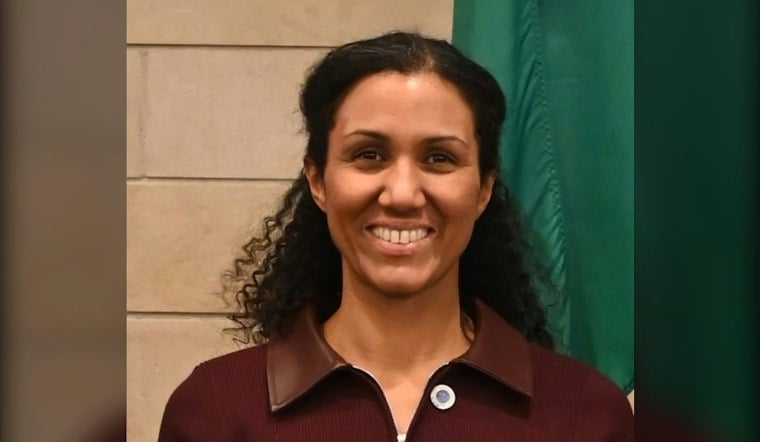
A Seattle City Council budget proposal would put up $350,000 to partner with a nonprofit that buys and cancels old medical debt, a move backers say could wipe out millions of dollars owed by local residents. The idea comes from Councilmember Dionne Foster, who is pushing the one-time investment as part of the city's 2027-28 budget deliberations.
According to Axios, Foster's proposal may wipe out more than $5 million in residents' medical debt. A separate account of the same budget item, however, tells a bigger story: Capitol Hill Seattle reports the measure would appropriate $350,000 to partner with Undue Medical Debt to purchase and eliminate at least $9.2 million in qualifying healthcare debt for local residents. The two figures do not match, and it is not clear from available records which estimate reflects the final scope of the plan. The proposal is also listed among measures co-sponsored by Council President Joy Hollingsworth, per the same Capitol Hill Seattle report.
How the Debt-Buying Model Works
Undue Medical Debt, the nonprofit partner named in the proposal, buys outstanding medical bills at steep discounts and cancels them rather than collecting on them. The organization states on its site that it never collects on the debt it purchases, only relieves it, and that a single dollar of funding can relieve $100 in medical debt.
Eligibility, per Undue's published criteria, hinges on income or the size of the debt itself: residents qualify if they earn at or below 400% of the federal poverty level, or if their medical debt exceeds 5% of their income. Notably, Undue states there is no way to apply for its government partnership program — the nonprofit says it identifies qualifying accounts by analyzing debt portfolios sold or donated by hospitals and health systems, then notifies people whose accounts qualify without requiring any action on their part. That stands in some tension with the seed reporting's framing that eligible residents must apply for relief, a discrepancy the available records do not resolve. Qualifying debts in these government-partnership programs are typically between 18 months and more than seven years old, Undue says.
A Public Hearing Is Set for Next Week
Seattle will hold a public hearing on the proposal on Nov. 5, with sessions listed at 1 p.m. and 5 p.m., according to the city's Select Budget Committee schedule. The hearing falls within the council's broader 2027-28 budget process, where Foster's proposal will be weighed alongside other spending priorities.
The push comes as survey data point to widespread financial strain from medical bills across the state. A survey of more than 1,380 Washington adults conducted from September through October 2025 found that 20% of respondents reported that they or a family member had outstanding medical bills, according to the Healthcare Value Hub. The same survey found that 35% of respondents experienced financial burdens due to medical bills, and 29% received an unexpected medical bill in the past year. Nine percent reported owing more than $10,000 in medical debt, while 45% said their debt stemmed from insurance covering only part of a service and leaving a bill too large to pay. Notably, 78% of those carrying medical debt had insurance at the time the debt was incurred, the survey found.
Other Cities and States Have Tried Similar Deals
Seattle would not be the first government to turn to Undue Medical Debt for relief. In Kentucky, a partnership with the nonprofit eliminated more than $8 million in medical debt for 4,189 Fayette County residents in its latest round, bringing the total forgiven through Lexington's program to more than $31 million for 15,144 residents, according to WKYT. Individual recipients in that round received an average of $2,000 in debt forgiveness, the station reported.
Michigan's governor said a similar partnership erased more than $21 million in medical debt for nearly 10,000 residents statewide, according to a Michigan.gov announcement. New York City, meanwhile, planned to work with Undue Medical Debt and the Mayor's Fund to Advance New York City to raise additional funding over three years to relieve more debt, per the NYC Mayor's Office.
The problem Seattle's proposal aims to address is not confined to Washington. Nationally, more than a quarter of U.S. adults — 26.6% — reported in December 2025 that they or a family member owed medical debt, according to the Urban Institute. Among those carrying medical debt, 53.8% owed at least $1,000 and 15.5% owed at least $5,000, the same research found.
Whether Seattle's council ultimately adopts the $350,000 line item, and which of the competing debt-relief figures proves accurate, remains to be settled as the budget process continues. The Nov. 5 hearing offers the next public opportunity for residents to weigh in before deliberations move forward.





