

























































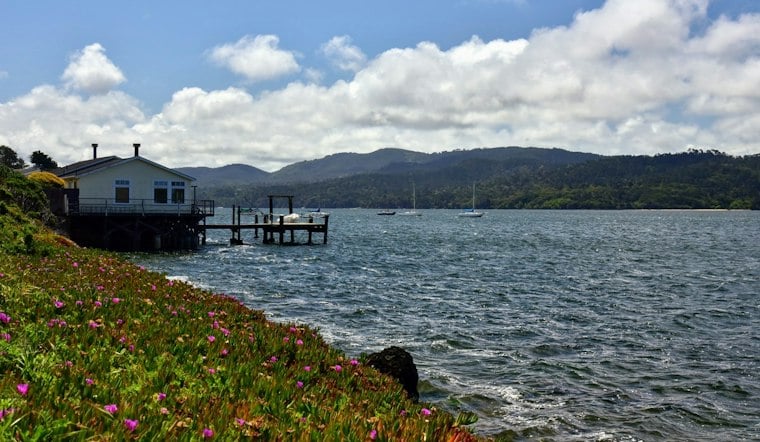
A septic system leak traced to the Due West Hotel in Olema has forced Hog Island Oyster Co. to suspend harvesting across Tomales Bay, after sewage made its way into Olema Creek and prompted state health officials to close every commercial shellfish growing area in Marin County. The company says the shutdown is precautionary, but it has already pulled products from two of its Tomales Bay growing areas off the market while the water gets retested.
How the Leak Was Found and Contained
The leak was reported Friday, and crews capped it, according to Marin County officials. Olema Creek flows into Lagunitas Creek and then to Tomales Bay. Marin County also reported no adverse effects on people or wildlife from the incident.
A historic Due West Tavern building in Olema dates to 1865, according to Mr & Mrs Smith. The property sits adjacent to Point Reyes National Seashore. In announcing the spill's containment, Marin County Environmental Health Services Deputy Director Greg Pirie discussed septic systems.
Hog Island Pulls Product, Points to Humboldt Bay
As reported by the San Francisco Chronicle, the California Department of Public Health closed all Marin County shellfish growing areas and wet-storage intakes once sewage was confirmed in Olema Creek. Hog Island stopped harvesting and shipping Tomales Bay shellfish after the state notification, returned that morning's harvest to the water, and voluntarily withdrew products from its Sweetwaters and Earthquake growing areas. The company describes the withdrawal as precautionary rather than a recall and says it has received no illnesses or customer complaints.
Hog Island is one of several shellfish operators listed in Marin County by the state health department, alongside Charles Friend Oyster Company, Cove Mussel Company, Marin Oyster Company, Point Reyes Oyster Company, Tomales Bay Oyster Company and Starbird Mariculture, per the same Chronicle report. With its Tomales Bay beds offline, the company says it will keep filling orders using oysters from its Humboldt Bay farm and partner farms in other certified growing areas. Restaurant oysters harvested from Tomales Bay before the closure came from waters that were open and certified at the time, the company said.
Owner Says Company Is Following State Protocol
Hog Island co-founder John Finger said the company is following the state's management plan fully and that harvesting will resume only after every required safety standard is met, according to the Chronicle's report. The company says its standard closure period runs 21 days, with state sampling potentially beginning October 16. If those tests come back satisfactory and the state authorizes a reopening, harvesting could resume between October 19 and 21; if conditions for an earlier reopening aren't met, the closure would extend through October 30. Marin County says it plans follow-up sampling to confirm the sewage has dissipated and bacteria levels are safe, and expects further septic-system inspection and repairs at the property this week.
Why Tomales Bay Closures Carry High Stakes
Tomales Bay and Humboldt Bay are commercial oyster production areas in California. Hog Island itself harvests across 160 acres of farmwaters in Tomales Bay and 90 acres in Humboldt Bay, selling more than 5 million oysters and Manila clams annually and employing more than 300 staff as of late 2024, Hoodline reported in its coverage of the company's Lafayette expansion.
State officials monitor shellfish for marine biotoxins in Marin County. Precautionary suspensions tied to rainfall runoff and bacterial spikes can occur in the bay.
The current closure has prompted producers to withdraw products and officials to close growing areas after sewage was detected, despite no reported illnesses.




