

























































Governor Josh Shapiro and Republican challenger Stacy Garrity squared off Wednesday night in Harrisburg for an hourlong debate, their first and only scheduled face-to-face meeting before Pennsylvania voters decide the governor's race on November 3. The two traded sharp jabs over data centers, skill-game taxation and gas prices, but found common ground in declining to commit taxpayer money to new sports stadiums. Polling suggests the race remains lopsided heading into the final weeks of the campaign.
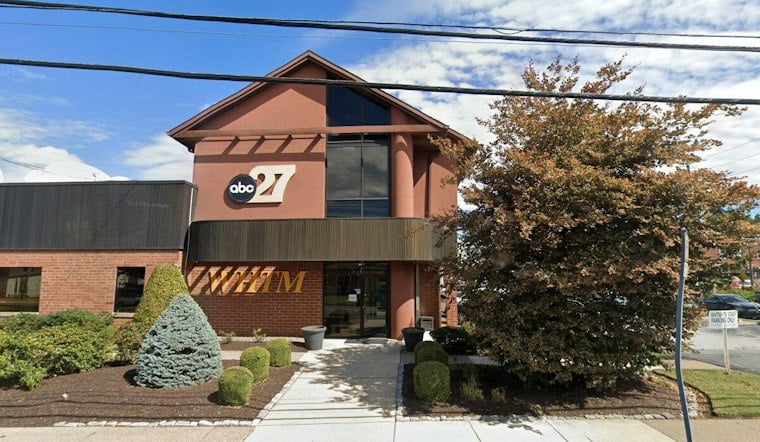
The debate was hosted by Nexstar Media Group and held at the studios of WHTM-TV in Harrisburg, with Dennis Owens and Lisa Sylvester serving as moderators, according to PoliticsPA. As reported by Axios, Shapiro, the Democratic governor of Pennsylvania, and Garrity, the Republican state treasurer, debated data centers, taxes, skill games, gas prices and sports stadiums over the course of the evening.
Data Centers Emerge As Flashpoint
Shapiro defended his executive order on data-center development, telling the audience he was proud of instituting what he called the strictest data-center guidelines in the country, and he argued local municipalities should retain final say over where such facilities are built, per PoliticsPA. Garrity reiterated her call for a pause on new data-center development but was non-committal about how long such a moratorium should last, the outlet reported.
The exchange comes as Quinnipiac University found that 64% of likely Pennsylvania voters think AI data centers in the state will do more harm than good, compared with just 24% who said they'd do more good than harm. That same survey, conducted October 1 through October 5 among 1,159 likely voters with a margin of error of plus or minus 3.9 percentage points, underscores how contentious the data-center buildout has become statewide.
Skill Games Split Along Tax Rates
Shapiro defended a proposal that would legalize so-called skill-game machines while taxing them at a 52% rate, saying he would direct the resulting revenue to the general fund and use a core chunk of it to fund mass transit across Pennsylvania, according to the same PoliticsPA account. Garrity countered that the 52% rate would hurt VFWs and small businesses that rely on the machines, instead backing a flat $500 monthly fee for each of 50,000 machines, which she said would bring $300 million in revenue to the state.
The skill-games fight isn't purely theoretical. The Pennsylvania State Police has identified October 13, 2026, as an upcoming compliance deadline for businesses and establishments operating the machines, per the agency's own newsroom announcement. Both candidates support some form of regulation and taxation for the machines, Spotlight PA notes, even as they diverge sharply on the tax structure.
Gas Taxes, Medicaid Work Rules and Voter ID
Garrity criticized Shapiro for failing to deliver on an earlier $250 gas rebate and proposed her own $750 rebate covering the June, July and August driving months, while also calling for the elimination of Pennsylvania's gross receipts tax, PoliticsPA reported. Shapiro said he would not close the door to a gas tax holiday if Republicans and Democrats in the legislature can find a way forward on the idea.
Garrity also pressed for new Medicaid work requirements, saying healthy adults without small children should have to work, train or volunteer 20 hours a week to maintain eligibility, according to Spotlight PA's reporting on the debate. Both candidates expressed openness to voter-ID requirements, PoliticsPA reported, with Shapiro insisting any such legislation must still protect ballot access. Neither candidate committed to using state taxpayer money to fund new stadiums for the Pittsburgh Steelers or Philadelphia Eagles, the outlet added.
A Lopsided Money And Polling Race
The debate arrived amid a financial mismatch that has defined the race for months. Shapiro has raised about $55 million since launching his campaign, compared with roughly $5.3 million for Garrity, per campaign filings cited by Axios. Spotlight PA similarly reported that Shapiro has raised about $55 million since the beginning of last year against a bit over $5 million for Garrity, and that his campaign has dramatically outspent hers on advertising while polls have consistently shown him with a double-digit lead.
Campaign-finance filings reviewed by PublicSource show the two major candidates have raised $60 million collectively since the start of 2025, with Shapiro accounting for 91% of that total. During a three-month reporting period ending September 14, the same filings show, Shapiro's campaign spent about $13.5 million on television advertising compared with Garrity's $204,000 — part of an overall cash advantage PublicSource pegged at roughly 20-to-1 heading into the campaign's final stretch. Garrity raised $1.8 million and spent $1.6 million during that same window, entering the home stretch with $1.4 million on hand, the outlet reported.
Quinnipiac's October poll found Shapiro leading Garrity 59% to 34% among likely voters, with 2% supporting Ken Krawchuk and the remainder undecided. The same survey found Shapiro's favorability at 55% against 22% for Garrity, and his job-approval rating at 63% approve to 30% disapprove — numbers that help explain why Wednesday's debate may be the only time the two candidates share a stage before polls close.
National Politics Loom Over State Race
Shapiro did not rule out a potential 2028 White House bid during the debate, but said the only thing he is focused on is running for re-election as governor and supporting candidates who will push back on what he called the chaos, the cruelty and the corruption of Donald Trump, according to Axios. Garrity, for her part, stood by her support for the president while suggesting his tariffs should be more targeted, saying some tariffs have helped manufacturers while others have not, the outlet reported.
With Election Day set for November 3, Pennsylvania's voter registration deadline falls on October 19 and the mail-in ballot application deadline on October 27, according to Axios. Mail-in ballots are already being prepared for distribution, the outlet noted, as both campaigns head into the final weeks with sharply different resources and, according to the Quinnipiac numbers, sharply different odds.



