

























































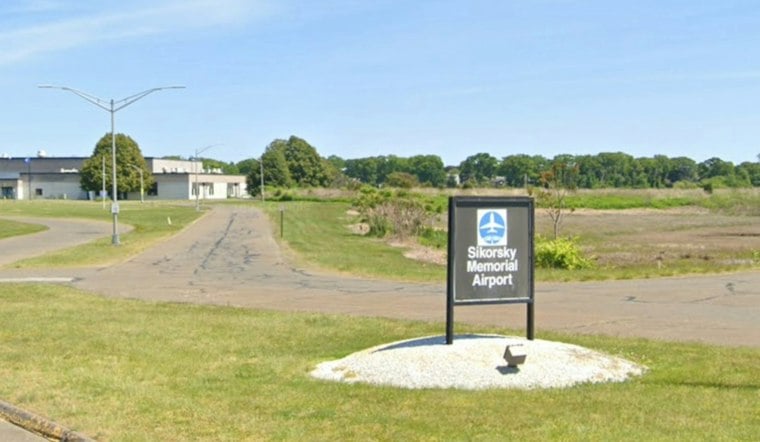
Repairing a runway is only one part of any plan to bring scheduled passenger flights back to Sikorsky Memorial Airport. The airport would likely need a 1,000-foot runway extension, estimated at about $40 million, and Connecticut Airport Authority Executive Director Kevin Dillon has put the broader cost of preparing the facility for passenger service at roughly $62 million, according to the Hartford Business Journal.
The airport’s ownership and environmental liabilities are additional obstacles. Bridgeport’s effort to transfer Sikorsky to the Connecticut Airport Authority stalled in 2023 amid concerns about cleanup costs. An earlier CAA analysis estimated contamination remediation could cost between $6 million and $19 million, while Aviation Pros reported in 2025 that the authority lacked a funding source for an acquisition.
Stratford also has a role in a potential sale or lease. State lawmakers authorized language in 2023 giving the town council a say in such a transaction, although it does not grant the council an unconditional veto; the Connecticut Post described the town’s approval as not to be unreasonably withheld. Stratford’s former mayor, Laura Hoydick, had sought to acquire the airport while Bridgeport pursued a deal with the CAA, but Bridgeport rejected that effort, according to the Connecticut Post.
What the runway work does—and does not—mean
The rehabilitation of one of Sikorsky’s two runways received $7 million in state aid, first announced in 2018, and began after years of delay. The airport, based in Stratford and owned and operated by Bridgeport, mainly serves business, charter and private aircraft. Bridgeport officials have said the safety work was needed to keep the airport operating, whether or not passenger service returns. The Connecticut Post reported that most of the work was complete and that the project had a few weeks left at the time of its reporting.
Bridgeport Mayor Joe Ganim’s aide Daniel Roach has described the rehabilitation as a step toward restoring regular passenger flights, while also saying it was needed for the airport’s continued operation. The Connecticut Post reported that Roach said an unnamed airline that had previously considered Sikorsky remained interested; he offered no further details.
Some of the construction took place at night, prompting complaints from nearby households, including residents of Lordship. The Connecticut Post reported that Roach said nighttime work was scheduled to preserve runway access. State Rep. Joe Gresko, whose district includes Lordship, acknowledged the complaints and said the rehabilitation would improve safety for existing passenger operations. He said he knew of no imminent agreement with an airline, according to the Post.
Local support comes with conditions
Stratford Mayor David Chess has said the town is not preparing for an immediate change to the airport’s role, though he supports considering passenger service in the longer term. In an interview and public statements reported by the Connecticut Post, Chess put a possible project at least five to ten years away and said Stratford should be a partner in decisions. He also identified quieter, modern aircraft and a prohibition on flights over Lordship homes as conditions Stratford would seek.
Chess has argued that airport improvements could matter to opportunities around the nearby Army Engine Plant. He also holds a seat on Bridgeport’s airport authority, the Connecticut Post reported. State Sen. Jason Perillo, whose district includes Stratford, has said he opposes changing the airport’s current flight-operations status and wants to avoid added noise and air pollution; the Post reported that constituents had contacted him about construction concerns.
The runway rehabilitation therefore does not by itself establish that scheduled service is near. The costs of further infrastructure, unresolved environmental expenses and the questions of ownership and Stratford’s role remain significant hurdles. The available timeline and officials’ statements support a distinction between completing a safety project and making the larger decisions needed for commercial passenger operations.





