

























































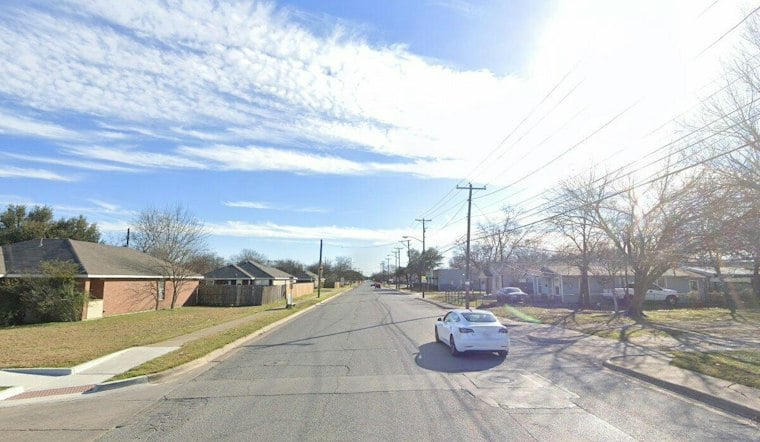
A driver fell asleep behind the wheel Wednesday and crashed into a home in east Fort Worth, according to police. Officers responded to the 5500 block of Anderson Street shortly before 12:30 p.m. after the vehicle, which had been headed south on Stalcup Road, veered off course and struck the house. No injuries were reported.
According to the Fort Worth Star-Telegram, police said the driver simply nodded off while driving, sending the car into the residence. A wrecker was called to haul the vehicle away once the scene was cleared. No further details on the driver's identity or the extent of damage to the home have been released.
A Pattern of Drowsy Driving Crashes Across Texas
This is not the first time this year that a sleepy driver in Texas has ended up crashing into property rather than staying on the road. In Navasota, a driver fell asleep at the wheel and crashed his truck onto the lawn of city hall, according to KBTX. Police there received word of a loud noise around 1:50 a.m., followed shortly by a 911 call reporting a one-vehicle rollover crash, and the driver was evaluated by EMS for minor injuries after firefighters pulled him from the truck.
Fort Worth itself has seen this kind of incident before. NBC 5 Dallas-Fort Worth reported that a driver was cited after crashing into the backyard of a home on Herritage Trace Parkway while children were playing outside, an incident that happened along the fence line of a subdivision. That crash destroyed the home's fence, and while the residents and driver were uninjured, the passenger in the car was hospitalized with unknown injuries.
Drowsy Driving's Outsized Role in Crashes
Fatigue-related crashes may be far more common than official statistics suggest. AAA Texas has pointed to research in which AAA Foundation researchers analyzed dashcam footage from more than 700 crashes and found that drowsiness played a role in 9.5% of all of them — a figure dramatically higher than federal estimates, which put drowsy-driving crashes at just 1% to 2% of the total. The same analysis found that drowsiness factored into 10.8% of crashes that caused significant property damage.
The organization has also cited Texas Department of Transportation figures showing fatal crashes involving fatigued or sleeping drivers rose 2.5% between 2015 and 2016, with fatal crashes in urban areas climbing 10.5% over that same span. AAA Texas notes that missing just two to three hours of sleep can more than quadruple a driver's risk of crashing, underscoring how a routine drive can turn dangerous in an instant.
For those looking to dig deeper into crash trends statewide, the Texas Department of Transportation maintains automated crash data extracts that cover Jan. 1, 2014, to the present. The agency's Public Extract is available to anyone, while a more detailed Standard Extract containing personally identifiable information is restricted to certain government entities under state law.
As for Wednesday's crash on Anderson Street, police have not released additional details about the driver, the vehicle, or the extent of the damage to the home. The scene was cleared once the wrecker removed the car from the property.





