

























































Food Bank of the Rockies moved into a sprawling new 270,000-square-foot distribution center in Aurora on December 1 of the previous year, consolidating operations that had been scattered across multiple sites into one hub built to lower costs and stretch every dollar toward feeding people across Colorado and Wyoming. The building is stacked with sustainability features, from a massive rooftop solar array to a cardboard baler run by a volunteer who has shown up for 16 years, and the organization says those choices are already reshaping how many meals it can put on the table.
A Warehouse Engineered to Save Energy and Money
The facility includes 52,000 square feet of refrigerated and freezer space, according to Denver7, along with additional insulation, extensive sealing and specialized cooler layouts designed to cut energy consumption. Some warehouse areas reportedly maintain stable temperatures without any active heating or cooling at all. Skylights bring in natural light, LED fixtures run throughout the building, and high-speed roll-up doors are meant to limit cold-air transfer between storage areas.
Steve Kullberg said sustainability has been integral to the organization's work, and Food Bank of the Rockies has said it prioritized those goals from the earliest planning stages of the project. The approach echoes a broader trend among food banks nationally: the San Diego Food Bank says environmental savings at its own warehouse are funneled directly into increased food purchasing and distribution, the same logic Food Bank of the Rockies is applying at a much larger scale in Aurora.
Solar Panels Projected to Fund Millions of Meals
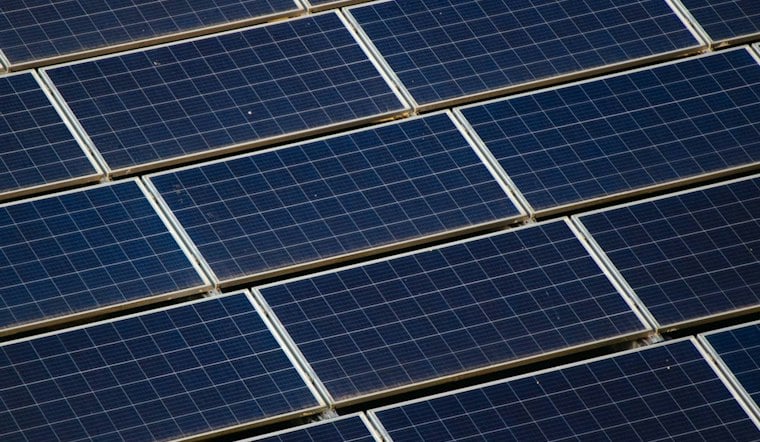
Namaste Solar, a Colorado-based company, installed more than 2,000 solar panels on the facility's roof, creating a 1.3-megawatt rooftop system. That system is expected to offset up to 87% of the facility's electricity usage, and Rachel Mountain of Namaste Solar estimated it could generate roughly $4.4 million in savings over its lifetime, enough to provide approximately 13.4 million meals.
Those figures sit alongside earlier, differing projections about the solar system's output. Food Bank of the Rockies said in January 2025 that the planned array would be able to meet 100% of the building's energy needs, while the Littleton Independent reported the panels were expected to generate 90% of the building's energy requirements once active. Rachel Mountain, director of commercial sales for Namaste Solar, said the project could serve as a repeatable model for nonprofits, schools, municipalities and community organizations looking to pair clean energy with mission-driven savings.
The financing itself was structured to avoid straining the food bank's budget up front. A financing partnership allowed Food Bank of the Rockies to preserve capital while still benefiting from future energy savings, a strategy similar to one used by the Regional Food Bank of Oklahoma, which told Food Bank News its own Brightwell-financed solar agreement saves it roughly $5,000 to $10,000 a year.
Every Saved Dollar Becomes Roughly Three Meals
Food Bank of the Rockies says it can provide approximately three meals for every dollar it spends, a ratio that turns operational savings directly into food on the table. The organization estimates it saves approximately $500,000 annually in operating costs compared with its previous setup, and converts those annual savings into roughly 1.5 million additional meals.
The math mirrors what other food banks have reported from their own sustainability investments. The San Diego Food Bank's solar installation, financed through a $1 million gift back in 2015, made its 90,000-square-foot warehouse energy independent and now saves it $120,000 annually, enabling an additional 240,000 meals every year, according to the organization. San Francisco-Marin Food Bank, meanwhile, raised $40 million through a capital campaign that included just over $2 million earmarked specifically for solar installations, per the same Food Bank News report.
Recycling Keeps Cardboard and Plastic Out of Landfills
Sustainability at the Aurora facility extends well past the roof. Chuck Johnson has volunteered 16 years processing cardboard at the warehouse, where a baler produces one or two bales a day, each weighing about a ton. Food Bank of the Rockies sends that compressed cardboard to paper mills to be recycled into new boxes.
The organization also recycles the plastic wrap used to secure pallets of food, which is processed into pellets added to asphalt and repurposed into materials used in roadway construction. Those efforts work alongside the food bank's broader mission of diverting edible food from landfills, with roughly 56% of incoming food arriving from grocery stores and distribution centers that would otherwise discard it.
Food Bank of the Rockies uses these sustainability initiatives to support its food recovery and hunger relief work more broadly, work that has only grown more urgent. The organization's food assistance programs saw an 8% increase in meal distribution, and it purchased more than 150 additional truckloads of food from late October through January to meet what it called record-high need, according to Colorado Politics. The food bank has also reported losing about 7% of its total food supply in government commodity food over several recent months, according to CBS News Colorado, making the Aurora facility's efficiency gains and food-rescue capacity more consequential for the families it serves across both states.





