

























































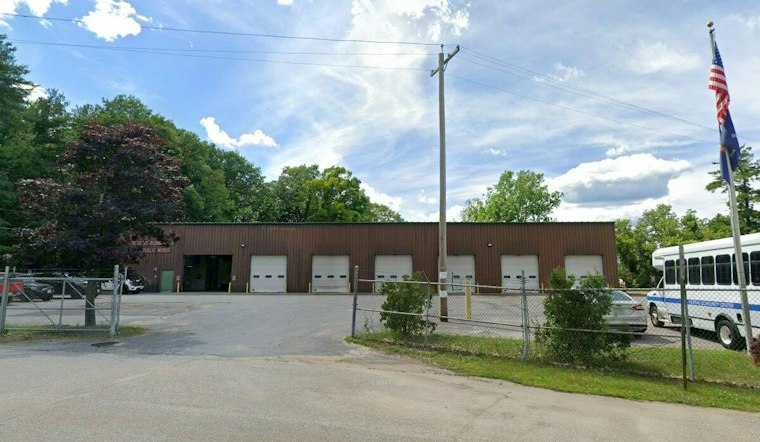
South Glens Falls village trustees have passed a local law aimed at curbing unauthorized drainage discharge. The measure addresses the issue of unauthorized drainage.
The law addresses unauthorized drainage discharge, according to The Post-Star.
Despite the penalties written into the code, officials made clear the goal right now is not to start writing tickets. Village officials said penalties will wait until the necessary work is completed before they're issued, and trustees framed the law as a tool for the future rather than an immediate enforcement push.
Groundwater and the Village's Sewer Costs
At the center of the issue is groundwater infiltration, which officials say is a major factor in South Glens Falls' payments to the city of Glens Falls for wastewater treatment. When groundwater sneaks into the sanitary system through unauthorized connections, it increases the volume of wastewater the village has to send downstream for processing.
Groundwater infiltration in wastewater is an issue. A study is examining village water rates and the water system.
Trustees Promise an 'Equitable Solution' Before Any Fines
Inspections and monitoring are needed to ensure compliance with the code.
The board approved the local law, sometimes referred to informally as the village's sump-pump law.
A Nearby Example of What Sewer Separation Can Accomplish
South Glens Falls isn't the first municipality in the area to grapple with excess water overwhelming its sewer system. Next door, Glens Falls spent $17 million over several years on a project to separate stormwater from its sewer line, according to News10. That effort reduced sewage bypasses into the Hudson River by as much as 85% in the areas affected, and Glens Falls Mayor Bill Collins has said overall bypasses have declined by 50%. News10 also reported that sewage is most likely to bypass the Glens Falls treatment plant when rainfall exceeds 0.1 inches in a 15-minute span, underscoring how sensitive these systems are to heavy rain.
Whether South Glens Falls will need a similarly large capital investment remains to be seen. The village has a water-sewer infrastructure study.



