

























































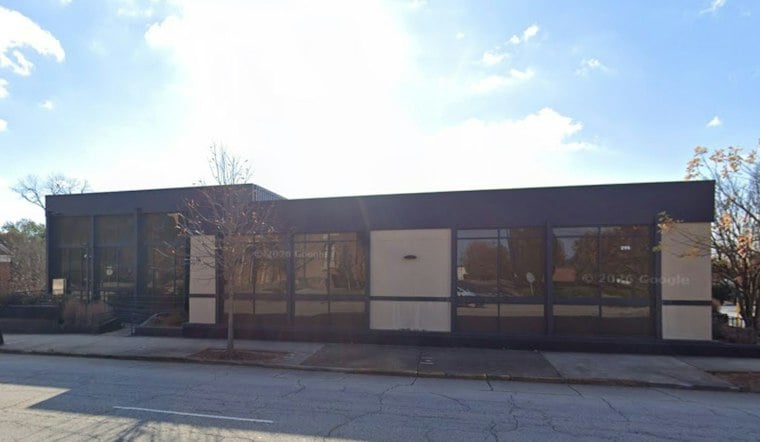
Spartanburg is tearing up a zoning rulebook that has barely changed since the late 1980s, and city officials want residents to help write what comes next. The city has launched an initiative called Code Spartanburg, its first comprehensive overhaul of local zoning regulations in more than 35 years, with two public input sessions scheduled for this week to gather resident feedback before the drafting process moves forward.
According to the Post and Courier, Spartanburg Planning Director Fredalyn Frasier said the rewrite is expected to take roughly 14 months. In the meantime, Frasier said municipal staff are also pursuing targeted “quick fixes” to existing code hurdles rather than waiting more than a year for the full rewrite to take effect. The city is targeting final adoption sometime between late 2027 and early 2028.
City officials are framing the rewrite as the regulatory follow-through on Plan Spartanburg, the 25-year comprehensive plan that City Council unanimously approved in August 2023. That plan, according to the City of Spartanburg, designated a zoning ordinance overhaul as one of its top 10 near-term implementation goals, with an emphasis on equity, character preservation, and expanding housing diversity across neighborhoods. The update also satisfies a statutory obligation: under the South Carolina Local Government Comprehensive Planning Enabling Act, municipal planning commissions must review comprehensive plans every five years and formally update them every decade, a requirement the 2023 plan already addressed.
Public Meetings Set for This Week
Spartanburg will host two public input sessions this month, both running from 4:30 p.m. to 7:30 p.m. The first takes place Wednesday in the Barrett Room at the Spartanburg County Public Library, and the second follows Thursday at the Dr. T.K. Gregg Community Center. Jerome Rice said the city wants citizens to share their opinions about the proposed zoning changes, according to the Spartanburg Herald-Journal's coverage of the initiative.
Rice, describing the stakes of the rewrite, said zoning determines what can and cannot be built in neighborhoods or parts of town, and that certain things need to be refreshed as times have changed, per the same report. Once city staff sign off on proposed changes, they will advance to the Planning Commission for review, and from there to City Council for a final vote.
Why the City Wants to Loosen Rigid Use Categories
Spartanburg's current zoning relies on traditional categories that determine where commercial, industrial, and residential development can be located, a structure city officials say increasingly clashes with the kind of walkable, mixed-use neighborhoods the city has been trying to encourage. Christopher George said the city has worked to promote mixed-use spaces in recent years, according to the Spartanburg Herald-Journal, noting that such development typically blends residential units, restaurants, retail shops, and offices within the same neighborhood or project.
To work around the existing code's rigidity, Spartanburg has relied on planned development districts that grant case-by-case zoning flexibility. That strategy permitted the construction of townhomes on Florida Avenue, in a residential neighborhood near Spartanburg Medical Center — an example city officials point to of demand outpacing what the current rulebook easily allows. Proponents say broader mixed-use zoning changes would simplify that process for both developers and city officials going forward, potentially making Spartanburg more attractive to developers and businesses weighing where to invest.
Consultants Brought In to Lead the Rewrite
The city has hired outside expertise to steer the technical work. Per Code Spartanburg's project materials, TSW is leading the code update, with Code Studio supporting zoning strategy, code development, and graphics, Greenville-based Arnett Muldrow on economic analysis, and Interboro Partners on community engagement. A consultant is working alongside city officials to translate the comprehensive plan's broad goals into the specific details of an updated zoning ordinance, according to Herald-Journal reporting.
This isn't Spartanburg's first experiment with rethinking how land gets regulated. The city became the first municipality in South Carolina to adopt a form-based zoning code when it passed its Downtown Code in 2014, a framework city officials credit with enabling the infill and mixed-use investment downtown has seen since. The current rewrite extends that same form-based, walkable philosophy outward from downtown into the rest of the city's commercial corridors and neighborhoods.
A Renter-Majority City Weighs Housing Options
The push for more flexible zoning comes against a demographic backdrop that could shape how the new code is received. U.S. Census Bureau data shows 53.8% of occupied housing units in the city of Spartanburg are tenant-occupied, compared to 46.2% owner-occupied. Residents could see more mixed-use development along commercial corridors under the new rules, along with additional housing options within existing neighborhoods.
The zoning rewrite also arrives amid a wave of downtown housing activity that Hoodline has tracked in recent weeks. The $71 million Wheelhouse at Wall Street project will bring 220 market-rate apartments and nearly 15,000 square feet of ground-floor retail wrapping the new Joint Government Center parking structure. In September, City Council separately approved fee-in-lieu tax incentives and a land contribution for a 48-unit affordable apartment complex on East Kennedy Street, funded in part through a $5 million municipal ARPA allocation.
A Different Model Just Outside City Limits
While Spartanburg moves toward form-based, mixed-use Euclidean zoning within city limits, the surrounding county has taken a different regulatory path for unincorporated growth. Spartanburg County manages development in its fast-growing southwest quadrant through a Performance Zoning Ordinance, enacted in 2020 and updated in July 2026, according to South Carolina Public Radio. That model relies on site impact buffers — regulating physical parameters like setbacks, light, and noise — rather than prohibiting specific commercial or residential uses outright, a contrast to the city's rulebook rewrite now underway.




