

























































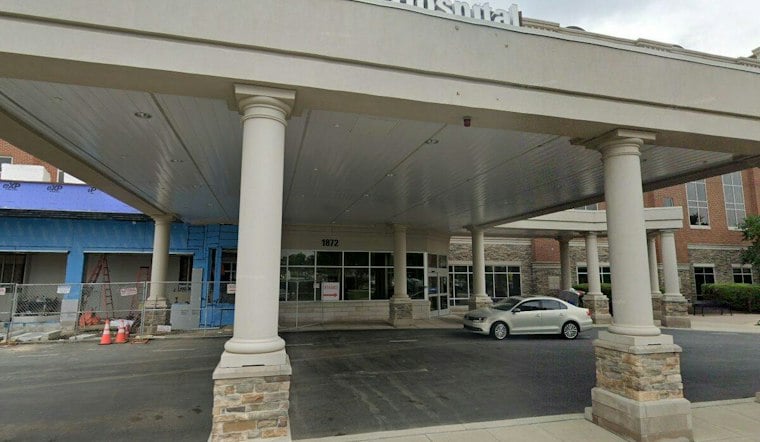
St. Luke's University Health Network has opened a dedicated Theranostics Center at its Anderson Campus, giving Lehigh Valley-area cancer patients a single location for consultations, imaging and targeted radiation treatment that previously might have required visits to multiple departments or facilities. The new center features four private infusion bays built specifically for patients receiving theranostic treatments, and it's co-located with the hospital's Nuclear Medicine department.
What Theranostics Actually Does
According to St. Luke's University Health Network, the opening expands the system's advanced cancer treatment capabilities, calling the new space a dedicated facility built around this emerging approach to care. As Lehigh Valley Business reports, theranostics combines advanced imaging and targeted treatment using specialized radioactive medicines — the same report notes the center allows patients to receive consultations, imaging and treatment in one coordinated location rather than shuttling between separate appointments.
The science behind it hinges on pairing two versions of a radiopharmaceutical: one used to identify and evaluate the extent of disease throughout the body, and a related compound that then delivers treatment to those same cells wherever they appear. Radioligand therapy delivers radiation directly to cancer cells using a targeting molecule, and the approach is designed to enable precise treatment while minimizing exposure to healthy tissue, according to the seed facts underlying St. Luke's own description of the program.
Who's Running the Program
The center's physician team includes Dr. Edgar Cheng, Dr. Jay Riccardi and Dr. Steven Yang, as reported by WFMZ. Cheng serves as a diagnostic radiologist and SLUHN's division chief of nuclear medicine, and all three physicians are board-certified diagnostic radiologists with specialized nuclear medicine expertise. Cheng said theranostics identifies disease, determines treatment candidacy and delivers therapy directly to cancer cells.
Patients in the program are also supported by a broader multidisciplinary team, the station's report notes, including clinical oncologists, radiation oncologists, radiologists, radiopharmaceutical therapy specialists, imaging technologists and registered nurses. A typical patient journey begins with a comprehensive consultation and education session, where the care team explains the treatment process and radiation safety precautions and answers questions before anything begins.
Which Cancers Are Covered
The St. Luke's Theranostics Center treats patients with low-grade neuroendocrine tumors, which develop in neuroendocrine cells throughout the body — most commonly in the digestive tract, pancreas and lungs. It also treats prostate cancer, particularly advanced forms, and certain thyroid cancers, building on St. Luke's existing experience with radioactive iodine treatments.
To carry out those treatments, the center offers FDA-approved radioligand therapies including Xofigo, Lutathera and Pluvicto for eligible patients, per the same WFMZ account. Depending on the prescribed therapy and cancer type, patients may receive a series of infusions over several months, then return afterward for follow-up imaging, laboratory testing and ongoing care coordination.
A Regional Distinction, With Room to Grow
St. Luke's theranostics program has carried a Clinical Radiopharmaceutical Therapy Center of Excellence designation from the Society of Nuclear Medicine and Molecular Imaging since 2022, and WFMZ reports it is one of about 40 programs nationwide with that distinction and the only center in the region to hold it. The Society of Nuclear Medicine and Molecular Imaging notes that a designated Clinical Center of Excellence is expected to have experience administering multiple radiopharmaceutical therapies, with a care team that includes a physician certified to read nuclear medicine scans.
The field itself has been moving quickly. The National Cancer Institute has pointed to an explosion of research and clinical trials testing new radiopharmaceuticals, with studies suggesting that targeting radiation at the cellular level has the potential to reduce certain side effects of treatment while still reaching tiny deposits of cancer cells throughout the body. The program is expected to expand as new therapies gain FDA approval, which St. Luke's says will give patients greater access to advanced cancer treatments close to home. The FDA has noted that patients with certain forms of metastatic prostate cancer should be selected for Pluvicto using an approved PSMA PET imaging product based on PSMA expression in their tumors — underscoring how closely imaging and treatment decisions are linked in this kind of care. News of the opening was first detailed in a report from TAPinto.



