

























































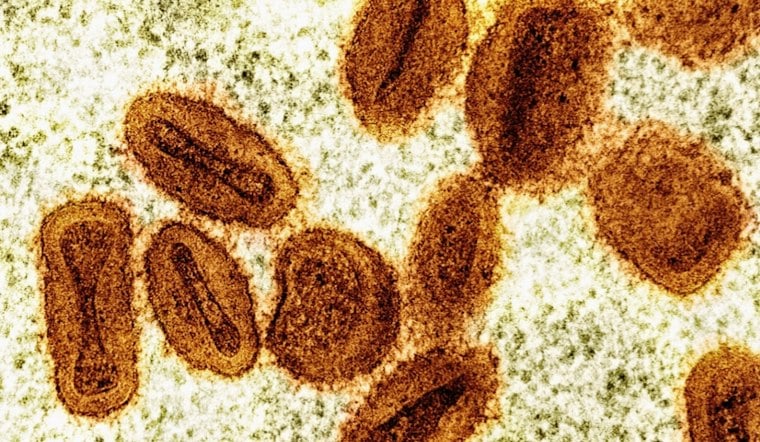
Stanislaus County has confirmed four mpox cases, and two of them are the more severe clade I strain, county health officials reported. The classification of the remaining two cases has not yet been identified, leaving open questions about exactly what variety of the virus local residents are dealing with.
The Modesto Bee reports that California state health officials confirmed the two clade I cases, while Stanislaus County health officials reported all four as recent infections. Mpox, formerly known as monkeypox, is a rare viral infection that causes a painful or itchy rash along with flu-like symptoms, according to the Stanislaus County Health Services Agency. Despite the new cases, the agency said the current risk of mpox for the general public remains very low.
Two Strains, Two Very Different Risk Profiles
Clade I mpox may be more severe than clade II, according to KPBS, and the distinction matters because of how differently the two strains have behaved. Clade I carries a mortality rate upward of 10%, attributed to Johns Hopkins School of Public Health, while clade II carries a mortality rate of 1% to 4% by the same attribution. Clade II is the strain that spurred the global mpox outbreak in 2022.
Clade I mpox cases have often been linked to international travel, though infections among people without foreign travel in the past three months have been increasing, raising concern among U.S. communities about local spread. Clade I outbreaks have been centered in Central and Eastern Africa and Western Europe. The California Department of Public Health previously confirmed three unrelated clade I cases in Long Beach and Los Angeles County in 2025, and all three of those patients were hospitalized.
County Says It's Tracking the Situation Closely
Stanislaus County is working with the California Department of Public Health to monitor the mpox situation, the county health agency said, as officials try to pin down the classification of the two unidentified cases. Dr. Thea Papasozomenos said the public risk remains low despite the four county cases, and advised that awareness of symptoms, vaccination for those at higher risk, and seeking medical care when needed can help protect people and prevent further spread.
Nationally, the picture has been shifting. The CDC reports that nearly 130 clade I mpox cases have been reported across at least 26 states plus Puerto Rico as of October, and that imported clade I cases began increasing in frequency starting in March, with local transmission occurring since August — a pattern the agency says points to a likely transition toward sustained clade Ib transmission in the United States. A separate CDC report notes that subclade IIb transmission persists at low levels nationally, while subclade Ib has spread across roughly 40 countries and includes travel-associated cases here.
What Mpox Looks Like and How It Spreads
The most common symptom of mpox is lesions, according to the county health agency, though some people develop only a few skin sores without any other symptoms. Other symptoms can include a rash or sores resembling pimples or blisters, along with fever, chills, swollen lymph nodes, headache, body aches, and fatigue. The virus spreads mostly through close contact, skin-to-skin contact, or sexual activity, and it can also spread through contaminated bedding, towels, or clothes — though casual interactions are not known to spread it easily.
Anyone who develops an unexplained rash or sores is urged to contact a healthcare provider to ask about mpox testing, which involves swabbing the rash or sores. People who suspect they have mpox should avoid close physical contact with others, refrain from sharing personal items, and isolate until all sores have healed and new skin has formed.
Vaccine Guidance for Those at Higher Risk
JYNNEOS, the vaccine available for mpox, is recommended for people at higher risk of exposure and is given in two doses four weeks apart, according to FOX5 Vegas, and it is expected to protect against both clade I and clade II infection and serious illness. The California Department of Public Health recommends vaccination for gay or bisexual men and other men who have sex with men, transgender or gender-diverse individuals, people living with HIV or taking HIV PrEP or doxy PEP, anyone exposed to mpox in the previous two weeks, and travelers heading to a country with clade I spread who anticipate sexual or intimate contact. People who have already received one dose are encouraged to complete the series, and the overall vaccination goal is increasing coverage in high-risk groups given the current outbreaks. Anyone unsure of their own risk is encouraged to discuss it with a healthcare provider.
How Stanislaus County Compares to Other Regions
Stanislaus County is far from alone in confronting new mpox activity this year. San Diego County reported 27 clade II cases in 2026, mostly among people who were not fully vaccinated, all involving men between 17 and 53 years old, according to KPBS. The outlet also notes that most clade I cases outside Africa are associated with travel, though some areas have reported local spread.
In Nevada, the Southern Nevada Health District recently announced its first confirmed clade I case in a Clark County resident with no reported travel exposure, on top of 11 confirmed clade II cases reported since August, per the station's report. That same district has logged 365 mpox cases total in Clark County since its first case was reported back in June 2022. Separately, NEJM Evidence has documented a clade Ib outbreak across Central and Eastern Africa driving multiple travel-associated infections, including three unvaccinated people confirmed infected in October 2025.



