

























































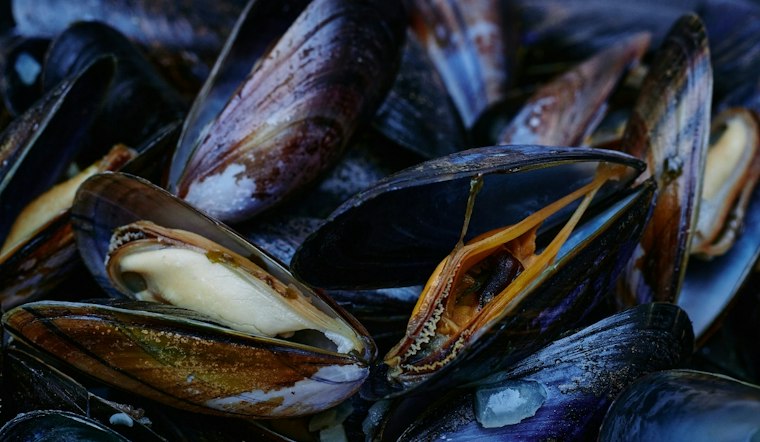
Stockton still has the worst golden mussel problem in California, according to Rep. Josh Harder, who joined Assemblymember Rhodesia Ransom this week to discuss how to stop the invasive species from spreading further through the state's waterways. The two lawmakers met Monday in Stockton, the same city where the mussels were first detected in California back in 2024, to talk through containment strategies as the tiny mollusks keep turning up in new places.
Golden mussels were first confirmed in North America in October 2024 at the Port of Stockton, according to CBS News, and the species hasn't stayed put since. The mussels have since spread from the Sacramento-San Joaquin River Delta through canals and aqueducts, reaching the Bay Area and Southern California, as reported by the San Francisco Chronicle. They've also turned up at the Port of West Sacramento, marking the species' northernmost detection in the state since the original Stockton find, per CBS News. ABC News reports the mussels have spread quickly up and down the West Coast, reaching the Bay Area, Los Angeles and San Diego.
The mussels attach to boats, trailers, pipes, pumps and other underwater surfaces, and dense colonies can clog pipes, obstruct water flow and foul boat motors, according to the Sacramento Bee. Stockton is already spending more than $200,000 to clear mussels off screens in the city's water-intake pipes, with 30% to 40% of those screens clogged, CBS News reports. CBS News also reports that the longer the mussels keep spreading, the more expensive it will become to remove them from water infrastructure.
Boaters and Officials Say Costs Are Piling Up
Jason Jones, who was part of Monday's discussion in Stockton, said he's observed more golden mussels over the past year in the Sacramento-San Joaquin River Delta. He said some boat owners now have to pay for professional removal and cleaning when the mussels attach to their vessels, and he questioned whether enough money is being directed toward protecting local waterways.
Ronna Green, who also attended Monday's discussion, said more communities need to understand the scope of the threat. She described the situation as a state of emergency and said not every city is aware of the waterway problem unfolding around it. Green said the research and data already exist — what's missing, she argued, is action, and she wants to see more done to control the species.
State Lawmakers Cut Red Tape, But Funding Figures Diverge
California has already moved on one front: Gov. Gavin Newsom signed Ransom's Golden Mussel Response Act, intended to help water agencies cut through permitting delays, according to Stocktonia. That kind of delay has been a real obstacle elsewhere — the Contra Costa Water District spent five months obtaining a permit for just one application of a copper-based treatment, according to Agri-Pulse.
Ransom warned that higher costs and increased water-supply risks could affect households and farms across the state. How much the state is actually spending to fight the mussels is murky: Stocktonia reports California's budget includes $6 million to combat the spread, while the Sacramento Bee reports the 2026-27 budget committed $7.5 million, including funding for five boat decontamination sites around the Delta. The Chronicle reports tens of millions of dollars are being spent statewide to control the infestation, and notes the spread is increasing the potential for disruptions to water delivery, flood-control systems and hydroelectric operations.
Federal Bill Still Awaits a Vote
Harder's proposed federal Golden Mussel Eradication and Control Act would establish a rapid-response program, expand inspection stations and support research into ways to eradicate the mussels, per Stocktonia. The legislation received a congressional hearing in September but is not yet law and still requires approval before it could take effect, the outlet reports.
Harder said containment, monitoring and surveillance should come before any push to eradicate the mussels outright. Other counties have already taken emergency action of their own: the infestation has prompted emergency declarations in Sacramento, Yolo, San Joaquin and Kern counties, according to the Sacramento Bee, and the San Joaquin County Board of Supervisors declared its own local emergency in April, as reported by the Record.
Elsewhere, Lake Tahoe officials rely on mandatory boat inspections and decontaminations to keep the mussels from being carried in overland, the Chronicle notes. Agri-Pulse reports Tahoe inspectors intercepted 72 watercraft carrying aquatic invasive species in the most recent reported year, including 14 with invasive mussels and one carrying a golden mussel specifically. CBS News reports that California wildlife officials are urging boaters and other waterway users to thoroughly clean, drain and dry their watercraft and equipment before moving between different bodies of water.



