

























































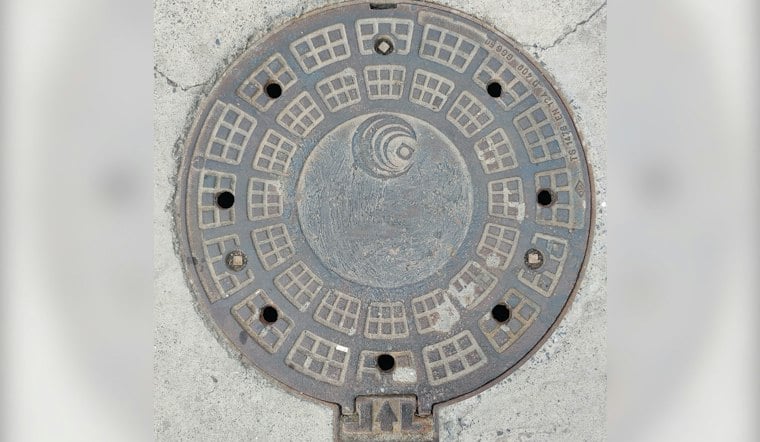
Paintbrushes replaced plain concrete across Sulphur Springs on Thursday, as more than 20 local artists and volunteers with Keep Tampa Bay Beautiful transformed 25 storm drains throughout the neighborhood and nearby Tampa communities into public art between 7 a.m. and 3 p.m. The goal isn't just prettier curbs — it's a direct appeal to residents to stop treating storm drains like trash cans before whatever goes down them reaches Tampa Bay.
The project, reported by FOX 13 Tampa Bay, aims to raise awareness about stormwater pollution by visually demonstrating a fact many residents overlook: storm drains don't run through treatment plants, they flow straight into local waterways. Street litter, chemicals, motor oil, fertilizers and pesticides can all wash into those drains and out into Tampa Bay, according to the station's reporting. Storm drains exist primarily to move rainwater off streets and prevent neighborhood flooding, but that same engineering carries pollutants directly into nearby bays and rivers.
Kristina Moreta, with Keep Tampa Bay Beautiful, said storm drains are a direct connection between neighborhoods and waterways, per the station's account. The organization hopes the public art will capture attention and encourage people to think twice about what they put on the ground or down a storm drain, the outlet reported. The murals are intended to remain as permanent reminders to avoid littering and keep trash and pollutants out of Tampa Bay, rather than a one-day awareness stunt.
Why Sulphur Springs, and Why Now
The stakes are hyper-local. Debris left on Sulphur Springs streets can travel through the stormwater system into the Hillsborough River — and eventually Tampa Bay — according to the FOX 13 report. That matters because the Hillsborough River serves as Tampa's primary municipal drinking water source before it empties into the bay, a connection detailed by Plan Hillsborough, which notes that urban runoff into the river carries heavy metals, fertilizers, microplastics, and synthetic chemicals. In surveys cited by the station, 64 percent of Sulphur Springs residents identified environmental damage, including litter and illegal dumping, as a top neighborhood priority, based on city of Tampa planning data.
The city's own water quality math underscores the urgency. Stormwater runoff now accounts for at least half of the nitrogen pollution entering Tampa Bay, according to Tampa Bay Estuary Program estimates reported by the Tampa Bay Times. Major upgrades to municipal wastewater plants have already curbed point-source sewage discharges, leaving nonpoint runoff — the fertilizer, oil, and litter washed off streets and lawns — as the dominant threat feeding harmful algae blooms and seagrass decline.
A Program With an Eight-Year Track Record
Sulphur Springs isn't the first Tampa neighborhood to get this treatment. Keep Tampa Bay Beautiful first launched its storm drain art program in 2018 with a pilot project in South Seminole Heights, according to West Orlando News, before expanding to Robles Park in December 2023 and now Sulphur Springs. The Robles Park effort, carried out alongside the city of Tampa, was supported by a $10,000 grant from the Tampa Bay Regional Planning Council and built around the “Only Rain Down the Drain” campaign.
Founded in 1989, Keep Tampa Bay Beautiful is a 501(c)(3) nonprofit and official Keep America Beautiful affiliate that coordinates waste reduction and environmental education across Hillsborough County, per background from Tampa Bay Water. The organization's broader footprint is sizable: its programs mobilized 24,026 volunteers during fiscal year 2025, who removed 372,486 pounds of litter, according to the FOX 13 report. The nonprofit has also installed 700 storm drain markers in other Tampa neighborhoods and runs cleanup events, volunteer projects, and environmental education year-round.
That track record has drawn national recognition. Keep America Beautiful awarded the local affiliate its 2024 and 2025 National Partnership awards for community environmental initiatives in areas with populations over 250,000, according to Keep America Beautiful.
Part of a Larger Regulatory and Regional Push
The Sulphur Springs murals also fit into a legal obligation. The city of Tampa manages its storm drainage system under a Municipal Separate Storm Sewer System permit issued by the Florida Department of Environmental Protection, which requires public education programs to control nonpoint pollution, per the Tampa Stormwater Management Department. That mandate traces back to federal Clean Water Act rules aimed at keeping untreated urban runoff out of surface waters. The storm drain art slots into a citywide effort, with Tampa launching its “Keep It Clean, Tampa!” campaign in July 2025, pairing hot-spot data from a municipal litter study with storm drain art education to cut down on street trash.
Tampa isn't alone in using paint as policy. Nearby Pinellas Park created its own storm drain mural program in 2019, funded by the Florida Department of Transportation and the Tampa Bay Regional Planning Council, according to Bay Soundings, which notes that most residents incorrectly believe storm drains route through water treatment plants. Keep Tampa Bay Beautiful has also leaned on mass volunteer mobilization before: the group rallied more than 400 volunteers in January 2025 for a post-Gasparilla parade cleanup to clear street litter before it could reach city storm drains.




