

























































A State Supreme Court justice has ordered Brooklyn landlord Mendy Kletzky to sell all 18 of his Syracuse properties within 90 days and banned him from ever owning or renting residential or mixed-use property in the city again. The ruling also hits Kletzky with more than $7 million combined in fines, interest and unpaid bills tied to years of code violations across his rental portfolio.
Justice Joseph Lamendola's order, detailed by syracuse.com, requires Kletzky to pay $6.6 million in fines and interest for open code violations, including lead-paint violations, plus another $458,000 in back taxes and water bills. Until the properties are sold, Kletzky must also stop collecting rent from tenants in his 12 occupied properties until he gets on the city's rental registry. The court further found that the LLCs holding most of his properties are extensions or alter egos of Kletzky himself, a finding that lets the city hold him personally responsible for complying with the order.
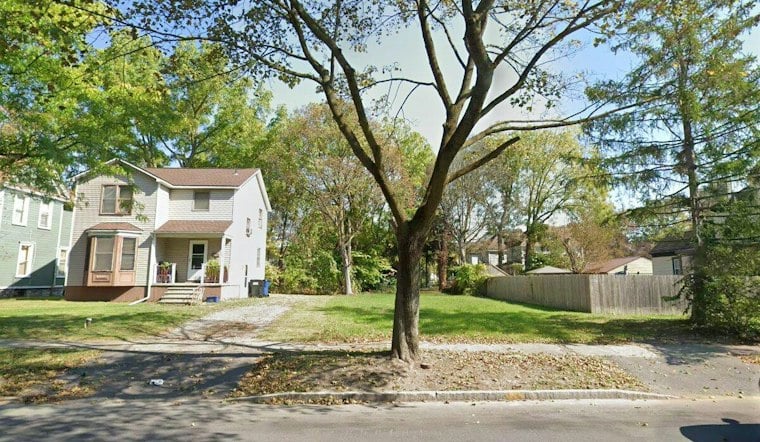
Kletzky's rentals in the city are mostly one- or two-unit homes, and he also owns three vacant homes and three empty lots, according to the same report. Any buyers for the 18 properties cannot be his business or personal associates, and the city must approve every sale before it closes.
A Two-Decade Paper Trail of Violations
Kletzky has operated in Syracuse since buying his first property there in 2007, and the city has won numerous judgments and demolition orders against him over the past two decades, per syracuse.com's reporting. The city of Syracuse sued Kletzky in March 2025 after years of legal maneuvering over code violations and unpaid taxes, a move announced by Mayor Ben Walsh's administration, which sought a court order requiring Kletzky to correct all open code violations within 30 days and giving the city review and approval over any property sales.
That lawsuit followed a pattern. As of November 2024, Kletzky owned 16 properties in the city and owed a combined $270,000 in back taxes on them, city officials said at the time, the outlet's reporting shows. A separate lawsuit that same month involved a house on Midland Avenue that had been damaged by a 2017 fire; a different judge secured a demolition order for that property in May.
The city's frustration with Kletzky dates back further still. In 2020, officials asked the Common Council for approval to seize 22 tax-delinquent properties and transfer them to the land bank, and more than half of those properties could be traced back to Kletzky, according to the city's housing chief at the time, as reported by the outlet. Of those 22 houses, five were vacant and 17 were occupied.
Bankruptcy Filing Stalled the Case
Kletzky's legal troubles have also crossed into federal court. He filed for Chapter 13 bankruptcy protection the day before a hearing, which under federal law forced state court proceedings to be suspended while the bankruptcy case was adjudicated. The case ultimately went nowhere: Kletzky failed to file required reports and did not appear at hearings, and the bankruptcy court dismissed the case last month, clearing the way for Justice Lamendola's ruling.
The code violations behind the $6.6 million fine date back as many as 1,000 days, per the same reporting. Kletzky has faced this kind of legal exposure before. He was charged by the Onondaga County District Attorney's Office in 2017 after the Onondaga County Health Department issued lead-paint remediation orders against him, and in 2018 he pleaded guilty to failing to comply with those orders.
How Kletzky's Case Compares
The scale of this ruling stands out even against other Syracuse-area landlord cases involving lead paint. In February 2024, landlord William D'Angelo agreed to an unusual deal in which he promised to spend $230,000 cleaning up lead paint at 22 properties and pay $80,000 to the families of 16 children who had been poisoned, syracuse.com reported separately. D'Angelo was barred from selling those 22 properties until the cleanup was finished and a third-party monitor confirmed compliance. Kletzky's ban is more sweeping — he is not just barred from selling until he fixes problems, but prohibited from ever owning or renting residential or mixed-use property in Syracuse again.
The city has previously moved to tear down some of Kletzky's properties outright. Two years before filing its March 2025 lawsuit, the city sought permission to demolish vacant houses he owned, and has since demolished homes on three land parcels under court orders, according to syracuse.com's reporting.
City Officials Call It a Turning Point
For Syracuse officials, the ruling represents the culmination of a long-stated goal. Mayor Ben Walsh has said his ultimate objective was to get Kletzky out of Syracuse's rental market entirely — a result the court's order now appears to deliver by forcing the sale of all 18 remaining properties and permanently closing the door on future ownership in the city.


