

























































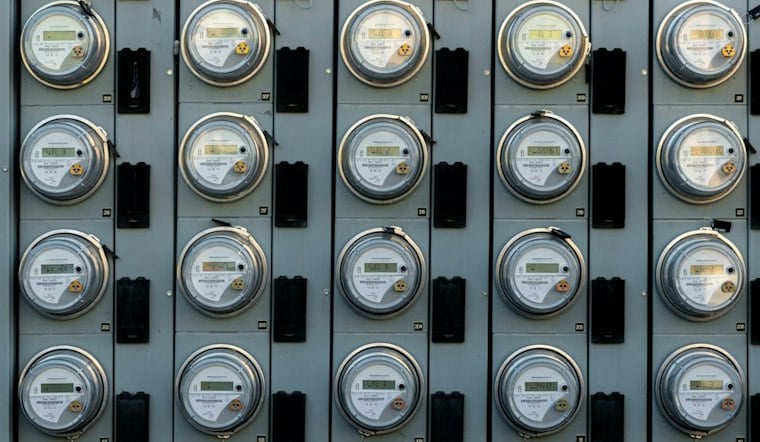
Tenants at a historic eight-unit apartment building in Tacoma are refusing to pay their water, sewer and gas bills starting Sunday, Nov. 1, escalating a six-month standoff with their landlord over how those costs get calculated. The McIlvaine tenants voted unanimously on Oct. 13 to authorize the strike, according to their tenant union, which says it has run out of patience waiting for the building's owner to fix what it calls an opaque and unpredictable billing system.
The McIlvaine Apartments, located at 920 S. Ninth Street and listed on the Tacoma Register of Historic Places, dates back to the early 1900s and holds eight units. As reported by The News Tribune, tenants there are charged water, sewer and gas costs through a ratio utility billing system, commonly known as RUBS, while electricity is metered separately and billed directly to residents. Tenant union leader Bearett Hoffmann, a McIlvaine resident, said the group's issue isn't with individual meters but with the ratio system itself. “Our main concern is not necessarily with individual meters, but rather the RUB system in general,” Hoffmann said.
Hoffmann said he was charged over $300 for water, sewage and garbage for several months, and that one bill hit $447 the month before his wedding. He said the unpredictability of those charges makes budgeting difficult for some union members. The tenant union has said it would be open to alternatives to submetering if the RUBS formula itself changes, though Hoffmann said the union's preferred fix — separately metered utilities for every unit — was deemed economically infeasible by the owners.
Months of Talks That Tenants Say Went Nowhere
The tenant union, which formed in spring 2025, says it has spent six months demanding negotiations with building owner Rainier Valley Partners. Tenant representatives met with owner representatives on Sept. 11, but the two sides scheduled a follow-up meeting that tenants say never materialized with any real progress. Hoffmann said that gap is what finally tipped the group toward action: “that is what pushed us toward the actual utility strike — the lack of follow-through on that last meeting.”
Owner representatives at that September meeting told tenants they weren't authorized to make decisions, according to the union, and Rainier Valley Partners did not immediately respond to dates tenants proposed for a follow-up. The union is now seeking a meeting with someone who actually has authority to negotiate and reach a mutually acceptable agreement on more predictable billing.
Rainier Valley Partners disputes the characterization that it ignored tenants, calling that claim false. The company said it has communicated with the tenant group monthly since first hearing from them in May, and that several of those communications included the RUBS formula along with a detailed explanation of how it works. The owner also said it held a Zoom meeting to walk through the billing method and that it sent utility bills and charges to half of the building, remaining ready to send them to any resident who requests them.
Owner Points to Leases, Larger Units and Rising Costs
Rainier Valley Partners said residents are responsible for utilities under their leases, while noting that landlords are legally required to provide utility service in the first place. The company described itself as a small owner-operator trying to provide affordable market-rate housing amid rising legal and operating costs, and said it shares residents' frustration over climbing utility bills. It added that it subsidizes a portion of McIlvaine's utility costs and that larger, updated vintage units with laundry and dishwashers can carry utility bills more comparable to a small rental house than a standard apartment.
A real estate listing for the McIlvaine Apartments appeared online on Oct. 21. Hoffmann said tenants had been informed of the owners' intent to sell before that listing went up. Tacoma Public Utilities bills water, wastewater, solid waste and stormwater services directly to the property owner, who then passes those costs on to tenants through the ratio system.
A Billing Model Drawing Fire Nationwide
McIlvaine's dispute fits into a broader pattern playing out in rental markets well beyond Tacoma. Ratio utility billing systems divide a building's total utility costs among tenants using factors like occupancy counts rather than metering each unit's actual use, according to the National Consumer Law Center, which notes the formulas vary building to building and can be changed at a landlord's discretion. The Guardian has reported that such charges can approach $300 a month per apartment, and that tenants in both Los Angeles and Seattle have launched their own RUBS strikes, refusing payment until landlords agree to cut charges, as detailed by The Guardian.
In Los Angeles, renters have told the Los Angeles Times that formula-based shared utility bills have climbed unpredictably while requests to see the underlying math often go unanswered, with one Virgil Square tenant's monthly trash, sewer and water bill more than doubling from $86 to $182 over three years. And in San Diego, tenants at the La Suzanna complex stopped paying utility bills entirely until their landlord agreed to share billing records, eventually reaching a deal where landlords covered 30% of utility costs and tenants' monthly totals were capped at $200, according to Voice of San Diego.
Strike Timing Collides With a Citywide Ballot Measure
The McIlvaine standoff lands just days before Tacoma voters decide on Nov. 3 whether to approve an initiative from Tacoma for All that would strengthen renter protections, increase penalties for noncompliant landlords, and require landlords to bargain with tenant unions. Tacoma's existing Rental Housing Code already applies to all residential rental property within city limits regardless of size, letting the city investigate tenant complaints, prohibiting retaliation against tenants who exercise their rights, and requiring 60 days' notice before rent increases, according to the City of Tacoma.
Hoffmann said the union hasn't determined how long the strike will last, and that members will reconsider their progress democratically as a union and as a building. For now, the plan is simple: starting Sunday, Nov. 1, McIlvaine tenants say they won't be paying their utility bills until Rainier Valley Partners agrees to sit down with someone who can actually make a deal.


