

























































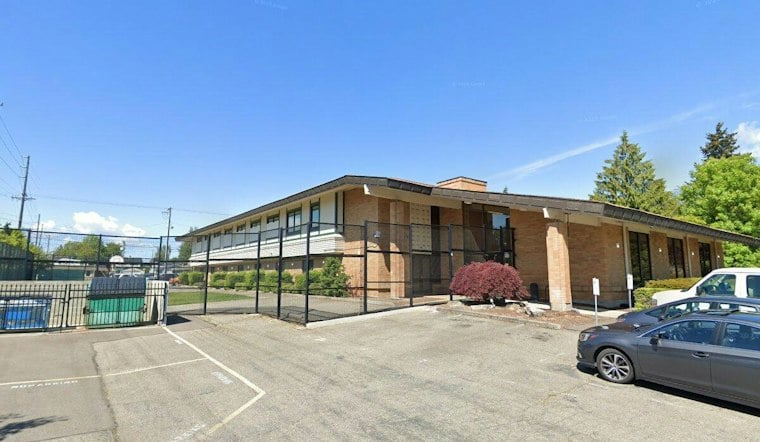
A Tacoma facility that treats some of Washington's most severely mentally ill children is shutting down next month, eliminating a quarter of the state's long-term psychiatric beds for kids in the process. Pearl Youth Residence, run by Comprehensive Life Resources, is set to close on Nov. 21, a move that will lay off 92 employees and leave families with even fewer options for intensive inpatient care.
Washington will lose 25% of its long-term psychiatric beds for children once the facility closes, according to KING5.com. Pearl Youth is one of four Children's Long-term Inpatient Program, or CLIP, sites in the state, and its last day of operations will be Nov. 21, per Behavioral Health Business. The CLIP Administration describes the program as the most intensive inpatient psychiatric treatment available to Washington residents, serving youth ages 5 to 17 and funded primarily through federal and state Medicaid dollars.
The Tacoma facility has a capacity of 27 beds but was down to just 16 patients as of Sept. 28, according to Northwest Public Broadcasting. That shrinking census reflects a deeper staffing crisis: Pearl Youth stopped admitting new patients in December because it didn't have enough staff to care for them, and its population fell to 17, FOX 13 Seattle reported.
Years of Losses and Staff Turnover
The closure didn't come out of nowhere. Pearl Youth Residence has posted $3 million in operational losses since 2020, the same Behavioral Health Business report found. Staff turnover hit 114% in 2024 and remained near 70% at the time of that report's publication — a churn rate that would make it difficult for any facility to maintain consistent care for children with severe psychiatric needs.
The News Tribune reported that a state layoff notice lists 92 employees affected by the shutdown, and that Comprehensive Life Resources said it would advocate for more community-based care options so that young patients could get treatment closer to home. Sources differ on exactly how long patients typically stay in such programs: The News Tribune put Pearl Youth's average stay at about six months, while the CLIP Administration's own site lists a nine-month average length of stay across CLIP programs generally.
There's also disagreement over the total number of beds at stake statewide. The CLIP Administration's main site states there are 109 beds across the four programs, while a separate page on the same organization's website puts the figure at 94. Either way, Pearl Youth's closure represents a significant slice of an already strained system.
A System Already Stretched Thin
Washington's long-term inpatient facilities have struggled with full capacity for years because of staffing and funding shortages, according to the Yakima Herald-Republic. Even with a newer state care coordination system meant to match kids with beds, at least one in six children served by that system still end up sent out of state for residential care, the paper reported. Between January 2024 and June 2025, the coordination team fielded an average of seven referrals a month, per the same report.
The wait for a bed can stretch for months. The Seattle Times found that children ages 6 to 13 on Washington's long-term-care waitlist waited an average of 144 days in the first quarter of 2022, while those ages 14 to 18 waited 96 days. The state contracts with three private facilities — Tamarack, Pearl Youth and Two Rivers Landing — and runs a fourth, the Child Study and Treatment Center, according to the Times. FOX 13 Seattle reported the state pays Tamarack $880 a day for long-term care, less than half the potential daily cost of boarding a child in an emergency room instead.
Pearl Youth isn't the first youth psychiatric unit in Washington to close its doors in recent years. Providence Sacred Heart Medical Center in Spokane shuttered its Psychiatric Center for Children and Adolescents in 2024 after turning down a $1.8 million state grant that it had been awarded in full, according to InvestigateWest. That unit had been operating at an annual loss of $2 million, per its own grant application, and its closure reduced available acute youth mental-health services across Eastern Washington, the Washington State Standard reported.
Broader hospital trends help explain why pediatric psychiatric capacity keeps shrinking even as need remains high. Hospitals nationwide closed nearly 30% of pediatric inpatient units between 2008 and 2022, compared with just a 4% decline in adult inpatient units, InvestigateWest found. FOX 13 Seattle has described the pressure on Washington's facilities as part of a broader mental health workforce crisis that has fueled high turnover and serious understaffing at pediatric psychiatric programs across the state.




