

























































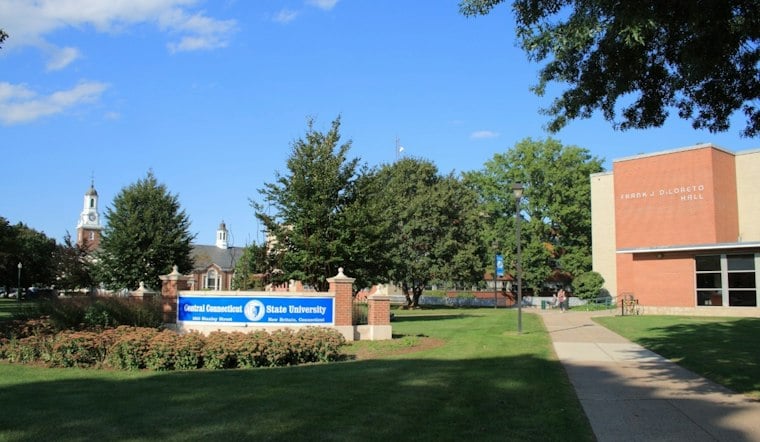
Juanita James stepped down as vice chair of the Connecticut State Colleges and Universities Board of Regents on September 28, citing what she called a dysfunctional culture and political infighting that made it impossible for her to continue. Her resignation lands just days after Central Connecticut State University President Zulma Toro and Board of Regents Vice Chair Juanita James left their posts within the same week, deepening a leadership crisis that has now claimed three top officials across the state's public university system in a matter of days.
James, who said she joined the board to put more than 40 years of higher-education experience to work for students and the state's economy, wrote in her resignation that internal problems made it impossible to continue, adding, “This is a no-win situation for everyone, especially the students that we are here to serve,” according to the New Britain Herald. She also criticized former Interim Chancellor John Maduko's conduct and said public attacks and rumors had created obstacles to progress within the system. Her departure came the same day CCSU President Zulma Toro stepped down following an internal investigation into employee complaints alleging workplace bullying and intimidation, as reported by FOX 61.
A System Already Reeling From Scandal
The twin resignations arrive five months after Maduko himself resigned as interim chancellor following an employee's allegations that he sent sexual messages and made sexual comments over roughly two years, per the Herald's reporting. An independent review released September 17 found an overall failure by multiple individuals in how CSCU handled the sexual harassment allegations involving Maduko, the newspaper reported. A separate 74-page investigation by consulting firm Grand River Solutions, detailed by the CT Examiner, found that CSCU officials had been notified of sexual misconduct concerns about Maduko as early as October 2022, while he was president of CT State Community College, but never logged those complaints in system databases or adequately vetted his background before promoting him.
That same investigation found CSCU had no clear operational policy for handling Title IX complaints filed against a sitting or former chancellor, which led administrators to wrongly assume the system could not investigate past executives, according to the CT Examiner's reporting. The confusion allowed complaints to stall or close outright once an official resigned. State law instead directs discrimination claims against agency heads to the Commission on Human Rights and Opportunities, a structural gap the report says left allegations against Maduko effectively unresolved for years.
Lawmakers From Both Parties Push Back
State Rep. Gary Turco said he was deeply concerned about leadership problems within CSCU and called for stronger oversight of the system, while also recognizing the work of board members, administrators, professors and staff who continue supporting students, the Herald reported. Turco said the system needs increased oversight and possibly cultural changes at the highest levels of leadership, and said he was willing to work with Governor Ned Lamont and fellow lawmakers on potential reforms. He agreed CSCU needs greater transparency and accountability, and said a full review of previous leaders' failures is necessary to prevent the problems from recurring.
Republican state Sens. Henri Martin of Bristol and Jeff Gordon of Woodstock also criticized the situation at CSCU, questioning who would lead the search for a new chancellor and raising concerns about the system's leadership and use of taxpayer money, per the same Herald account. The two senators said taxpayers, students and staff deserve leadership, transparency and accountability from a system that requires $1.2 billion annually to operate. Gordon followed up with a formal statement on September 24 calling for expanded legislative oversight of CSCU, arguing that administrative resignations must not be allowed to terminate public accountability or shield past institutional failures, according to Connecticut Senate Republicans.
Months of Turnover at the Top
James's exit is the second high-profile Board of Regents leadership departure in five months. Board Chair Marty Guay resigned in May amid mounting political criticism over the board's initial handling of harassment complaints against Maduko, after which regent Ari Santiago took over as interim board chair, according to the CT Mirror. Following Maduko's departure, the board appointed former Connecticut State Comptroller and gubernatorial general counsel Natalie Braswell as interim chancellor in May, tasking her with stabilizing operations and overseeing compliance reforms effective June 15, per the Connecticut State Colleges and Universities system.
Faculty across CSCU's state universities and community college campuses passed formal votes of no confidence in system leadership in late May, citing frustration over administrative scandals, transparency and budget allocations, the CT Mirror reported. Democratic legislative leaders, including Senate President Pro Tempore Martin Looney and Majority Leader Bob Duff, had already issued a joint statement in May demanding a complete report from the Board of Regents on Title IX compliance failures and warning against what they called a culture of permissiveness, according to Connecticut Senate Democrats.
What Happens Next
Governor Ned Lamont's office is reviewing the board's membership and expects to make new appointments soon, the Herald reported. The Board of Regents for Higher Education, created by the General Assembly under Public Act 11-48 in 2011, comprises 15 voting members — nine appointed by the governor, four by legislative leaders and two student representatives — alongside eight non-voting ex-officio state commissioners, according to the Connecticut State Colleges and Universities system.
The stakes extend well beyond Hartford boardrooms. CSCU encompasses 16 physical campuses and six satellite locations statewide, serving nearly 100,000 students during the 2024–2025 academic year, with 95 percent of them Connecticut residents. As lawmakers from both parties press for statutory reforms, the central question remains whether a wave of executive resignations will satisfy public demands for accountability or whether the General Assembly will move to restructure how the system polices its own leaders.



