

























































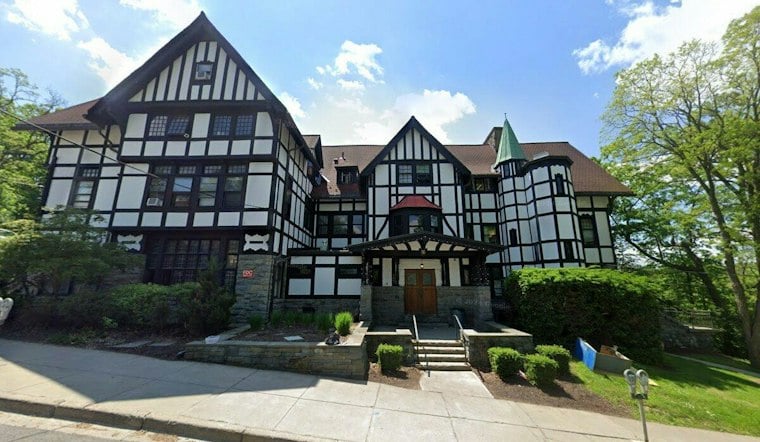
Eight fraternity houses owned by Cornell University carry a combined estimated market value of roughly $12.85 million — and every single one of them is listed as completely exempt from city, county and school property taxes. Now Tompkins County lawmakers want to know why, directing the county attorney to dig into whether that exemption still makes sense.
According to a review by CNY Central, county lawmakers have instructed County Attorney Maury Josephson to examine whether Cornell-owned fraternity properties should continue qualifying for tax exemptions at all. Tompkins County assessment records currently classify every one of those exemptions as educational, the station reports. The review will weigh the legal basis for the exemptions, which properties actually qualify, and whether the way they're being used today should change that calculation.
Importantly, nothing changes yet. The legal review does not immediately change the tax status of any property, and all eight houses remain exempt while officials sort through the question, per the same report.
A Dormant Chapter, Still Tax-Free
One property drawing particular scrutiny sits at 107 Edgemoor Lane in Ithaca: the Chi Phi fraternity house. The Chi Phi chapter is now considered dormant, but Cornell University remains its listed owner, CNY Central notes. Despite the chapter's inactive status, the property's taxable value is listed as zero for city, county and school property taxes.
Its estimated market value is approximately $1.62 million, according to Finger Lakes1. Folding that dormant property into the total pushes the combined value of all eight Cornell-owned fraternity properties to about $12.85 million — up from more than $11.2 million across the seven recognized, active fraternity houses alone, the outlet reports.
Two Other Houses Add Millions More
Two other properties named in the review sit just a few doors apart on South Avenue in Ithaca. The Delta Upsilon house at 6 South Avenue carries an estimated market value of approximately $1.87 million, while the Delta Kappa Epsilon house at 13 South Avenue is valued at approximately $1.65 million, the cnycentral.com report states. Both are listed as wholly exempt from local property taxes, just like the rest of the portfolio under review.
County assessment officials say Cornell-owned Greek housing has received tax exemptions for decades, and that practice followed earlier litigation involving Cornell and the city of Ithaca, according to the station's reporting. But university ownership alone doesn't settle the question going forward. Josephson's office has said university ownership does not automatically establish eligibility for an exemption, and that his review could weigh arguments for both taxation and continued exemption, per Finger Lakes1.
Why a Frat-Tax Question Resonates Beyond Ithaca
The scrutiny lands in a county where tax-exempt land already carries enormous weight. Tax-exempt parcels make up 60% of Ithaca's total property value, according to a report from Ithaca.com. If all city property were taxable, the publication reported, the city tax rate would drop more than 50% and the Ithaca City School District's rate would fall 45%.
Tompkins County's 2022 assessment data showed more than $2.7 billion in Cornell city property exempted from taxes, with the university's total tax bill across local governments and the school district landing around $2.8 million, the same report found. Against that backdrop, eight fraternity houses worth $12.85 million represent a small slice of a much larger exemption picture — but one that's now drawing direct legislative attention.
State tax guidance offers a narrow legal opening for this kind of exemption. A New York State legal opinion from the Office of Real Property Tax Services notes that an exemption may be granted where a fraternity house is owned by, and under the complete control of, the college or university attended by its residents. Whether that standard still applies to a dormant chapter's house, or to Greek houses functioning largely as off-campus student rentals, is precisely the kind of question Josephson's review is expected to sort through.
CNY Central reports it reached out to Cornell University for comment on the exemptions and the university's oversight of its Greek housing but has not detailed a response. The county attorney's review continues, with no timeline yet for when it might conclude or what, if anything, it will recommend changing about the properties' tax status.





