

























































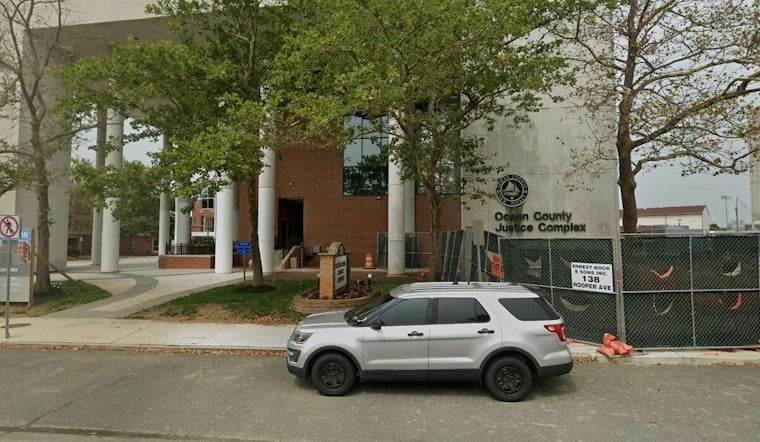
Toms River Mayor Daniel Rodrick filed a lawsuit Friday, October 30, 2026, against the township's own Municipal Utilities Authority, seeking to end what he calls patronage health benefits worth roughly $227,250 a year for seven politically appointed commissioners. The suit, filed in Ocean County Superior Court at 4:35 p.m., names both the MUA and all seven commissioners as defendants and argues their compensation packages blow past a local cap of $2,000 per year for authority board members.
According to Shore News Network, Rodrick is suing individually as a municipal taxpayer and utility ratepayer, alongside the Township of Toms River itself. The complaint, filed by attorney Donald F. Burke of Brick, New Jersey, leans on Township Ordinance § 71-1f(1), which limits compensation for an authority board member to no more than $2,000 annually, while still permitting additional pay for someone who holds a separate, valid appointment as an authority officer, agent or employee. The lawsuit argues health insurance, pension contributions and other economic benefits should count toward that $2,000 ceiling unless a commissioner holds one of those separately appointed qualifying roles.
Central to the case is the MUA's adopted 2026 budget, which the lawsuit says lists all seven commissioners receiving $2,000 annual stipends on top of individually budgeted estimated additional compensation — figures that add up to roughly $227,250, or $241,250 when the stipends themselves are included. Per the complaint, these budgeted amounts are estimates rather than verified payments actually disbursed.
A Dispute That Has Simmered Since 2020
Commissioner Medical Enrollment The MUA confirmed to Shore News Network that six appointed officials are currently enrolled in medical plans: Valvano, Brilliant, Pascarella, Braaten, Ellenbogen and Sevastakis.
All seven MUA commissioners are appointed by majority vote of the Township Council, as Shorebeat has reported, and Rodrick's broader push to eliminate the authority altogether has repeatedly stalled at the council level. The council failed to support a measure to dissolve the MUA and shift its duties to the municipal government, and the station's report notes Rodrick's effort to kill the authority entirely was blocked by the council as well. Separately, the council reappointed Phillip Brilliant in a 4-3 vote to a new five-year MUA term running from February 1, 2026 through January 31, 2031, and lawmakers also tabled, by a 4-3 vote, an ordinance addressing commissioner health benefits, with Nivison, Bianchini, Clinton Bradley and Council President David Ciccozzi voting to table it.
Conflicting Numbers on What Benefits Actually Cost
Exactly how much any single commissioner's benefits are worth remains murky, and different reports offer different figures. One account values the healthcare benefits at about $43,600 annually for a family of four, per the same outlet's reporting. Commissioner Phil Brilliant has said his own benefits cost about $14,000 per year, while another estimate cited by Shorebeat put family plans as high as roughly $40,000. A separate report additionally claimed combined medical benefits for appointed commissioners and MUA executives cost taxpayers more than $345,000, though that figure has not been independently broken down between commissioner and executive costs. The MUA's board approved its 2026 budget with allocations to maintain free medical coverage for the appointed commissioners despite what one report described as commissioners working an average of just one hour per month.
What the Lawsuit Is Asking the Court to Do
The complaint argues the authority cannot sidestep the township's compensation limits simply by labeling payments as insurance or fringe benefits rather than salary. Township attorneys cite the 2016 New Jersey Supreme Court decision in Northwest Bergen County Utilities Authority v. Donovan, arguing that ruling supports limiting benefits that were not properly authorized by the governing body. The township is asking the court for a sworn accounting of commissioner compensation dating back to January 1, 2020 — covering health insurance premiums, pension contributions, stipends, reimbursements, refunds and other economic benefits — a review that could stretch back nearly seven years.
Beyond the accounting, the township wants a judge to invalidate any authority resolutions, policies or benefit enrollments that exceed what municipal law allows, and to order recovery of funds determined to have been improperly spent, subject to further court review. The complaint also requests appropriate transition arrangements for affected commissioners, potentially including the option to keep insurance coverage at their own expense where legally available, and seeks reasonable attorneys' fees if the litigation produces a measurable financial benefit for utility ratepayers. Jonathan Salonis signed the municipal verification as township business administrator, and Rodrick certified his own status as a taxpayer and authority ratepayer. The case has been assigned docket number OCN-L-003221-26.
A Familiar Fight From Bergen County
Toms River's clash over commissioner perks echoes a similar standoff in Bergen County more than a decade ago. In 2012, Bergen County Executive Kathleen Donovan fired seven commissioners from the Northwest Bergen County Utilities Authority after they refused to give up their stipends and health benefits, according to nj.com. Donovan had argued that part-time commissioners should not receive full stipends and health benefits for their service, citing a precedent set by then-Governor Chris Christie when he dismissed members of the Passaic Valley Sewage Commission. The authority appealed a state board order requiring commissioners to surrender those benefits, and then-NBCUA Chairman William F. Dator argued the board could not reduce salary and benefits mid-term, suggesting the issue would instead be handled through attrition. The 2016 state Supreme Court ruling is now being cited by Toms River's attorneys in their case against the MUA.





