

























































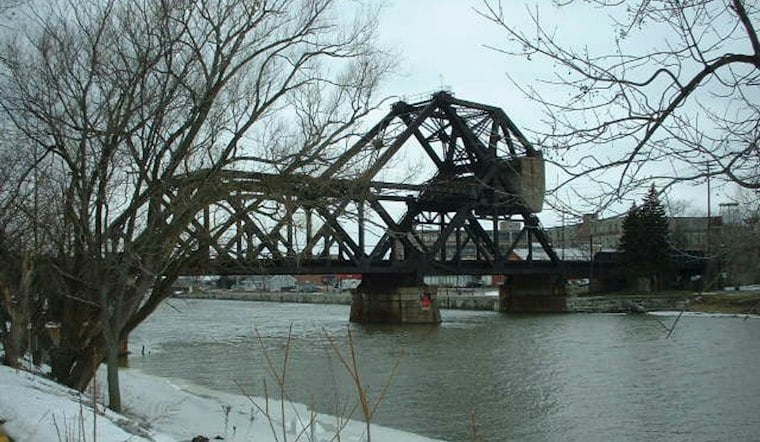
Trucks keep slamming into the Young Street railroad bridge in Tonawanda, and city officials say they are finally ready to try a fix that goes beyond paint and signage. The city plans to install a high-tech early-warning system using infrared sensors designed to catch over-height vehicles before they reach the century-old span, after the bridge has been struck at least 64 times since 2000, according to Tonawanda police department records.
The $1.2 million project will use infrared sensors to scan northbound and southbound traffic on Young Street for vehicles too tall to pass beneath the railroad bridge, triggering an electronic flashing sign that warns drivers to avoid the low bridge and take an alternate route, as reported by The Buffalo News. Federal funds will cover the cost through the National Highway Freight Program. The city plans to move the project forward.
A Century-Old Bottleneck With a Stubborn Problem
The bridge itself offers just 11 feet, 6 inches of clearance. The steel span dates back to 1918, according to WYRK, making it more than a century old and a key reason why raising or rebuilding the structure has proven so difficult. Young Street already has signs warning truck drivers of the maximum clearance, and the city banned truck traffic on a section of Young Street leading to and from the bridge back in 2019.
Even so, the crashes kept coming. The city has rejected calls to raise the bridge outright, and CSX, which owns the rail line, has said doing so would be a significant engineering project affecting numerous other bridges along the corridor. The bridge is inspected after every crash, and CSX has reported that it remains structurally sound and safe for train movements, per an email cited in the Buffalo News report. Bill Strassburg said the new sensor project should drastically reduce the number of trucks hitting the bridge.
GPS Apps Blamed for Repeated Strikes
Officials say the crashes largely come down to truck drivers following consumer GPS guidance without noticing the warning signs along the route. That same root cause has also been reported at Tonawanda's Young Street bridge: WGRZ found that by January 2024, cumulative crashes at the bridge had reached at least 81 strikes, averaging five to 10 collisions annually, with police attributing the pattern to truckers relying on consumer navigation apps rather than commercial-grade truck GPS units that account for vehicle height and local truck bans.
The Tonawanda Common Council is set to vote on freeing up city funds to advance the project while awaiting federal aid. The council is also set to vote on a resolution authorizing that initial funding.
A Statewide Problem, With a Working Model Nearby
Tonawanda's predicament is not unique. New York State experiences roughly 200 to 220 bridge strikes by over-height commercial trucks every year, with strikes frequently happening on parkways or other roads where low bridges are common, according to the U.S. Department of Transportation.
State officials have already tested the same fix elsewhere. In February, New York State completed an over-height detection upgrade at the CSX railroad bridge on Onondaga Lake Parkway, another notoriously struck span, installing dual infrared beams and full-color variable LED signage designed to prevent false alarms from snow or birds, according to the Office of Governor Kathy Hochul. That same month, the state also began adding eight points to a driver's license for over-height vehicle violations or striking a low-clearance bridge, a penalty that previously carried no license points at all.
Authorities have ticketed drivers for over-height violations, according to Traffic Hearing Lawyer.
For Tonawanda, the fix has been a long time coming. Federal funding of $1.2 million for the Young Street warning system was first announced back in July 2022 by federal and local officials, meaning the project will have taken over four years to move from initial funding to construction, as reported by WGRZ. The city expects the project to be completed next year, giving drivers on Young Street a flashing, real-time warning that static signage alone has failed to provide for decades.


