

























































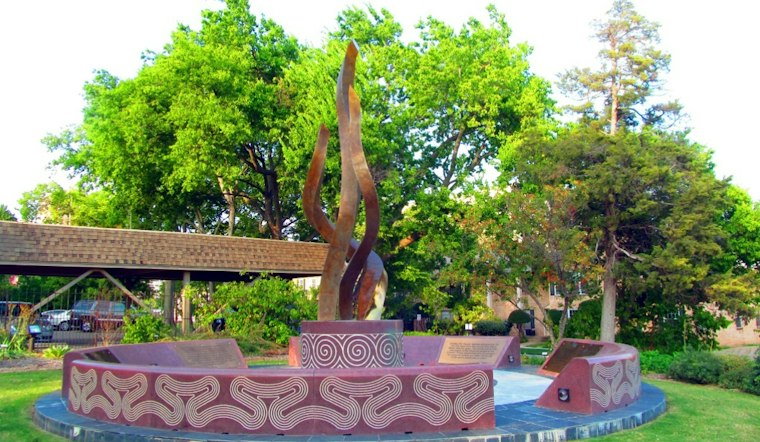
Tulsa is marking a full decade of Native American Day with its biggest milestone yet: the tenth annual celebration lands Monday, Oct. 12, at Dream Keepers Park, running from 9 a.m. to 4 p.m. with tribal leaders, a parade, a round dance, cultural performances, vendors and a social stomp dance rounding out the day.
This year's theme, “Sovereign Roots, Shared Future,” follows last year's “From Trails to Triumph,” according to crosswindsnews.net. The celebration kicks off with tribal leaders sharing updates and plans from their respective nations, the outlet reports, before tribal princesses are recognized and lead a round dance ahead of the parade, which steps off at 11 a.m.
Tulsa Mayor Monroe Nichols will serve as this year's parade marshal, per the same coverage. Twenty-two schools plan to march this year alongside businesses and organizations from Tulsa and the surrounding area, and roughly 80 Native vendors are expected to set up at the park, the report notes.
A Decade of Growth Since 2017
Tulsa's Native American Day tradition dates to 2017, when the City Council recognized the holiday on the second Monday of October and the celebration debuted that year, crosswindsnews.net reports. The City of Tulsa confirms the city began officially celebrating the day that year, though the event looked very different in 2020, when it moved entirely online under the theme “Protect the Sacred” because of COVID-19 safety concerns.
The celebration has since returned to in-person gatherings at Dream Keepers Park, where Tulsa held its ninth annual event in 2025, according to publicradiotulsa.org. Earlier iterations looked different still — Tulsa's second annual celebration in 2018 was held at Guthrie Green from 11 a.m. to 9 p.m., according to ktul.com, with a program that included an opening ceremony, cultural dances, a Cherokee marbles demonstration and performances by the Cherokee National Youth Choir before veterans closed the day at 6:45 p.m.
Cultural Showcase and a Festival Backdrop
This year's festival will also spotlight Cheryl Cohenour, commission member and president of the Native American Day committee, and feature Jessica Moore Harjo as the celebration's featured Native artist, per crosswindsnews.net's reporting. Duck Creek Ceremonial Ground is set to host an afternoon social stomp dance as part of the day's cultural lineup.
The Greater Tulsa Area Indian Affairs Commission is the official sponsor of Native American Day, and its mission touches on far more than a single festival day. The commission notes that the boundaries of three federally recognized tribes — Cherokee, Muscogee Creek and Osage — converge within the Tulsa metro area, and that Oklahoma overall is home to 39 federally recognized Native American tribes, according to the City of Tulsa.
Those same tribal boundaries overlapping within city limits help explain why Native American Day has grown into a signature Tulsa civic event rather than a niche gathering, drawing in schools, businesses and tribal nations from across the region each October.
Evening Music Event Adds a First at Cain's Ballroom
The celebration extends into the evening with a new addition this year: Cain's Ballroom will host its first full lineup of Native musicians for Indigenous Day, running from 6:30 to 10:30 p.m. the same night, as reported by crosswindsnews.net in a separate dispatch. The lineup includes country singer Blaine Bailey, R.C. Edwards of the Turnpike Troubadours, Choctaw singer-songwriter Samantha Crain, Cherokee-language songwriter Agalisiga “Chuj” Mackey and Cherokee-Muscogee tenor Kalyn Fay.
The Cain's Ballroom show is open to all ages, with tickets priced at $20 plus fees, the outlet reports. Paired with the daytime festivities at Dream Keepers Park, the evening lineup gives Tulsa's tenth Native American Day a two-part celebration spanning both a family-oriented afternoon and a dedicated Indigenous music showcase after dark.
Together, the day's events reflect a celebration that has steadily expanded since its modest 2017 debut, as noted earlier, into a citywide tradition anchored by parade marshals, tribal leadership, dozens of vendors and now a historic ballroom stage, as The Journal Record first reported.





