

























































Two New Mexico Pueblo nations have sued the federal government over a plan that would let the Pueblo of Jemez kill an eagle inside Valles Caldera National Preserve, arguing that the National Park Service conducted a flawed environmental review. The Pueblo of Santa Clara and Pueblo of Zia filed suit this week, asking a federal judge to block the permit and declare the agency's environmental findings unlawful.
According to a report by Courthouse News Service, the Pueblo of Jemez applied for a special use permit this month to conduct an eagle take in the preserve, a process that involves capturing or killing the bird. The Park Service published a finding of no significant impact clearing the way for that permit, prompting Santa Clara and Zia to argue the agency's decision violates the National Environmental Policy Act and seek an order blocking the take.
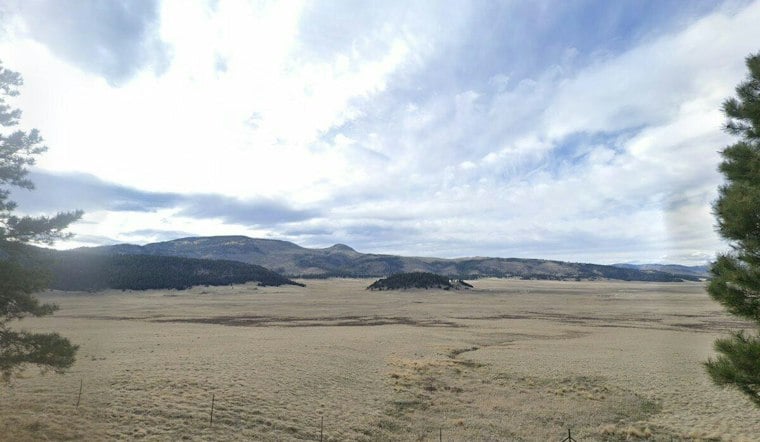
The two Pueblos say eagles are integral to their own cultural and religious practices at the roughly 14-mile-wide crater that makes up Valles Caldera, a site where Pueblo tribes have carried out religious and cultural practices for generations. They argue the preserve exists to protect, preserve, and restore wildlife, and that allowing harm to eagles there conflicts with their cultural and religious values.
Pueblos Challenge Environmental Review
Santa Clara and Zia say they objected to the permit during the environmental assessment's public comment period and later criticized the assessment itself for containing misleading or incorrect facts and flawed or incomplete reasoning, per Courthouse News. The Pueblos also say the Park Service provided no population studies or other information showing the eagle take would not adversely affect local eagles — a gap that goes to the heart of their legal challenge.
The Santa Fe New Mexican reported on a separate, earlier permit for a ceremony held in fall 2023, detailing a Park Service authorization allowing the Jemez Pueblo to kill one bald or golden eagle in a religious ritual. That outlet reported the underlying permit itself allows up to eight eagles to be taken, even though the agency limited the actual kill to one bird. Park Service Director Charles Sams wrote that capping the take at one eagle would not harm the region's overall populations of either golden or bald eagles, and the agency stated that bald eagle populations are known to be increasing.
The newspaper's report also noted that the Park Service waived a public comment period in that earlier process because there wasn't time to accommodate the short-notice permit request — a timeline pressure that stands in contrast to the Pueblos' complaint that they were shut out of meaningful input this time around.
Consultation Dispute Dates Back to 2023
Santa Clara and Zia say the Park Service is required by law to protect traditional cultural and religious sites within the preserve and is not authorized to permit activity beyond providing access to those sites. The Pueblos point to the National Historic Preservation Act, which requires consultation with other tribes before issuing this kind of permit — consultation they say did not happen when the Park Service issued an eagle-take permit in 2023 without notifying them, even though the Jemez Pueblo had previously received a special use permit for eagle take.
This time, the Park Service says it did consult other tribes, including Santa Clara and Zia, about the proposed permit, and the agency proposed a determination of no adverse effect. A National Park Service superintendent also met with the plaintiff Pueblos to discuss their objections, according to the suit. Despite those conversations, Santa Clara and Zia believe taking eagles in the preserve would profoundly and adversely affect their own cultural and religious relationship to the land, and representatives have said Valles Caldera should remain a sanctuary for eagles and other non-game wildlife.
The Pueblos also argue that allowing the eagle take would violate the Religious Freedom Restoration Act. The National Park Service did not provide comment when contacted by Courthouse News Service.
A Preserve Shaped by Centuries of Shared Use
Valles Caldera's history as contested but shared sacred ground stretches back long before this lawsuit. President Bill Clinton signed the Valles Caldera Preservation Act establishing the preserve on July 25, 2000, according to a federal court opinion published on turtletalk.blog, but Indigenous nations had already used the land for more than 800 years by that point. A 2019 memorandum opinion from the U.S. District Court for the District of New Mexico found that the Pueblo of Jemez had not established aboriginal title to the Valles Caldera, while noting that the caldera's geological features hold great spiritual significance for several Keres and Tewa Pueblos. That same opinion found that members of affiliated communities — including Zia, Santa Clara, San Ildefonso, and Kewa — have gathered plants, hunted game, harvested bird feathers, and collected rocks and minerals there.
Eagle permitting nationally sits within a broader regulatory framework: the U.S. Fish and Wildlife Service points to federal regulations under 50 CFR 22 governing permits for the taking, possession, and transportation of bald and golden eagles and their parts and nests. Research cited in the Santa Fe New Mexican's reporting also found toxic lead in 46 percent of bald and golden eagles sampled across 38 states, a statistic that underscores the broader pressures facing eagle populations even as wildlife officials describe bald eagle numbers as increasing.
It remains unclear how the court will rule on the Pueblos' request to void the Park Service's environmental findings, and the dossier of public records reviewed for this story does not resolve the disagreement between the parties over the actual state of local eagle populations. For now, the case adds Santa Clara and Zia to a growing list of parties — including environmental watchdogs who have separately pursued records requests tied to the Jemez ceremony — pressing the Park Service for more transparency over how it decides who may take eagles from one of New Mexico's most storied landscapes.




