

























































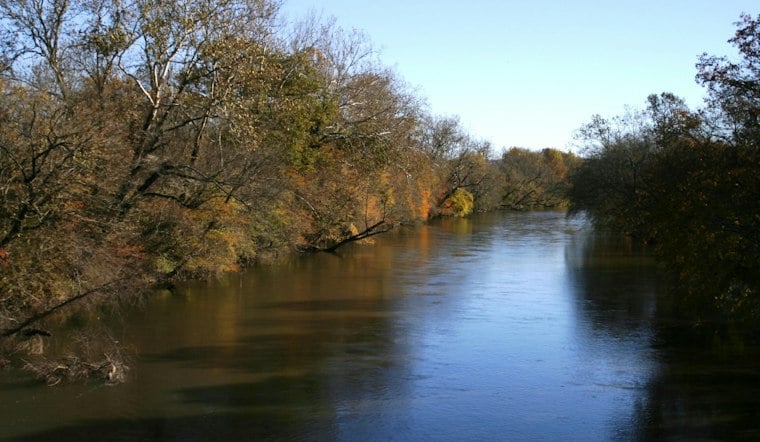
Two years after Hurricane Helene tore through Western North Carolina, stretches of the French Broad River are still clogged with PVC pipe that washed out of a plastics factory north of Asheville — and some of it may never come out. Cleanup crews have hauled hundreds of thousands of pipes from the water, yet debris remains scattered along roughly 70 miles of river reaching all the way to a lake near the Tennessee border.
The pipes trace back to an IPEX factory in Woodfin, where the company had been storing product outdoors before the storm hit in late September 2024, according to KLAS 8 News Now. Before it became part of a multinational supply chain, the 38-acre riverside complex was Silver-Line Plastics, a locally owned pipe manufacturer founded along the French Broad in 1962, according to Enlace Latino NC. IPEX, a Canadian subsidiary of the Belgian multinational Aliaxis, acquired the plant in 2019, and the site continued producing tens of millions of dollars worth of plastic pipe each year, much of it stored outdoors in unanchored bundles awaiting shipment, as detailed by The Assembly NC.
A Storm Bigger Than Anyone Planned For
IPEX had designed its Woodfin operations around a 100-year flood, a storm with just a 1% chance of hitting in any given year, and had moved pipe out of that anticipated flood zone. Helene's flooding turned out to be roughly 10 times worse than what the company had planned for, per the seed reporting. Johnny Drummond said IPEX simply never anticipated a storm on the scale of a 1,000-year flood — one with just a 1-in-1,000 chance of occurring.
IPEX has reported that 60% of the pipe it stored outdoors at the Woodfin site was swept away in the 2024 flood, though the company said it recovered most of that material fairly quickly afterward. The plant closed for a couple of months following the disaster, and IPEX says it suffered losses well over $100 million, later investing more than $100 million to repair and reinforce its buildings.
Crews Grinding Through a Years-Long Job
MountainTrue, the nonprofit leading much of the cleanup, runs about 10 crews totaling roughly 100 people, many of them former river or fishing guides who lost their livelihoods after the hurricane. The organization has already spent 50,000 work-hours and more than $1.5 million pulling pipe from the French Broad, and in some stretches, PVC pipe makes up as much as 80% of all debris found in the river.
Jon Stamper said some stretches of river have not been touched at all, and acknowledged that some pipe embedded in the riverbed may never be removed. Colleen Pritchett described the recovery effort as complex and resource-intensive, work that stretches on even as crews make steady progress elsewhere along the watershed.
Much of the funding behind that work comes from a $10 million state grant MountainTrue received in 2025, later extended from a December deadline to February. The funding came through the North Carolina Office of State Budget and Management and was sub-granted to NCDEQ. The 18-month initiative covers more than 150 miles of waterways across 25 Western North Carolina counties and the Qualla Boundary of the Eastern Band of Cherokee Indians, per the same agency's figures.
Pipe Piles, Pollution and a Growing Price Tag
On the ground, the work is grueling and physical. Crews cut longer pipe sections into smaller chunks, haul them out by boat to landing spots and then by truck, with cleanup piles sometimes reaching 20 feet high before hauling. Most of the recovered pipe is sent to landfills, though MountainTrue hands out some pipe in good condition to community members, and crews have prioritized removing pipe that poses immediate danger or entrapment risk to tubers and kayakers.
The stakes go beyond aesthetics. PVC pipe binds with other debris and embeds in the river bottom, where it can alter water flow and reshape the ecosystem, while posing entrapment risks to rafters and kayakers. Left in the water long enough, the pipe can also degrade into microplastics, a long-term contamination concern.
IPEX has agreed to pay MountainTrue $500,000 toward continued cleanup on the French Broad, and in September the company said it would work with Woodfin on an engineering study addressing flood preparedness and separately map remaining plastic to the Tennessee border, according to BPR News. Monitoring by MountainTrue indicates IPEX-branded PVC pipe accounts for roughly 40% of all recovered storm debris along the entire French Broad down to Douglas Lake in Tennessee, the outlet separately reported. That downstream reach extends well past North Carolina's border: in October 2025, MountainTrue secured a $750,000 grant from the Center for Disaster Philanthropy's Truist Foundation to expand cleanup operations across state lines into eastern Tennessee.
An Ancient River Still Bearing the Weight
The French Broad is estimated to be between 260 million and 340 million years old, predating the Appalachian Mountains and ranking among the oldest river systems in the world, according to RiverLink. It's also a central economic engine for the region's outdoor recreation industry, which makes the lingering pipe contamination more than a cleanup footnote for paddlers and anglers who depend on the waterway.
Hurricane Helene dumped more than 30 inches of rain on some parts of the region in September 2024, triggering landslides, toppling trees, displacing buildings and choking waterways across Western North Carolina. MountainTrue is now applying for additional grants to extend its program, but the organization expects that removing all the debris could take years — and some of it, Stamper has said, may simply never come out.



