

























































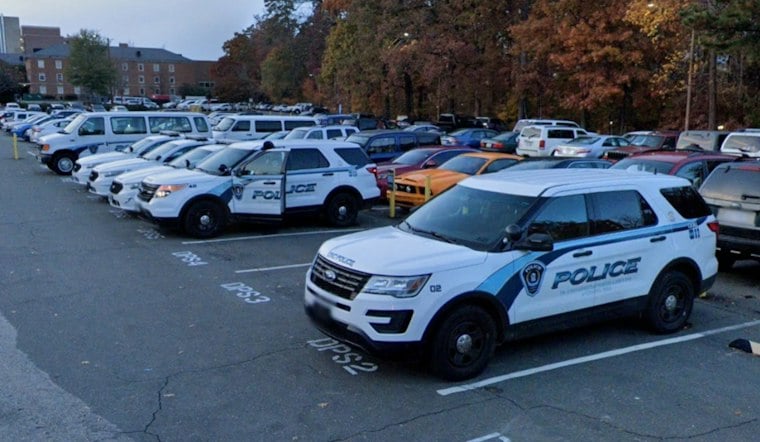
UNC Police has shut off automatic sharing of its Flock license-plate-reader data with other North Carolina law enforcement agencies, a change Chief Brian James says he made in recent weeks. Outside departments can still ask for information, but they now have to make a direct request and get it reviewed before anyone outside UNC can touch the data.
James briefed UNC's Faculty Executive Committee on the decision Monday, according to The News & Observer. “James made an executive decision to turn off that feature in recent weeks,” the paper reported, describing a system where, as James put it, “no one can independently look at our data.” UNC Police would still work with other agencies if there's a direct request for information, James said, but that request now runs through an internal vetting process before access is granted.
The university's 23-camera Flock network dates back to a contract signed Feb. 21, 2024, according to The Daily Tar Heel. Access inside the department has always been narrow: only supervisors and investigators had access to the cameras, the student paper's more recent report notes, and anyone running a search must log a reason, with those searches audited regularly. UNC Police conducts about 25 to 30 searches per month, the outlet reported, with most tied to investigator follow-up work.
No Sharing With Federal Agencies, Chief Says
James also addressed a question that has dogged campus Flock systems nationally — whether the cameras feed into immigration enforcement. UNC Police never shared data with any federal agencies, including Immigration and Customs Enforcement, the chief said, according to the same News & Observer report. He told the Faculty Executive Committee he has no intentions of reopening the sharing feature, as relayed by the Daily Tar Heel, unless something changes that warrants revisiting it.
That caution lines up with what's playing out elsewhere in the state. A few miles southeast, at UNC Pembroke, roughly 3,480 law enforcement agencies searched that campus's 10 Flock cameras more than 1.5 million times between April and July this year, according to Border Belt — with nearly 285,000 of those searches coming from four agencies in Texas alone. It's the kind of sprawling, out-of-state reach that has made campus police departments nervous about what automatic sharing actually exposes.
Part of a Broader Retreat From Flock Sharing
Part of a Broader Retreat From Flock Sharing UNC isn't alone in pulling back. North Carolina has its own examples: Hillsborough signed on to install Flock cameras in mid-2025 only to cancel the agreement, per UNC's own Media Hub. And just days ago, commissioners in the Pender County town of Atkinson became the first in the state to ban automated license plate readers outright, passing an ordinance Oct. 1 that applies to cameras from any ALPR vendor, including Flock, according to WECT.
Chief Signals He's Open to More Conversation
James has said he's aware of the potential for license plate readers to be misused, and he's indicated he plans to hold conversations with students about how the Flock technology is used on campus. He's also told faculty he's open to meeting with any of them who want to dig further into the issues surrounding the cameras — a sign that, even with automatic sharing off, the debate over how UNC's system should operate isn't finished.




