

























































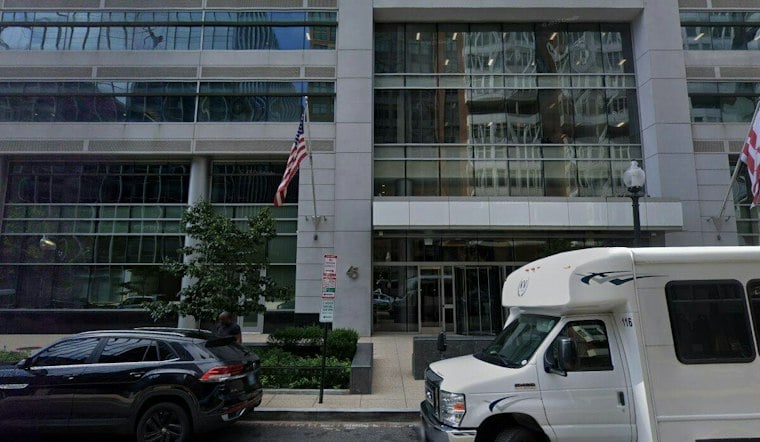
The United States is preparing to bar Chinese telecommunications companies from gaining direct access to U.S. phone numbers, a cheaper option that makes it easier for providers to offer advanced voice-over-internet features. The move would hit China Mobile, China Telecom and China Unicom, all of which have already faced years of federal restrictions over national security concerns tied to their U.S. operations.
According to Reuters, the proposal would also cover other IP-enabled service providers, the broader category of companies that convert voice calls into digital data for transmission over broadband connections. The Federal Communications Commission has signaled it may revoke direct number authorizations for Chinese companies it deems national security risks, and the agency has separately said it could ban providers that rely on equipment from Huawei or ZTE, both of which sit on the FCC's national security risk list.
A Pattern of Escalating Restrictions
This is not the FCC's first move against these carriers. The agency previously barred China Mobile, China Telecom and China Unicom from providing international telecommunications services to the United States, rejecting China Mobile's application outright in 2019. It went on to revoke U.S. operating authorization for China Unicom, Pacific Networks and ComNet in 2021.
Earlier this year, the commission said it was weighing whether to go further still: prohibiting American and other U.S.-based carriers from interconnecting at all with companies on its so-called Covered List, and potentially barring those firms from operating data centers inside the United States. The measures under consideration would also stop Chinese telecom firms from connecting to U.S. networks more broadly, according to the same Reuters report.
Companies Kept a Foothold Despite Earlier Bans
Those earlier crackdowns had a significant gap, according to a House China Committee investigation covered by Nextgov/FCW: the FCC actions did not require the companies to remove equipment, leave data centers or sever private network links, meaning the firms never fully left. The committee's probe found that China Telecom, China Mobile and China Unicom retained equipment, data-center space and network connections in the U.S. even after the restrictions took effect.
The same investigation uncovered striking numbers. China Mobile International's network appeared in routes to Salt Typhoon servers at least 192 times, the committee found, and investigators identified nearly 109,000 alleged unauthorized claims of U.S. internet addresses by Chinese or Hong Kong-linked networks between January 2018 and May 2025, more than 4,200 of which involved China Mobile-controlled networks.
Salt Typhoon Threat Still Active, FBI Says
In 2024, Salt Typhoon, a Chinese cyber espionage group, was involved in a widespread compromise of U.S. telecommunications infrastructure. The threat has not gone away. FBI cyber official Michael Machtinger said the danger posed by Salt Typhoon actors and the broader PRC intelligence apparatus and enabling infrastructure is, in his words, “still very, very much ongoing,” according to CyberScoop. The same report notes Salt Typhoon's intrusions have affected more than 80 countries.
The FCC has also taken action against smaller players linked to Chinese ownership. In July, the agency added California-based Digitalsystem Technology to its list of companies posing risks to U.S. national security, citing the firm's links to Chinese telecom companies and its ownership by a Chinese national. In a filing, the commission said Digitalsystem Technology's international telecommunications services pose an unacceptable risk to the national security of the United States or the security and safety of U.S. persons, according to the Federal Communications Commission.
Robocalls and Regulatory Stakes
Federal officials have framed the planned ban as partly aimed at preventing scam-related robocalls. FCC Chairman Brendan Carr said the decision would strengthen the commission's first line of defense against bad actors and illegal robocallers, per Reuters. The agency's numbering-policy proposal, as outlined in commission documents, touches on illegal robocalls, customer knowledge requirements under the TRACED Act, numbering resources and telephone number requirements for IP-enabled service providers.
The Chinese Embassy has not issued comment on the newly planned measure. The FCC has not published the full legal text of the direct-number proposal, leaving questions about exemptions and an implementation timetable.





