

























































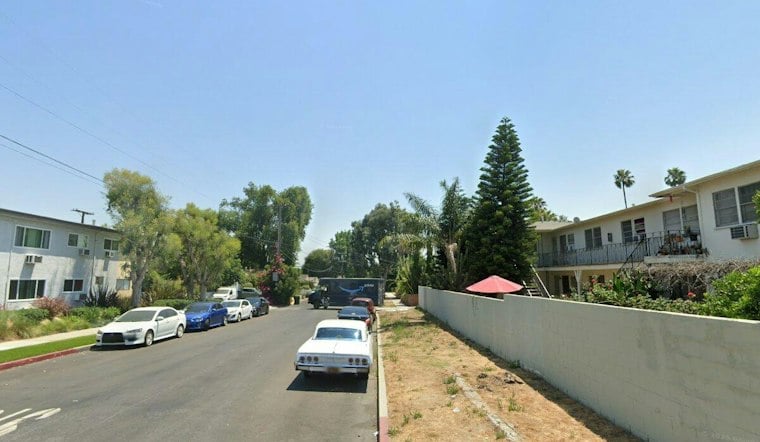
Debbie Stopeck and her neighbors in Valley Glen pay more than $12,000 a year to keep six private surveillance cameras running on their streets, hoping to catch criminals in the act. But according to LAPD data, five crimes have been reported in the neighborhood since the cameras went up in April 2025, and not one has led to an arrest.
The cameras came after a robbery struck close to home. As reported by NBC Los Angeles, Stopeck and her neighbors pitched in to purchase six Flock cameras following that April 2025 robbery, footing a bill that now tops $12,000 annually to keep the system operating. Stopeck watches the live feed on her laptop and says it helps her identify people walking the street, telling the station the cameras give her a strong sense of security.
Despite that peace of mind, the numbers tell a more complicated story. NBC4 Investigates found that none of the five incidents captured by the Valley Glen cameras resulted in an arrest, even though Stopeck sends police license-plate screenshots or live video footage when something looks off. Still, some residents in the neighborhood want even more cameras installed on their streets, and Stopeck herself has said she'd like one posted at every neighborhood entrance.
Why Police Can't Just Tap Into the Footage
Part of the disconnect comes down to access. The LAPD has said it has no access to any Flock cameras throughout the city, including the privately purchased ones watching over Valley Glen. Instead, police rely on homeowners to hand over footage voluntarily, treating it much like Ring doorbell clips or cellphone video submitted during an investigation.
That arrangement sits inside a bigger shift happening at City Hall. The Los Angeles Police Commission suspended the LAPD's own use of Flock Safety automated license-plate readers, citing privacy and data-collection concerns, according to the same NBC Los Angeles report. The reversal has left neighborhoods like Valley Glen filling a surveillance gap with their own money while the city figures out what, if anything, should replace it.
A Streetlight Camera Pilot Hangs in the Balance
City leaders are now weighing a very different approach: mounting cameras directly onto city streetlights. The Public Safety Committee, a five-member body, has been considering a no-cost agreement with Axon Enterprise for a three-month pilot that would clamp license-plate readers to streetlight tops and draw power from the lights' own electrical connections, per NBC Los Angeles's reporting.
That plan has already triggered a tug-of-war inside City Hall. The Board of Police Commissioners approved the pilot program in September, but the City Council voted on October 6 to assert jurisdiction over that decision, according to the same outlet's reporting. As the Daily News reported, the Public Safety Committee then voted 3-2 to oppose the Axon contract and recommended vetoing the pilot altogether. The full council is expected to take up the matter on October 27.
Signs, Deterrence and a Debate That Isn't New
Back in Valley Glen, the cameras arrived alongside something simpler: warning signs posted around the Sunnyslope Avenue area telling drivers and visitors they're under 24/7 surveillance. Dan Levy has said those signs may be enough on their own to deter someone thinking about a burglary, even before a camera ever records them.
The debate over whether private or public license-plate cameras actually deliver results isn't confined to one Valley Glen street. Statewide, at least 230 California police and sheriffs' departments have posted or installed thousands of these cameras, according to CalMatters, and lawmakers are now considering limits on how long agencies can retain that data, how they access it and with whom they share it. CalMatters also reported that Berkeley's 52 Flock cameras were tied to 121 cases, 58 arrests and 37 recovered stolen vehicles last year, a very different outcome than what Valley Glen has seen so far.
Elsewhere, the backlash against this kind of surveillance has been even sharper. Mill Valley suspended its use of license-plate readers and video cameras entirely over privacy and civil-liberties concerns, as reported by the Marin Independent Journal, following the Central Marin Police Authority's decision in August not to renew its own Flock contract. For now, Valley Glen residents are sticking with their private setup, betting that the cameras are worth the cost even without an arrest to show for it.





