

























































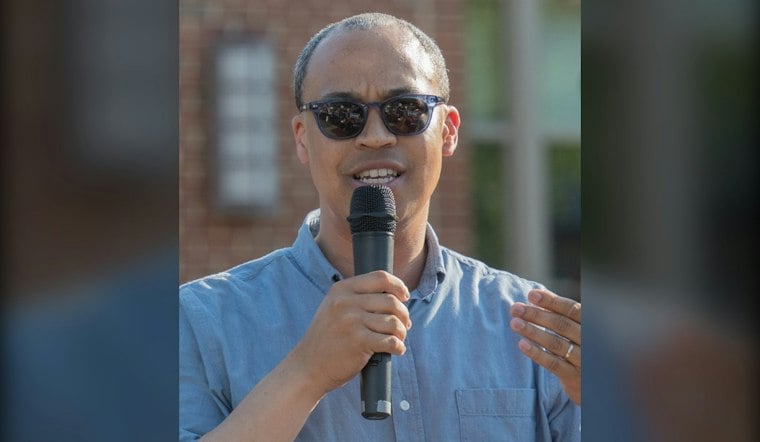
Virginia Attorney General Jay Jones announced a new Voter Protection Section on Tuesday, standing up a team of lawyers to investigate voting-rights complaints just three weeks before the November 3 midterm elections. The section will probe improper voter-registration cancellations, absentee-ballot denials, voter intimidation and interference with election administration across the commonwealth.
According to Virginia Mercury, the section is described as a team of dedicated lawyers whose job is to investigate voting rights violations and enforce state election laws. The unit will also review proposed election changes before they take effect and look into complaints involving discriminatory redistricting, polling-place changes and language access, as reported by Yahoo News. Jones said the section gives voting rights a permanent home and a dedicated team for defending them and enforcing state law.
A Former DOJ Attorney Takes the Helm
Leading the new section is Ajay Saini, a former trial attorney with the U.S. Department of Justice. The section's team will coordinate with the Virginia Department of Elections and the attorney general's Federal Accountability Unit, Saini said, per the same account. Saini also framed the work as never-ending in a state that votes annually, telling Augusta Free Press that Virginia holds elections every year, so this is year-round work.
Jones said the issue is personal, describing the history of sacrifice and organizing behind voting rights as something he carries into the job. He has also encouraged Virginians to use mail ballots, drop boxes and early voting ahead of the midterms.
Enforcing a Law Born From a Landmark Shift
The section's central mandate is enforcing the Virginia Voting Rights Act, passed by lawmakers in 2021 to prohibit election practices that discriminate based on race, color or membership in a language minority group. The law made Virginia the first Southern state to adopt its own voting rights act, with then-state Senator Jennifer McClellan, now a Democratic congresswoman representing Richmond, helping lead its passage.
The state law covers redistricting, polling-place relocations and consolidations, restrictions on language assistance, and changes to how governing bodies and local school boards are elected. It requires local governments to provide public notice and a chance for comment before certain election changes, and it lets voters challenge changes in court or lets localities seek attorney general certification that a change does not violate the act. Virginia had previously been subject to a federal requirement that changes get approval before taking effect, until the U.S. Supreme Court struck down the formula determining which states needed that approval in 2013.
The 2024 Voter Roll Fight Still Looms
The section's focus on registration cancellations follows a 2024 dispute in which Virginia removed about 1,600 people from voter rolls under a program intended to identify noncitizens, voting rights organizations challenged the removals, and some eligible citizens reported that Department of Motor Vehicles record errors had raised questions about their citizenship. A federal court ordered the registrations restored, but on October 30, 2024, the U.S. Supreme Court temporarily blocked that order, as detailed by SCOTUSblog, which reported the order would have required Virginia to return more than 1,600 people to the rolls. Some affected voters ultimately corrected their registrations through local elections offices.
The section may encounter complaints involving voter intimidation and absentee-ballot denials.
What the Announcement Leaves Unanswered
Jones's office did not specify the section's staffing, budget or how voters would submit complaints directly to the new team. Under existing state regulation, general registrars must notify voters of an accepted or denied registration application within 30 days of receiving it, according to the Virginia Administrative Code. Separately, state law requires the Department of Elections to notify the appropriate general registrar when it receives notice of a felony conviction from a U.S. attorney, per the Virginia Code.





