

























































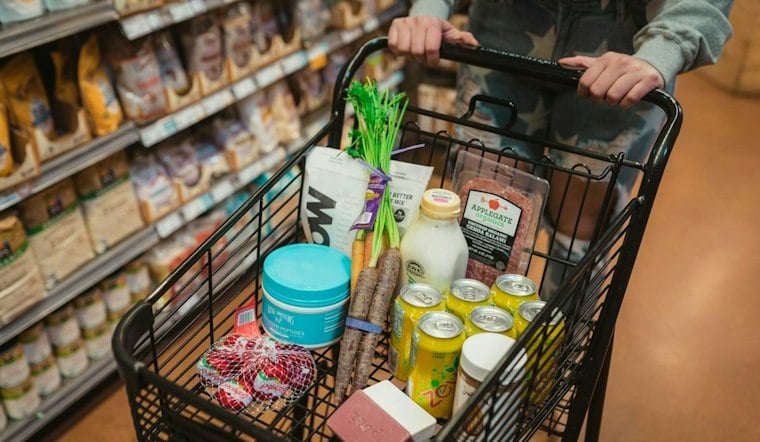
Virginia shoppers using SNAP benefits will no longer be able to buy soda, diet soda or carbonated energy drinks starting Nov. 1 — but they can still use those same benefits to buy a heavily sweetened lemonade or iced tea with just as much sugar in it. The carve-out has become the most talked-about wrinkle in a statewide policy Virginia formally requested on Nov. 4, 2025, and USDA approved on Dec. 10, 2025; it applies to every Virginia SNAP household with no opt-out available.
What's In and What's Out Under the New Rules
The restriction covers regular, diet and zero-sugar soda, carbonated energy drinks, and other carbonated beverages with at least 5 grams of added sugar per serving, according to Fox Richmond. Federal documentation from the U.S. Department of Agriculture Food and Nutrition Service specifies the restriction targets items commonly known as soda, diet or zero soda, pop, soft drinks and energy drinks. Plain or naturally flavored carbonated water and any beverage with less than five grams of added sugar are exempt, as are milk and milk alternatives, medically necessary nutrition products, and hydration-focused sports drinks, whether sugar-free or regular.
Noncarbonated drinks are untouched by the policy no matter how much sugar they contain. Lemonade, iced tea and juice remain eligible for purchase with SNAP benefits even when heavily sweetened, per the same federal filing. The Virginia Department of Social Services, in its own guidance, frames the change simply: starting Nov. 1, SNAP customers will no longer be able to purchase carbonated sweetened drinks with their benefits.
A Federal Waiver Two Years in the Making
Virginia adopted the restriction through a federal waiver intended to encourage healthier food and beverage purchases, Fox Richmond reports. The USDA approved the state's request in December, allowing the exclusion to run for two years, with its operative start date set for Sunday, Nov. 1, 2026. The approved project applies to the entire Virginia SNAP population — 100 percent of the caseload — and no household may opt out, according to the federal waiver document. The project is slated to run through March 31, 2028.
The policy will not reduce anyone's monthly SNAP benefit amount, and recipients will not need new EBT cards, Fox Richmond notes. Retailers are responsible for updating their own checkout systems to flag restricted items, and nothing stops SNAP recipients from buying soda or energy drinks with cash, debit cards or other non-SNAP payment methods.
Experts Question the Line Between Soda and Lemonade
Jamie Zoellner, a University of Virginia professor of public health sciences who studies sugary drink consumption, told Fox Richmond that a 12-ounce Coke and 12 ounces of lemonade contain roughly the same amount of sugar — about 10 packets' worth. She said carbonation alone is not typically what drives the health risks tied to sugary beverages; it is the added sugars and other ingredients that matter most. That overlap is part of why the carbonated-only distinction has drawn scrutiny from researchers even as the policy moves forward.
Zoellner also questioned the inclusion of diet and zero-sugar soda in the restricted category, noting that evidence on artificially sweetened beverages is nuanced and that some health organizations consider diet drinks an acceptable substitute for sugar-sweetened ones in moderation. She said water remains the preferred everyday beverage choice, but cautioned that whether the policy will measurably improve diets and health remains uncertain. Education and behavioral strategies, she said, matter alongside any policy change — which is the focus of her own research into helping families understand beverage choices, track consumption and identify healthier alternatives.
A Dietitian's Practical Advice for Families
Sonya Islam, a clinical dietitian with the Healthy Lifestyle Center at the Children's Hospital of Richmond at VCU, told Fox Richmond that beverages are an easy-to-overlook source of calories that can contribute to unexpected weight gain and crowd out food-derived nutrition. She encouraged families to check nutrition labels rather than judge a drink's healthfulness by its name or packaging, and suggested — while acknowledging it is not a universal rule — aiming for beverages with 30 calories or fewer for the portion intended to be consumed.
Islam also recommended diluting sweetened drinks with water to stretch them further and cut sugar intake; as an example, she suggested mixing a 100-calorie cup of lemonade with two parts water to one part lemonade. For alternatives, she pointed to unsweetened sparkling water or plain water flavored with citrus, frozen fruit, mint or cucumber. Still, she said families should not feel pressured to make every grocery purchase nutritionally perfect, and encouraged them instead to make sustainable choices that fit their household's needs and budget.
How Virginia Fits a Wider National Shift
Virginia is joining a fast-growing list of states restricting SNAP sugary drink purchases. Ten states rolled out the first such policies in the first half of 2026, according to the Becker Friedman Institute at the University of Chicago, and by July 2026 the number of states with approved restrictions had climbed to 23, per a working paper from the National Bureau of Economic Research. South Carolina began enforcing its own waiver in late August, covering candy, energy drinks, soft drinks and sweetened beverages, while Iowa's waiver was described as the most expansive in the country, restricting nearly all taxable food items with an exception for food-producing plants and seeds, according to Cleveland.com.
Early results from the first wave of states are mixed. The NBER paper found restrictions in those first 10 states cut average SNAP households' retail purchases of excluded drinks by 12 percent during the first half of 2026 — equivalent to about 34 fewer 12-ounce cans per person annually, as CBS News reported, based on a study tracking 15,000 SNAP households against those in states without restrictions. But the Becker Friedman Institute found that when states excluded only some sugary-drink categories, recipients diverted up to 39% of the excluded-drink calorie reduction into other non-excluded sugary beverages, including fruit juice. The NBER researchers also cautioned that because most households can simply switch to buying sugary drinks with non-SNAP funds, the overall effect on consumption remains unclear, and they found the restrictions increased SNAP recipients' perceptions of stigma by 0.17 standard deviations.
Virginia plans to evaluate its own results. For now, there is no Virginia-specific data on whether the policy is changing what SNAP households actually buy — that evaluation is still ahead, not behind.





