

























































Pinellas County’s latest quarterly report offers a reminder that applications and completed repairs are different measures of disaster recovery. It lists 182 applications to the county’s Homebuyer Assistance Program from April 1 through June 30, 2026, and 806 applications to date—not a count of homes repaired, according to the Pinellas County report.
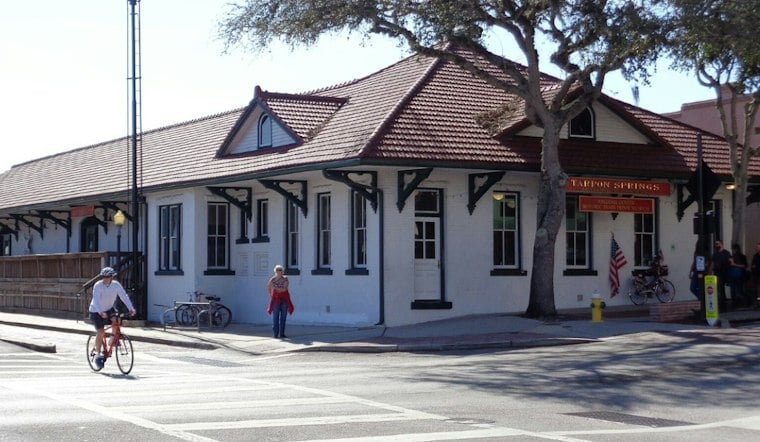
Against that longer recovery effort, volunteers gathered Thursday at Crissy Cladakis’s Tarpon Springs home, where work has remained unfinished nearly two years after Hurricanes Helene and Milton. The crew painted, cleared the yard and helped move the rebuild forward, NewsRadio WFLA reported. Strongward, the disaster-recovery nonprofit organizing the project, provided tools, safety gear and instructions; volunteers did not need construction experience.
WFLA reported that Helene’s storm surge sent about four feet of water into Cladakis’s home in September 2024, destroying much of what was inside. Milton followed weeks later and caused further damage, including to the ceiling and insulation. Cladakis still has not been able to move back. The report describes the volunteer work but does not establish that the house is now finished or ready for her return.
A local program—and limits to the counts
Pinellas County’s People First Hurricane Recovery Program is a separate public route for eligible residents affected by Idalia, Helene or Milton. The program has $813 million in federal funding, FOX 13 News reported. Reports have given different measures of applications: FOX 13 cited more than 8,000 residents applying, while Bay News 9 reported about 6,600 applications. Those figures come from different reporting dates and use different descriptions, so they should not be treated as a reconciled total or as a count of completed repairs.
Strongward’s work is another part of the recovery landscape. The nonprofit says it has rebuilt 119 Tampa-area homes since Helene and Milton and helped affected families secure more than $3.5 million in FEMA relief, figures WFLA attributed to the organization. Strongward also says more than 11,800 families in the region who qualify for its services are still waiting to rebuild. That broader figure does not specify how many households are in Pinellas County or share Cladakis’s circumstances.
A separate Florida recovery precedent
Hurricane Ian offers an earlier, distinct example of how home-repair work can continue after a storm. In Lee County, Habitat for Humanity of Lee & Hendry Counties says it used disaster-trained volunteers to assess homes; one homeowner applied for its Ian repair program in December 2022 and was approved two months later for a roof replacement and minor repairs. The organization’s account is a separate case, not evidence about Cladakis’s timeline or the Strongward project. FloridaCommerce lists $542 million for its separate Rebuild Florida Housing Repair and Replacement Program for Ian-damaged homes.
For Cladakis, Thursday’s effort meant painting and yard work at a home she still cannot occupy. It marks progress on one rebuild, but the available reporting does not say what work remains or when she may be able to return.





