

























































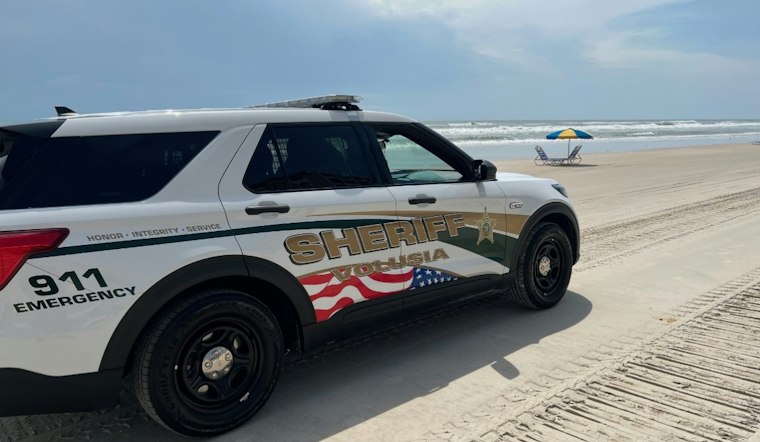
Volusia County Council members have signed off on a $2 million overhaul of the county's 911 dispatch system, a package of new software designed to figure out how serious an emergency really is before crews ever roll out the door. The goal, according to county officials, is simple but ambitious: get the right help to the right call at the right time, without burning out resources on complaints that do not need lights and sirens.
How the New System Will Work
Under the new setup, 911 dispatchers will walk callers through a set of targeted questions, and the answers will be fed into new software that analyzes them using specific algorithms to determine how serious the emergency is, according to WKMG ClickOrlando. Those same algorithms will help decide what gets sent to a scene and how urgently it needs to arrive, rather than treating every call the same way. The county council recently approved the purchase of the new $2 million system, according to the outlet's reporting.
Mark Wolcott, Volusia County's Emergency Medical Services administration director, framed the upgrade around a single priority. “Our primary focus is safer streets,” Wolcott said, per the station's report. He added that more benign complaints may allow advanced life support assets to remain available for the next call, meaning paramedics and equipment reserved for the most serious emergencies do not get tied up responding to situations that turn out to be far less urgent.
Live 911 Already Changing How Crews Respond
The new software will not work alone. Several Volusia County agencies have already adopted Live 911, a system that lets first responders listen to 911 calls in real time and start moving toward a scene before formal dispatch is even issued, the same report notes. Officials believe combining Live 911 with the new priority-dispatch algorithms could significantly speed up response times, though that improvement has not yet been measured since the system is not fully operational.
Live 911 is not new to the region. The Volusia County Sheriff's Office launched its own real-time version of the system in December 2023. Sheriff Mike Chitwood said at the time that it cut the lag between a 911 call coming in and a deputy becoming aware of it from three to six minutes down to less than a minute. With dispatchers and the new software expected to work in tandem, paramedics on the road will be able to make on-the-spot decisions based on real-time call audio and the algorithms' severity assessments.
AI Training Tool, Not an AI Operator
The $2 million package also includes an artificial intelligence component, but county officials have been explicit that it will not be used to answer 911 calls directly. Instead, the AI-powered piece is a training simulator that will allow dispatchers to practice handling a wide range of simulated emergency scenarios, according to WKMG ClickOrlando's reporting. It is meant to sharpen dispatcher judgment before real calls come in, not to replace a human voice on the line.
The distinction matters as other jurisdictions experiment with AI closer to the front lines of 911 operations. Oneida County in New York, for instance, rolled out an AI-powered non-emergency call-handling platform in March to field routine inquiries that do not require an immediate emergency response, according to Oneida County government. Volusia's approach keeps AI in a training and simulation role rather than handing it any part of live call handling.
A High-Volume System Under Pressure
The scale of what Volusia County's dispatchers and paramedics handle helps explain the push for smarter triage. Volusia County Emergency Medical Services receives 80,000 calls for service each year and transports 62,000 patients to area hospitals, and the department says it relies on advanced technologies and evidence-based pre-hospital medicine to keep up with that volume. Sorting out which of those tens of thousands of calls genuinely need a rapid, resource-heavy response is central to what the new dispatch software is built to do.
Full implementation of the new system is expected to take approximately six months, with county officials projecting it will be fully operational by spring 2027, per the same account from WKMG ClickOrlando. Until then, Live 911 remains the tool already helping first responders get moving faster, while the new algorithms and training simulator work their way through rollout.





