

























































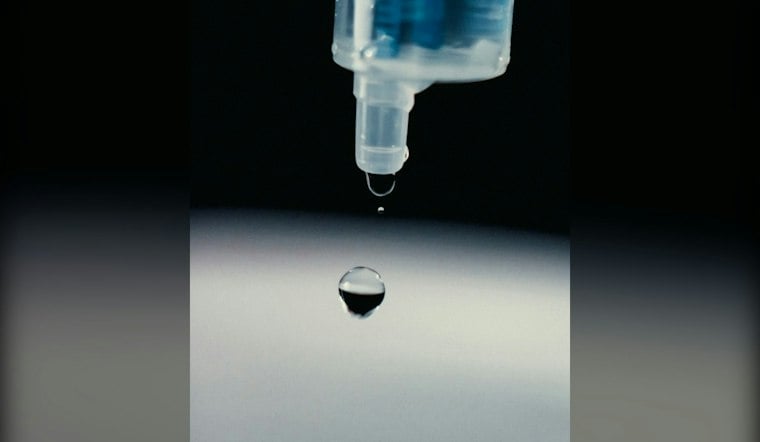
Nearly 750,000 units of eye drops and ointment are being pulled from store shelves nationwide after a contract manufacturer flagged a lack of sterility assurance across dozens of production lots. The recall touches nine different products sold under brand names including Walgreens, and health officials warn that unsterile drops applied directly to the eyes carry a real risk of infection.
The recall was voluntarily initiated by Sterling Pharmaceutical Services LLC, a contract manufacturer based in Dupo, Illinois, covering lot numbers 3161 through 3336, according to Wisevoter. The affected bottles carry printed expiration dates spanning from August 2026 through July 2027. The Food and Drug Administration formally classified the action as a Class II enforcement event on September 21, as reported by Clarin.com, meaning the agency believes exposure could cause temporary or medically reversible harm rather than more severe injury.
In total, the recall spans 747,844 units across nine products, according to the El Paso Times. Walgreens-branded items account for the largest share of that volume, with Clarin.com reporting 500,714 units split between single 15 mL bottles and two-count twin packs of 0.5% carboxymethylcellulose sodium lubricant drops.
What's on the Recall List
The affected products run well beyond the Walgreens label. Per the El Paso Times, the list includes 19,284 bottles of Cameron Pharmaceuticals Carboxymethylcellulose Sodium 0.5% Eye Lubricant in 0.5 fl oz bottles, plus two Avkare items: 12,864 packs of Avkare Carboxymethylcellulose Sodium Ophthalmic Solution 0.5% Lubricant Eye Drops in 15 mL bottles, and 107,377 two-count twin packs of the same formulation.
Reliable-1 Laboratories has two products on the list as well — 11,083 bottles of its 5% Sodium Chloride Hypertonicity Ophthalmic Solution and 47,616 bottles of its Lubricating Tears, both in 0.5 fluid ounce bottles, the El Paso Times reports. The Walgreens lineup itself breaks down into 301,114 bottles of Walgreens Lubricant Eye Drops Carboxymethylcellulose Sodium 0.5% and 199,600 two-count twin packs of Walgreens Lubricant Eye Drops, according to the same report.
Rounding out the list are 14,538 bottles of TRP The Relief Products Gentle Eyes Lubricant Eye Drops, also carboxymethylcellulose sodium 0.5%, and 34,368 tubes of Major LubriFresh P.M. Nighttime Ointment in 0.125 ounce (3.5 g) tubes, per the El Paso Times.
A Pet Product Recalled From the Same Plant
Sterling's sterility problems weren't confined to human eye care. The company also initiated a concurrent recall on August 20 for 57,848 packs of Puralube Vet Ointment, a non-prescription pet petroleum eye lubricant, after sterility issues turned up at the same facility, according to the MedShadow Foundation. The concurrent recalls involved human and animal eye-care products at the same facility.
This isn't Sterling's first brush with federal scrutiny. The FDA issued the company a formal Warning Letter in September 2022 after a February 2022 inspection uncovered major manufacturing violations, including inadequate environmental air monitoring in sterile processing rooms and unvalidated aseptic procedures, according to the agency's own enforcement records.
Why the FDA Treats Eye Drops So Strictly
Sterility is critical for eye drops because liquids applied directly to the eye bypass the body's natural defense barriers, leaving delicate ocular tissue vulnerable to microbial infection and corneal damage, per Collin Rugg News. Unsterile drops can introduce foreign pathogens that trigger inflammation or, in rare cases, permanent vision impairment.
That caution traces directly back to a 2023 outbreak of drug-resistant Pseudomonas aeruginosa linked to EzriCare Artificial Tears, which caused four deaths, 14 cases of vision loss, and more than 80 infections nationwide, as reported by Drugwatch.com. That outbreak marked the first U.S. report of the rare VIM-GES-CRPA bacterial strain.
Part of a Bigger 2026 Pattern
Sterling's recall is the latest in a string of large private-label eye drop actions this year. Hoodline previously reported on a 3.1 million bottle recall after California manufacturer K.C. Pharmaceuticals pulled private-label drops across 26 brand labels, including Walgreens, CVS, and Kroger, over sterility concerns in April. In July, Medtech Products Inc. voluntarily recalled more than 39,000 bottles of Clear Eyes Maximum Itchy Eye Relief drops after the FDA flagged sterility concerns tied to a single manufacturing lot, an action the agency also classified as Class II.
Sterling, a contract manufacturer based in Dupo, Illinois, initiated a recall of products sold nationwide after identifying sterility concerns.
What to Do if You Have These Products
Anyone who has used the recalled eye products and experiences pain, redness, discharge, or changes in vision should seek immediate clinical evaluation and tell their healthcare provider that the product was recalled. They should also tell their healthcare provider which recalled product they used. No injuries tied to this particular recall have been confirmed so far, and the FDA's Class II classification indicates the risk of serious harm remains remote.





