

























































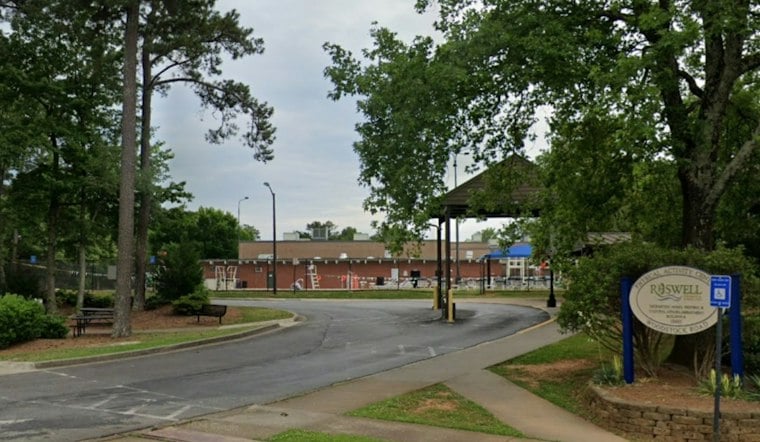
Mosquito samples collected at Roswell Area Park have tested positive for West Nile virus again, just weeks after the same park cleared an earlier round of treatment, Fulton County health officials announced Wednesday. The park remains open, with programs running as scheduled and warning signs posted for visitors, even as the state confirms its first West Nile death of 2026.
A Repeat Positive at a Park That Had Just Cleared
The Fulton County Board of Health said mosquito samples again tested positive at Roswell Area Park, according to Atlanta News First. It's a frustrating echo of earlier in the month: traps at both Roswell Area Park and nearby Garrard Landing Park had tested positive for the virus in early September, triggering treatment that brought follow-up results back negative by September 11, according to the Roswell Ledger. The new detection marks a second cycle of infection, spraying, and retesting at the same facility within a single month.
Per the same report from Atlanta News First, a contractor began treatment within a quarter-mile radius of the positive trap locations on Tuesday and continued that work Wednesday. Roswell officials have said they are preparing for retesting to confirm whether the treatment clears the site again. The park itself has stayed open throughout, with officials posting signs to warn visitors about the mosquito findings rather than closing the grounds.
How the Spraying Actually Works
Fulton County contracts with Vector Disease Control International to carry out the truck-mounted treatments, according to FOX 5 Atlanta. Crews perform ultra-low volume pesticide spraying from trucks moving at roughly 15 mph across a quarter-mile radius around each positive trap site, working during nighttime hours specifically to limit the impact on daytime pollinators and park visitors. The county then retests the area to confirm the treatment worked, the same cycle that cleared Roswell Area Park earlier this month before Wednesday's repeat finding.
The mosquito responsible for most West Nile transmission in metro Atlanta is *Culex quinquefasciatus*, the southern house mosquito, which breeds in stagnant, organic-rich water such as storm drains and clogged gutters and feeds mainly between dusk and dawn, per got bugs? Termite & Pest Solutions. That nocturnal feeding pattern sets it apart from the daytime-biting Asian tiger mosquitoes many residents associate with backyard bites; residents are urged to avoid outdoor activity at dusk and dawn.
Georgia Reports First Death of the Season
The repeat detection in Roswell lands amid a heavier statewide picture. The Georgia Department of Public Health confirmed eight human cases of West Nile virus statewide and the state's first death of the 2026 season, and officials expect the confirmed case count to keep climbing as testing continues. Most people infected with West Nile virus show no symptoms at all, according to the CDC, but the virus can cause illness ranging from mild to severe. Mild cases can include fever, headache, body aches, joint pain, vomiting, diarrhea or rash, while severe illness can bring neck stiffness, stupor, disorientation and muscle weakness.
Roswell isn't an isolated case. Mosquito traps have also tested positive for West Nile virus elsewhere in Fulton County, as well as in DeKalb County and Chatham County this season. Beyond Roswell, Fulton County health officials detected the virus in traps at Chastain Memorial Park, Welcome All Park, Old National Park, Orme Park, Frankie Allen Park, and Adamsville Regional Health Center, as reported by CBS News Atlanta, and Hoodline previously covered the Chastain Park spraying order. Municipal responses have varied across the county: South Fulton temporarily closed Old National Park over positive tests, while Roswell and Atlanta have generally kept parks open with warning signage during treatment.
Neighboring Counties See the Same Pattern
In neighboring DeKalb County, health authorities identified at least 10 positive West Nile virus mosquito surveillance traps between July and September across areas including North Decatur, Brookhaven, Doraville, and Redan, according to WABE. DeKalb Public Health responded with targeted larvicide treatments in local storm drains following those positive results, the same kind of source-reduction strategy Fulton relies on around its own positive trap sites.
The scale of this year's viral activity fits a pattern Fulton County has seen before. Historical CDC surveillance data shows Georgia logged 53 human West Nile virus cases in 2024, up from 19 in 2023, with Fulton County recording the state's highest county total at 18 human infections that year, according to Axios Atlanta. Nationally, preliminary CDC surveillance data through Tuesday recorded 987 total human West Nile virus cases across 43 states, with 750 of those cases, or 76 percent, resulting in neuroinvasive illness involving the central nervous system.
What Officials Want Residents Doing Now
The Fulton County Board of Health continues to urge residents to follow what it calls the 5Ds of mosquito bite prevention: avoiding outdoor activity at dusk and dawn, dressing in long sleeves, using DEET insect repellent, draining standing water, and repairing screens on doors and windows. West Nile virus is mainly spread through mosquito bites, according to the CDC, and eliminating standing water removes the primary breeding habitat for the mosquitoes that carry it.
The Georgia Department of Public Health notes that mosquito activity and West Nile transmission risk typically persist through the end of October, meaning Roswell Area Park and other treated sites across the metro area will likely need continued monitoring for several more weeks. Until sustained cooler temperatures arrive, officials say personal precautions remain the most important defense against infection, even as contractors keep cycling through treatment and retesting at parks like Roswell's.


