

























































Broqsten “Broxley” Bunt, a 36-year-old West Palm Beach man who survived childhood leukemia, went ahead with brain surgery last June even after his insurer refused to approve additional coverage for his out-of-network surgeon. Five months later, Bunt says the bills tied to that surgery, nearly $1 million worth, have been covered in full.
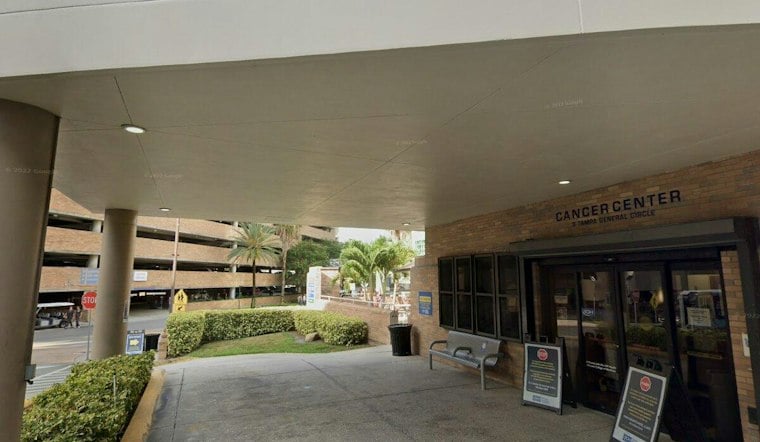
Bunt developed an aggressive meningioma that doctors believe is connected to the total-body radiation therapy he received as a child to treat his leukemia, according to Tampa Bay 28. His local neurosurgeon referred him to Tampa General Hospital and a specific neurosurgeon in Tampa after determining his case exceeded local capabilities, per the same outlet's reporting. Tampa General itself was in-network with Bunt's insurer, Florida Blue, but the surgeon handling his case was not, creating the coverage gap that would complicate his treatment.
Florida Blue denied Bunt's appeal for additional coverage of that out-of-network care in June 2026, telling him it still could not approve additional coverage or payment for out-of-network care, the station reported. Bunt had two denied appeals before the insurer eventually reversed its decision. Facing an aggressive tumor, he proceeded with surgery anyway. Doctors removed the tumor, leaving him with 57 staples in his head, and he is now medically cleared and says his recovery is going well, according to Tampa Bay 28's follow-up report.
Hospital Says Insurer Agreed to Cover the Full Case
Tampa General Hospital said hospital leadership and Florida Blue agreed to cover Bunt's preoperative workup, both surgeries, his hospital admission, and his postoperative care. The hospital confirmed the insurer paid the full hospital portion of his claim and said it continued working with Bunt until his deductible was reduced to zero, per the station's reporting. Bunt said the retail value of his billed care totaled $993,000, and that Florida Blue appears to have paid it.
Neither Tampa General Hospital nor Florida Blue explained what prompted the reversal, the station noted. Florida Blue said it could not discuss individual cases but said it works with members, doctors and hospitals through its appeals process. Bunt said he had no outstanding prescriptions or future medical needs tied to the case.
Bunt Credits Public Pressure, Keeps Pushing Advice for Others
Bunt said he believes news coverage raised awareness of the severity of his case and came before the reversal. He and his wife used social media, formal appeals, and news media to publicize his situation while he fought the denial. His advice to other patients facing similar insurance battles: keep pushing and keep reaching out.
Bunt's case follows a pattern documented elsewhere in Florida. A separate investigation by WTXL found that the station had uncovered Florida patients denied coverage for cancer treatments, surgeries and medications whose denials were reversed only after journalists began asking questions, often with no explanation offered by the insurer. WTXL also noted that federal data analyzed by KFF shows most health insurance claims are ultimately approved, though that data does not reveal how many were denied first.
Insurer-Hospital Disputes Have Been Climbing
The friction behind cases like Bunt's reflects a broader trend. The number of contract disputes between insurers and health systems nationwide rose from 51 in 2022 to 86 in 2023 and 133 in 2024, according to the Sun Sentinel. One such dispute between Broward Health and Florida Blue pushed Broward Health's hospitals, emergency rooms, physicians and specialists out of network, affecting 18,000 Florida Blue members, the paper reported.
Patients who hit a wall after an initial denial do have formal options. The Centers for Medicare & Medicaid Services says that if an appeal is unsuccessful, a patient may have the right to request an external review by a qualified outside third party. Florida Blue's own external-review request form states that such a request must generally be filed within four months of a final adverse benefit determination, though an expedited review can be requested when a delay could seriously jeopardize a patient's life, health or ability to regain maximum function.





