

























































Homeowners, renters and business owners across six Western New York counties can now apply for low-interest federal loans to repair damage from September's record-breaking flooding, after the U.S. Small Business Administration issued a physical disaster declaration covering the region. The declaration makes Erie, Niagara, Genesee, Wyoming, Cattaraugus and Chautauqua counties eligible for recovery funds tied to the storms that battered the area on September 3.
Governor Kathy Hochul announced the disaster declaration, as reported by WGRZ. “New Yorkers deserve every dollar possible to help rebuild from these devastating floods,” Hochul said, adding that she was thankful to federal partners who secured the declaration and funds to help Western New York recover, according to the same report. The declaration opens the door to SBA disaster loans for homeowners, renters, businesses and nonprofit organizations across the affected counties.
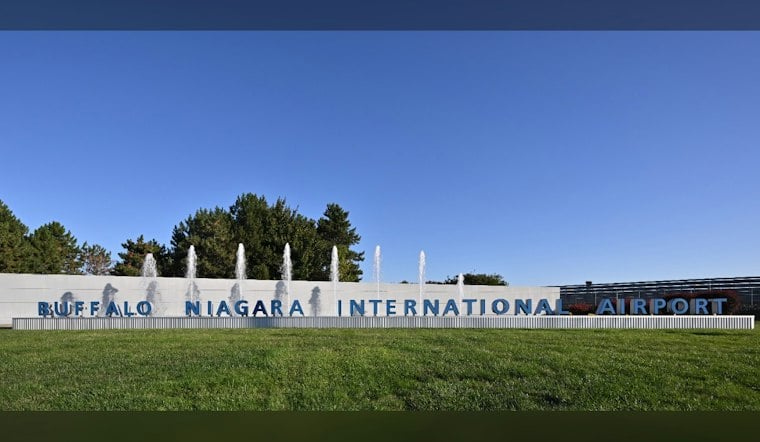
The flooding that triggered the declaration was no ordinary storm. On September 3, Buffalo Niagara International Airport recorded 3.04 inches of rain in a single day, shattering a 148-year-old September 3 rainfall record of 1.79 inches set back in 1878, according to WBLK. Buffalo typically receives less than half an inch of rain in total during the first four days of September, which gives a sense of just how far outside the norm that day fell.
Localized Downpours Overwhelmed Suburban Neighborhoods
The storm hit some communities even harder than the airport gauge suggested. WBLK's report notes that localized totals reached 3.46 inches in Snyder, 3.35 inches in North Buffalo and 3.29 inches in Kenmore, all within just a few hours — dumping flash flooding onto densely populated suburban and urban streets.
Compounding the damage, the September 3 deluge hit a regional wastewater system that was already stretched to capacity from heavy rain the day before. The overload triggered widespread basement sewage backups and raw sewage overflows into the Buffalo and Niagara rivers, the station reported. That combination of combined sewer systems and back-to-back storms is a known vulnerability in older urban centers, where intense rainfall routinely forces sewage back into homeowners' basements.
City Crews Mounted Emergency Cleanup
In the flood's immediate aftermath, the City of Buffalo logged 286 storm-related 311 service calls and organized a special emergency bulk trash pickup to haul ruined household items out of flooded basements, according to the City of Buffalo. Local and county emergency officials also urged affected property owners to submit New York State's Damage Self-Report Survey through the Division of Homeland Security and Emergency Services — a step the city said was essential for aggregating uncompensated losses so the state could pursue federal relief.
That documentation effort helped clear a specific federal bar. To qualify for an SBA physical disaster declaration, federal regulations require at least 25 homes, businesses or combined properties in a single county to have sustained uninsured physical damage equal to 40% or more of their pre-disaster fair market value, a standard Hoodline has covered before in other disaster-declaration cases around the country.
What Homeowners and Businesses Can Borrow
Under the newly opened declaration, eligible homeowners may apply for up to $500,000 to repair their primary residences, per WGRZ's reporting. Homeowners and renters alike can also seek up to $100,000 to repair or replace damaged personal property. Businesses may qualify for loans up to $2 million to replace damaged real estate, inventory, machinery, equipment and other physical assets, and businesses and nonprofits can separately apply for economic injury disaster loans up to $2 million to cover working capital while normal operations resume.
The loans themselves function as direct federal lending rather than grants or commercial bank products. Fixed interest rates start as low as 3% for homeowners and 4% for small businesses without credit available elsewhere, with repayment terms stretching up to 30 years and no interest or payments due for the first 12 months after disbursement, according to the San Antonio Report. Property owners across Erie, Niagara, Genesee, Wyoming, Cattaraugus and Chautauqua counties may apply for these loans.
A Short Window to Apply
Loan applications are available through the SBA's MySBA loan portal, and applicants with questions can reach the agency's customer service center at [email protected] or 1-800-659-2955, per WGRZ. Physical damage loan applications are due December 18, 2026, while economic injury loan applications have until July 19, 2027. That leaves property owners a short window to assess total repair costs, gather contractor estimates and file their paperwork. All loan approvals and amounts remain subject to standard SBA eligibility requirements.
September's storm wasn't an isolated event in New York's 2026 weather pattern. It followed a late-July flash flood in Eastern New York, where two-day rainfall totals of 6.7 inches in Albany triggered widespread municipal emergencies across the Capital Region and Hudson Valley, according to the National Weather Service — part of a summer marked by record-setting precipitation events across multiple regions of the state.



