

























































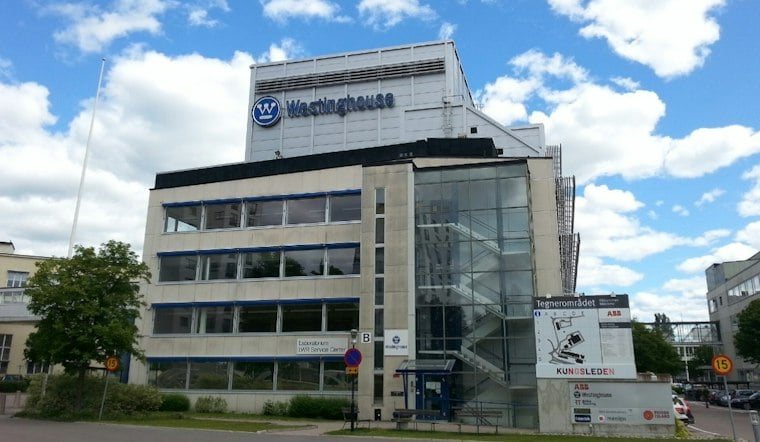
Westinghouse Electric Company is sinking roughly $1 billion into a new nuclear fuel factory at its Columbia Fuel Fabrication Facility in Hopkins, South Carolina, a project the company calls the first fleet-scale nuclear fuel plant built in the United States in more than 50 years. Construction is already underway on the facility, which is designed to produce a next-generation fuel called LEU+ and is expected to begin operations in 2030.
The announcement, detailed in a company release from Westinghouse, frames the new plant as one of the most advanced nuclear fuel factories in the country. It will rise alongside the existing Columbia facility, which Westinghouse says was built in 1968 and currently employs more than 1,200 people in Lower Richland — though the Post and Courier reports the site has operated since 1969, with the same 1,200-person workforce cited. Westinghouse's CEO described the factory as the company's largest single manufacturing investment supporting its operating reactor fleet.
What LEU+ Fuel Actually Does
LEU+ refers to low-enriched uranium with a higher enrichment level of 5% to 8%, according to the company's announcement. That extra enrichment lets reactors run longer between refuelings — 24 months instead of the standard 18 months, per reporting from WIS-TV. The first successful U.S. deployment of LEU+ fuel happened in 2025, and Westinghouse says the fuel is meant to extend operating cycles and help plant operators cut costs.
The Hopkins plant already plays an outsized role in the nation's nuclear supply chain: Westinghouse says South Carolina produces the nuclear fuel that powers roughly 10% of the entire United States. The new LEU+ line is expected to support the long-term operation of the existing nuclear fleet while also backing the industrialization of AP1000 reactors worldwide, the company says.
Jobs, Incentives and an Unanswered Number
Richland County approved a 40-year tax incentive package tied to the expansion, the station's report notes, as part of the county's broader push to land major industrial investment. Westinghouse says it plans to hire additional workers and promote existing employees to staff the new plant, but according to the South Carolina Daily Gazette, the company did not give an exact number of new jobs tied to the project.
That hiring question stands out next to other projects Richland County approved around the same time. Per the Post and Courier, a separate batch of incentive deals — not including Westinghouse — was expected to bring about $95 million in investment and create nearly 300 jobs, including 180 jobs from a $30 million Brose Sitech project in Blythewood and 100 jobs from a $28 million Steelfab investment in Columbia.
The Dollar Figures Behind the Deal
Westinghouse is projecting $4.9 billion in positive economic impact across South Carolina over the next decade, with roughly $3.8 billion of that landing in Richland County through construction, new equipment, jobs and workforce development, according to the company's announcement. In its statement, Westinghouse said it was grateful for the Department of Energy's tax credit program and for support from state and Richland County governments.
Federal regulatory review also looms over the expansion. Documents filed with the Nuclear Regulatory Commission indicate the new 8% enrichment processes will require prior NRC approval of a license-amendment request to the Columbia facility's Special Nuclear Material License under federal regulations.
Fitting Into a Bigger National Push
Westinghouse's move aligns with the federal UPRISE program, which targets a 5 gigawatt increase in U.S. nuclear capacity from the existing reactor fleet by 2029, according to World Nuclear News. The Department of Energy has separately said that building domestic low-enriched uranium capacity is meant to keep the current U.S. reactor fleet supplied from trusted sources while laying groundwork for future advanced-reactor deployments.
Westinghouse began meeting with federal nuclear regulators about the new plant's design as early as 2024, the Daily Gazette reported, well before Wednesday's formal announcement. With construction already moving forward in Hopkins, the next milestone for the project will be commercial-scale LEU+ production, which the company and WIS-TV both place on track for 2030.


