

























































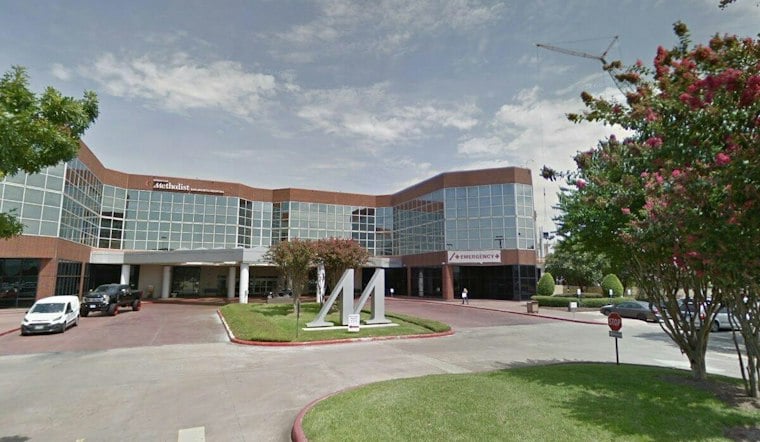
For patients who may qualify for hospital financial assistance, the timing of a financial-aid screen can matter as much as the existence of a program. Federal rules for tax-exempt hospitals address financial-assistance and emergency-care policies, limits on charges, and billing and collections, according to the Internal Revenue Service. Those requirements describe the policies hospitals must maintain; Texas reporting shows that hospitals’ practices for identifying patients can differ.
A policy on paper does not guarantee an early screen
In a Tradeoffs investigation, 44% of Texas nonprofit hospitals said they bill patients before screening them for free or discounted care. Only 10 of 166 hospitals reviewed guaranteed a full refund when a patient was later found eligible for aid. The investigation also found that Memorial Hermann was the only Texas nonprofit system with a written policy requiring hospitals to check and proactively reduce or erase patient balances before sending bills. Houston Methodist told the outlet it screens uninsured patients before billing, though its written policy does not require that practice at any of its eight hospitals.
The statewide figures measure a different thing: Texas nonprofit hospitals reported nearly $15 billion in charity care, community benefits and unreimbursed government-sponsored indigent care in 2024, according to Houston Public Media. That combined total describes reported hospital spending across several categories; it does not show how many individual patients who qualified received assistance.
A Baker Institute analysis of 111 Texas nonprofit hospitals estimated $127 million in bad debt associated with patients who should have received charity care. The estimate was not uniform across hospitals: 32 reported any such bad debt above zero, and reported shares ranged from zero to 84.9% in 2019. These figures describe hospital reporting and do not, by themselves, establish how many patients were eligible or went without help.
Some state laws spell out screening triggers
State approaches offer a useful comparison, though they are not evidence of how Texas patients fare. Colorado’s HB 21-1198 required health-care facilities, beginning June 1, 2022, to screen uninsured patients for public insurance and discounted-care programs, according to the Colorado General Assembly. Oregon’s 2023 HB 3320 set different triggers for hospitals licensed under state law: screening for presumptive financial-assistance eligibility when a patient is uninsured, enrolled in state medical assistance, or owes the hospital more than $500, according to the Oregon Legislative Assembly.
In Texas, the question has reached lawmakers through proposed presumptive-eligibility legislation, Houston Public Media reported. The materials cited here do not establish the proposal’s current legislative status or its details, so the state comparisons should not be read as a description of Texas law.
What a late discovery can mean
Nikki Myles’s experience shows the stakes for one patient. Houston Public Media reported that the Houston-area nonprofit case manager faced a bill exceeding $117,000 after gallbladder surgery and a three-night hospital stay, with an initial payment of $989 due within a month. With help from the nonprofit Dollar For, her balance fell to about $7,000. The report said the debt had caused financial strain and led her to drop master’s-degree courses.
Myles’s case illustrates the difference that learning about assistance can make for an individual; it does not establish how often eligible Texans miss out. The broader findings point to a system in which written aid policies, hospital screening practices and patients’ access to information do not always line up.





