

























































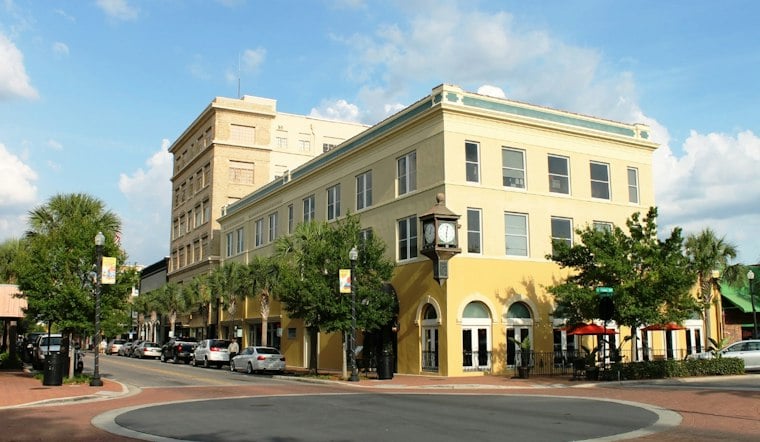
Winter Haven has been named the best snowbird destination in the entire country for the 2026-2027 winter season, edging out hundreds of other warm-weather cities thanks to its chain of lakes, golf courses and relatively affordable housing. Lakeland, its neighbor between Orlando and Tampa, landed right behind it at No. 2, and Lake Wales rounded out the top 10 at No. 10.
Polk County Sweeps the Rankings
The rankings come from a study by StorageCafe, which evaluated 472 warm-weather cities on climate, housing and grocery costs, seasonal housing availability, healthcare, safety, recreation, internet speeds and walkability, according to WFTV. Winter Haven's win comes with nearly half of its vacant homes designated for seasonal use, the station reports, while Lakeland offers access to 38 lakes along with its own mix of golf courses and seasonal housing options. Lake Wales, meanwhile, posts an average monthly rent of about $1,100 and has roughly 43 percent of its vacant housing set aside for seasonal residents, with its own draw of lakes, golf courses and Bok Tower Gardens.
Florida dominated the broader field, placing 63 cities among the national top 100 and claiming six of the top 10 spots overall, per the same report. Behind Winter Haven and Lakeland, the national top 10 included McAllen at No. 3, Mission at No. 4, Vero Beach at No. 5, Hollywood at No. 6, Brownsville at No. 7, Harlingen at No. 8 and Clearwater at No. 9. Vero Beach was singled out as the country's highest-ranked beach community, while other Central Florida cities also cracked the top 100: Haines City came in at No. 14, Kissimmee at No. 18, Auburndale at No. 21 and Orlando at No. 52.
Why Inland Beats the Coast
Texas, not Florida, actually dominates the cheapest tier of snowbird destinations nationwide. A separate StorageCafe analysis found Texas accounted for 14 of the top 15 most affordable snowbird destinations in the country, led by Rio Grande Valley cities McAllen and Mission. Florida's strength lies instead in sheer volume and amenities, with StorageCafe estimating that roughly 40 million retirees and remote workers across colder northern states make up the national pool of people with the flexibility to relocate for winter.
Inland communities like Winter Haven, Lakeland and Lake Wales offer lower housing costs and less exposure to coastal hazards while still staying within driving distance of Florida's beaches and major attractions, the WFTV report notes. That trade-off has become more pronounced as coastal insurance costs and hurricane risk climb. A related StorageCafe finding reported by Michigan Mama News put median home values in Winter Haven and Lakeland under $270,000, roughly a third lower than Florida's top coastal snowbird cities.
A Region Already Booming Year-Round
The snowbird rankings land in a county that's already one of the fastest-growing in the nation. Polk County added 23,400 residents between 2024 and 2025, a 2.7% annual growth rate driven mostly by domestic migration between counties, with about 18,800 net domestic movers, ranking 11th nationwide in numeric population gain, according to USAFacts.
For property owners, the seasonal rental business can be lucrative: short-term rental data platform Rabbu estimated annual revenue for a vacation property in Lakeland at nearly $32,000, as reported by Quartz, giving owners a strong financial incentive to keep units available for seasonal visitors rather than year-round tenants.
The Housing Trade-Off for Year-Round Residents
That incentive structure creates real friction for full-time residents. Hoodline previously reported that roughly half of all vacant residential units in Florida are set aside for seasonal use, meaning official vacancy statistics statewide don't represent housing actually available to year-round residents. Winter Haven's own near-50% seasonal-use share among vacant homes fits that pattern closely.



