

























































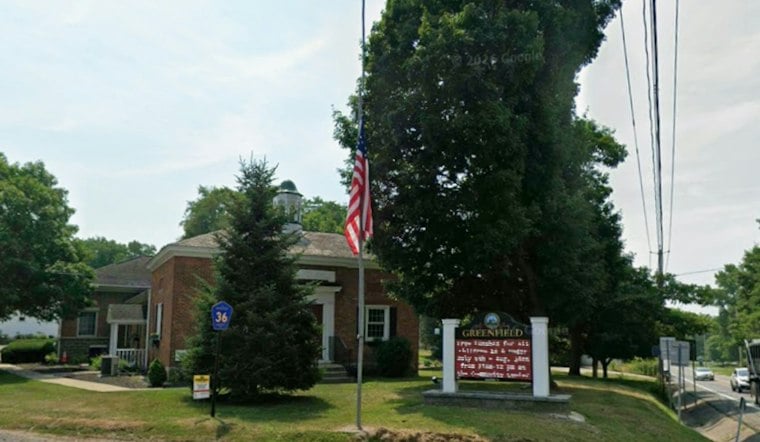
A 128-year-old polo field in Greenfield, New York, is at the center of a fight over density, horses and history after a developer unveiled plans to build 184 apartments on the historic Whitney Polo Grounds. The proposal, called Estates at Saratoga Polo, would also include a dog park, pickleball courts and a clubhouse seating up to 220 people on the 42-acre property, which has not hosted a polo match since 2019.
The developer, Jack Henry Esler, bought the property in 2025 and pitched his plan to the Greenfield planning board in July 2026, according to the Times Union. Esler owns Thirty Year Farm and says he intends to stable his thoroughbred horses at the site and bring in water service from Saratoga Springs. He has described his vision in straightforward terms, saying the plan honors polo's legacy and brings something exciting to the community.
Under the current proposal, the project would place 37 residential buildings and a clubhouse across the 42-acre parcel, with the apartments standing two stories tall. The plan would also shrink the existing 10-acre polo field down to 5 acres, fenced to serve as both a horse paddock and an arena-sized polo space. Esler has said he plans to modify his proposal but still wants to preserve a 5-acre polo field, and he has acknowledged that some approvals granted for an earlier 2005 plan would need modification to accommodate his apartments.
Polo's National Leadership Pushes Back
The site traces back to the Whitney Polo Field, which dates to 1898, and a real estate listing for the 42.79-acre property describes it as having hosted generations of polo matches, according to Carrow Real Estate Services. That history is exactly what has polo's national leadership alarmed. Leighton S. Jordan, president of the United States Polo Association, wrote on October 12 that the proposal would not result in a sustainable polo operation, and said the proposed 5-acre grass field is too small for outdoor polo and lacks the required safety margins.
Jordan's letter also drew a distinction between the sport played on grass and the version played in a confined arena, noting that arena polo is played within an area surrounded by solid, high walls and is not played on grass. Former polo players and others raised a related concern, per the Times Union account: a polo field, they said, cannot simply double as a pasture. Critics have also pointed to a lack of space in the plan for horse trailers, large-vehicle parking and tack rooms.
Will Orthwein, who operates a polo-centered horse farm, wrote on October 14 that the proposed polo operation would not preserve either the Whitney field or the Saratoga Polo Club. Orthwein had favored an earlier 2005 redevelopment plan for the same property. George Dupont, chief operating officer of the Polo Museum and Hall of Fame in Florida, said he has no opinion on the overall project but noted that arena polo is usually played on sand, though it can be played on grass. Dupont added that he would bring his Hall of Fame Challenge Cup to Greenfield if the Whitney field reopened.
Neighbors Worry About Density and Traffic
Residents and polo enthusiasts have submitted more than 20 letters to the town planning board raising concerns about density and preserving the polo field. Robin Ambrosio told the board on October 13 that 184 units is dense for an area zoned for 2-acre lots. Amy Dowd said she is concerned the proposal could turn Bloomfield, Denton and Daniels roads into a speedway.
The property is not new to redevelopment fights. Greenfield approved a planned unit development district for the grounds back in 2005, a zoning tool that allows a developer to override standard zoning laws if a community benefit is provided. New York's town law authorizes municipal legislative bodies to establish such procedures for planned unit development districts, according to an excerpt of New York Town Law Section 261-c, though that statute alone does not spell out the specific approvals tied to this particular project.
That 2005 plan, pitched by Michael Bucci and James Rossi, proposed five three-story buildings with timeshares and included 284,000 square feet of proposed construction. The Carrow Real Estate Services listing for the property separately describes it as approved for up to 284,000 square feet of mixed-use development, with existing gas, electric, well and septic infrastructure already in place. A report from the Albany Business Journal described the owners' vision as including the development of residences, an event space and other amenities.
State Preservation Office Weighs In
One regulatory hurdle appears to have been cleared, at least conditionally. The New York State Office of Parks, Recreation and Historic Preservation said in an August letter that the project would have no adverse impact on historic resources, provided historical interpretive signage or another display is installed on the site. That finding leaves the broader fight over density, traffic and the future of polo in Greenfield squarely in the hands of the town planning board, where the public comment process continues to draw scrutiny from both neighbors and the sport's national leadership.





