

























































Sandra Lee Smiscon was asleep beneath the Yesler Way overpass on Fourth Avenue near Seattle City Hall when a man standing above fired down at her and a male companion at about 3:30 a.m. on July 12, 2003. She was struck in the abdomen and later died at Harborview Medical Center; she was 45. Twenty-three years later, her son is still asking Seattle police to find out who killed her.
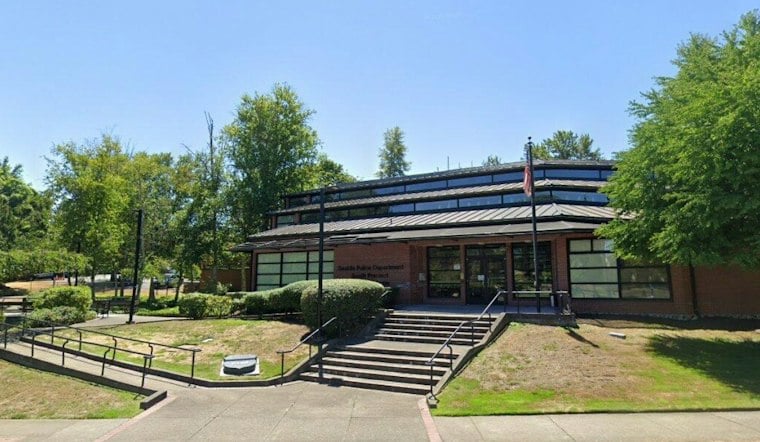
George Lee Jr., now 44, traveled to Seattle on Wednesday, according to The Seattle Times. He went to the Police Department's South Precinct and demanded that the department request help from state investigators, the newspaper reports. Lee is seeking answers in his mother's killing.
Smiscon's companion that night was shot in the leg and was treated and released, while police at the time said they believed the shooter was a man in his 30s or 40s who stood atop the overpass. Officials said then that they did not know why he fired or whether Smiscon was his intended target — a question the record never resolved, per the same account.
Remembering Smiscon
Smiscon was a member of the Yakama Nation.
Lee was stationed in England with the U.S. Air Force when he learned his mother had been killed.
Lee is seeking answers in his mother's killing.
A Pattern the City Has Tried, and Struggled, to Address
Smiscon's case is not isolated. A separate analysis by the Yakima Herald-Republic, drawing on an Urban Indian Health Institute report, counted Smiscon among 506 missing and murdered Indigenous women and girls identified across 71 urban areas nationwide.
In response, the Seattle City Council approved a 2019 resolution directing city departments to address violence and disappearances among Native people, including instructions for police to work with the Seattle Indian Health Board on data collection and officer training. Abigail Echo-Hawk said in 2024 that she was tired of serving on committees while people died.
A Seattle police spokesperson said this week that the department could not respond to questions about the case. Washington's Missing and Murdered Indigenous Women and People Cold Case Unit was established to help solve missing-person and cold-homicide cases involving Indigenous people.
A State Unit for Indigenous Cold Cases
Washington established the cold case unit in 2023 to help solve missing-person and cold-homicide cases involving Indigenous people, according to the Washington State Office of the Attorney General. The office has said Indigenous people represent 5 percent of unresolved homicide victims in the state despite making up less than 2 percent of its population.
A separate case out of the Yakama Nation Reservation shows what resolution can look like. Alillia Minthorn, 25, was found fatally shot in a remote area of the reservation in 2019; a Wapato man was later convicted in her killing and received a life sentence in federal prison.
For Lee, now a year younger than his mother was when she died, the comparison is hard to escape: one case moved through courts to conviction, while his mother's has sat for 23 years without that same push. He has demanded that Seattle police formally request help from the state's cold case unit.




